Mexico’s urban poverty line hit 4,809 pesos in November, rising faster than inflation as meals out, beef and milk drive food costs.
Mexico’s urban poverty line quietly moved again in November, but this time the shift was hard to ignore. The official threshold for covering a basic basket of food and essential services in cities climbed to 4,809.10 pesos per person, its highest level on record and the seventeenth consecutive monthly increase. That means city dwellers now need roughly 160 pesos a day just to stay above urban income poverty, even before thinking about rent, debts or any unexpected expense.
According to the latest figures from the national statistics agency, the urban poverty line rose one percent in November alone, while overall inflation increased 0.7 percent. On a yearly basis, the urban line is now growing slightly faster than the general inflation rate. The data echo what many households already feel at the checkout counter: for families that live on the edge, the cost of staying out of poverty is rising a little faster each month than the prices in the wider economy.
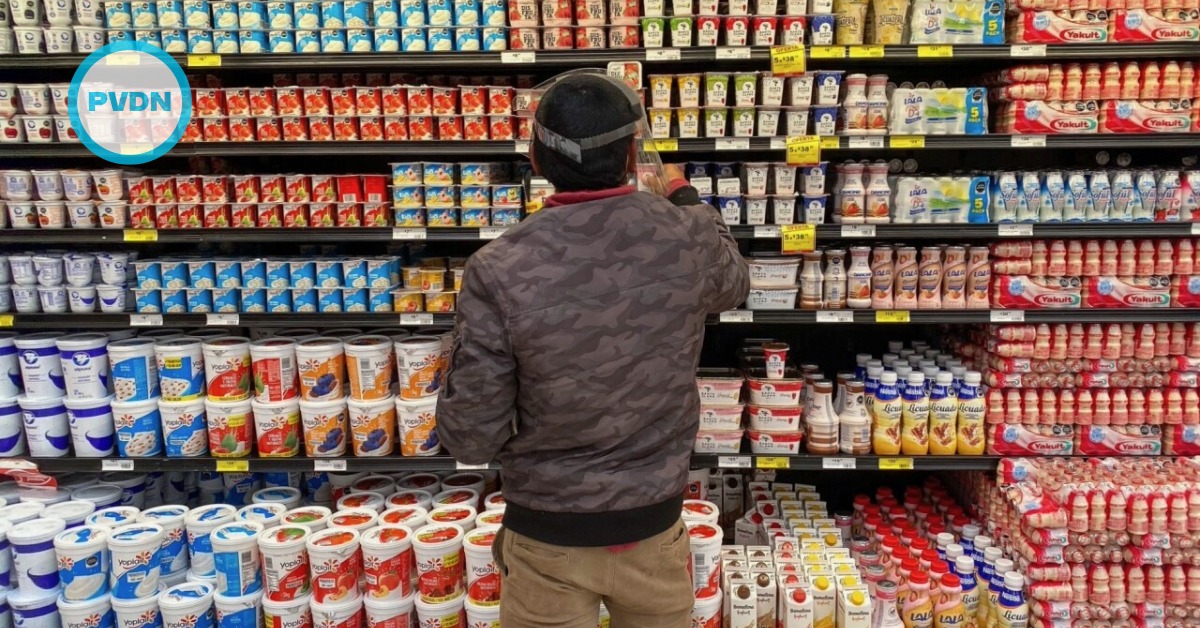
The numbers also point to a clear driver. Inside the official food basket, three items now stand out in cities: meals eaten out, beef steak and milk. Over the past year, the price of meals consumed away from home rose 7.6 percent, beef steak jumped 18.8 percent and pasteurized cow’s milk climbed 8.9 percent. Together they explain more than half of the annual increase in the cost of the urban food basket.
In the matrix that underpins the extreme food poverty line, those categories also carry heavy weight in pesos. Monthly spending on meals eaten out now reaches about 760.81 pesos per person, compared with 156.13 pesos for milk and 127.91 pesos for beef steak. When those specific foods become more expensive, the floor that defines how much income a person needs to eat properly rises with them.
Behind those dry figures is the way poor and near-poor families eat in the city. The urban basket still assumes tortillas, beans, eggs and vegetables prepared at home. But it also reflects the reality of long commutes, split shifts and informal jobs, which push people toward a cheap plate at the market, a lunch menu near the workplace or tacos on the street. When those prepared meals go up in price, the entire poverty line moves higher, even if other prices stay relatively stable.
Urban income poverty keeps climbing
The November update confirms a trend that began in mid-2024: urban income poverty in Mexico has increased every single month since June of that year. Over those seventeen months, the poverty line in cities has risen from 4,485.56 pesos to 4,809.10 pesos per person. On paper that may look like a gradual change, but for workers earning close to the minimum wage it opens a growing gap between what they earn and what they are expected to spend just to meet the basic standard.
Rural Mexico tells a different story. The rural income poverty line also increased in November, reaching 3,447.63 pesos per person, yet its pace has been slower and more uneven. In the countryside, the food basket still drives most of the rise, but the annual increase in the rural extreme-poverty food line remains below overall inflation. That contrast means the cost of avoiding income poverty is tightening faster in cities than in rural communities, even though the starting point in urban areas was already higher.
The same pattern appears in the lines that measure extreme poverty by income, which only take into account the cost of the food basket. In November, that minimum food line stood at 2,462.71 pesos per person in urban areas and 1,854.63 pesos in rural zones. In both cases, food prices have risen, but in cities the increase has been strong enough to outpace the headline inflation rate and to pull the extreme-poverty threshold further away from what many low-paid workers take home.
What the new poverty line means on the ground
These lines do not, by themselves, count how many people are poor. They are monetary thresholds used to decide whether a person’s income is enough to cover both the food basket and a basic non-food basket that includes transport, school supplies, hygiene products and other essential services. For full multidimensional poverty measurements, those income lines are combined with indicators such as access to education, health services and adequate housing.
Even with recent progress in reducing poverty when measured across several dimensions, the rising monthly cost of the urban baskets is a warning sign. If wages and cash transfers fail to keep up with a poverty line that moves one percent in a single month, more households risk sliding back below that threshold or staying trapped just above it, with no margin for shocks like job loss, illness or a rent hike. For informal workers whose incomes fluctuate from week to week, the pressure is even stronger.
The November figures also arrive in the middle of a period of moderate but persistent inflation. Overall consumer prices are no longer growing at the rates seen just after the pandemic, yet basic foods and services that matter most for low-income households remain under pressure. When a budget already stretched by rent, public transport and school costs has to absorb higher prices for a simple steak or a glass of milk, families often have to reshuffle their entire spending pattern.
For public policy, the new numbers leave little room to relax. The fact that the urban poverty line has risen faster than inflation for seventeen straight months suggests that the basic reference used to design anti-poverty programmes is moving away from the income of many households in the country’s largest cities. Keeping track of that gap, and closing it through better wages and targeted support, will be key to making sure that an ordinary meal, a piece of meat and a litre of milk do not become unaffordable luxuries.