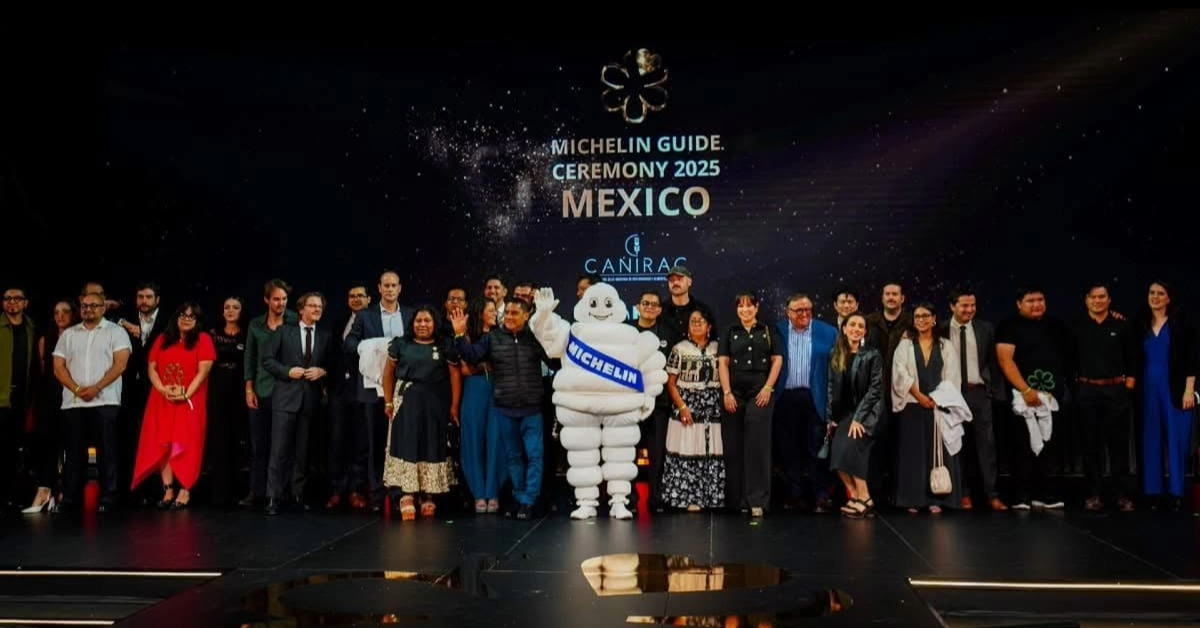
Mexico’s restaurant scene is getting another international push, but the latest Michelin Guide expansion is not just about stars. The 2026 edition adds Jalisco, Yucatán, and Puebla, three states with strong culinary identities and established tourism appeal. The move also shows how gastronomy is becoming part of Mexico’s broader travel strategy, linking restaurants, hotels, regional ingredients, and visitor spending into one larger pitch.
Michelin Guide widens its Mexico map
The Michelin Guide Mexico is expanding again, adding Jalisco, Yucatán, and Puebla to its 2026 selection. The move gives three more states a place in one of the world’s best-known restaurant guides.
The expansion does not mean every restaurant in those states will receive recognition. It means Michelin inspectors can now evaluate restaurants there for possible inclusion in the guide. That can include stars, Bib Gourmand listings, recommended restaurants, and other distinctions.
For Mexico, the change is part of a broader effort to position gastronomy tourism as more than a side attraction. Food is increasingly being used to promote destinations, support local businesses, and encourage travelers to spend more time beyond beaches and historic centers.
Why some states are included before others
Michelin’s presence in a destination depends on more than good food. The guide’s expansion also involves tourism infrastructure, hotel capacity, transportation access, and local coordination.
That helps explain why some Mexican states are in the guide while others are not yet included. A state can have an important food culture and still fall outside the current inspection map.
When the guide launched in Mexico in 2024, it covered Mexico City, Oaxaca, Baja California, Baja California Sur, Quintana Roo, and Nuevo León. The 2026 expansion adds three more states, bringing new attention to regional kitchens with strong national identities.
Jalisco brings a mix of coastal dining, tequila country, markets, birria, seafood, and urban restaurant scenes. Puebla has a deep culinary record tied to mole, chiles en nogada, and convent cooking. Yucatán adds a cuisine shaped by Maya traditions, local ingredients, and a strong regional identity.
Food becomes part of Mexico’s travel pitch
The expansion comes as Mexico’s tourism sector is placing more attention on food as a reason to travel. That strategy has been visible in national tourism events, restaurant-sector campaigns, and state-level promotion.
The point is not only to recognize chefs. It is also to connect restaurants with hotels, producers, markets, wineries, distilleries, and traditional cooks.
For travelers, this can make a trip feel more rooted in place. For destinations, it can help shift attention from quick visits to longer stays and higher local spending.
This is especially relevant for expats and repeat visitors in Mexico. Many already know the major destinations. A stronger food map can give them new reasons to visit nearby regions, plan weekend trips, or look beyond the usual tourist route.
What Jalisco gains from the expansion
Jalisco’s inclusion is notable for Puerto Vallarta and the wider state. Guadalajara has a large restaurant market, while Puerto Vallarta has spent years building its food reputation through chef-led restaurants, festivals, and hotel dining.
The Michelin Guide also announced that Jalisco will host the 2026 Mexico ceremony on May 20. That gives the state another chance to present its food scene to national and international audiences.
For Puerto Vallarta, the effect may be indirect at first. The guide’s attention could strengthen Jalisco’s broader culinary brand, even if the first wave of recognition centers on Guadalajara or other parts of the state.
Still, the timing works in Vallarta’s favor. The city already has restaurant events, coastal cuisine, boutique hotels, and a foreign resident community that supports local dining year-round. Those factors fit the kind of ecosystem that turns food into a travel driver.
Michelin attention can change travel behavior
Michelin recognition can influence how some travelers choose hotels, restaurants, and destinations. Diners who follow the guide often plan reservations before booking other parts of a trip.
That matters for Mexico because food tourism reaches beyond luxury dining. It can support casual restaurants, markets, traditional cooks, and local suppliers when promoted carefully.
The challenge is balance. A stronger international profile can bring money and attention, but it can also raise prices and pressure local food traditions. Tourism officials and restaurant leaders will need to show that recognition can support local communities, not just high-end dining rooms.
The expansion into Jalisco, Yucatán, and Puebla shows where Mexico’s tourism strategy is heading. The country is not only selling beaches, resorts, and monuments. It is also selling the table as a reason to travel.