Three one-ton containers filled with used batteries were abandoned on a roadside outside Ramos Arizpe. City officials say the dump threatens soil and groundwater and are offering a cash reward for tips that identify those responsible. Surveillance footage is being reviewed, and a criminal complaint is coming. Why do “ordinary” batteries still trigger an environmental alarm? Mexican law classifies many spent cells as hazardous waste, and mixed streams can include lithium-ion units that pose a fire risk. Here’s what happened, why it matters locally, and what residents should watch for next.
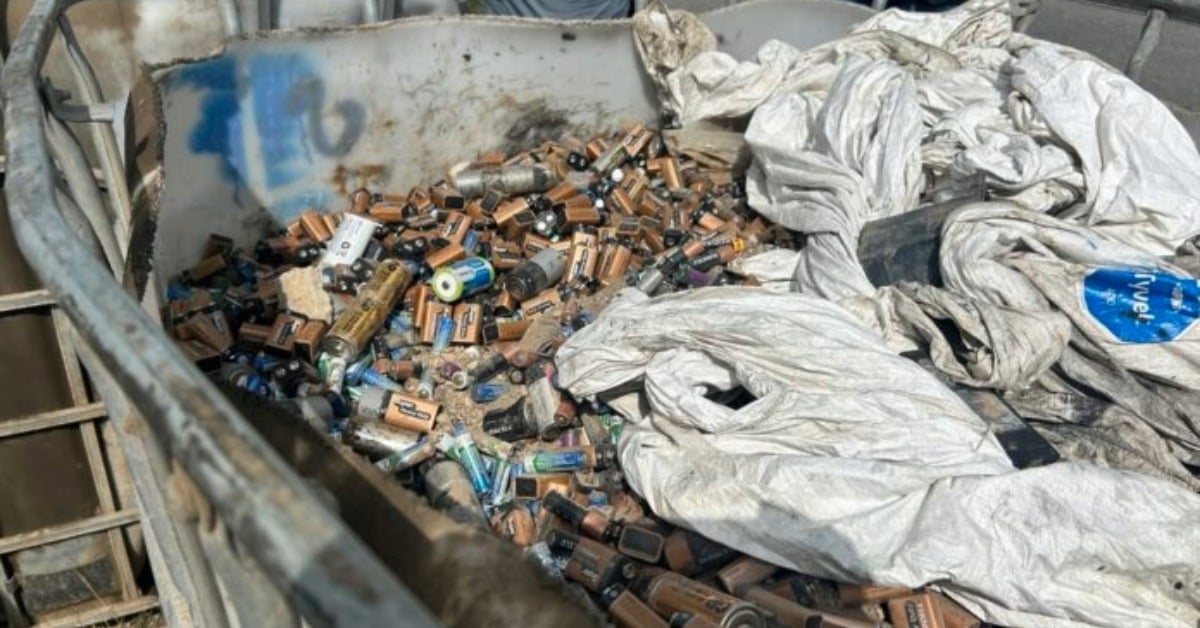
The Coahuila government and the municipality of Ramos Arizpe are offering a cash reward to help identify those who abandoned three industrial containers of used batteries along the road to the Cañada Ancha ejido. City officials called the dump an attack on the local environment and said a criminal complaint will be filed. Municipal crews and Civil Protection secured the site while specialists arranged transfer to a licensed facility.
Hazardous battery containers
Authorities described the contents as used alkaline batteries totaling roughly three tons. Even when labeled “alkaline,” mixed battery waste can contain heavy metals and other toxins that contaminate soil and groundwater if not handled correctly. That’s why federal rules treat many spent cells as hazardous and require generators to use authorized handlers and document disposal.
A roadside dump that alarms a factory city
Ramos Arizpe anchors one of northern Mexico’s busiest industrial corridors. Any improper disposal near neighborhoods or drainage channels risks leaching into soils that feed the Saltillo valley’s aquifers. The mayor urged residents, watchmen, and trucking crews to report anything suspicious. He asked anyone who recognizes the specific drums or the vehicles that moved them to contact the municipal ecology office. The city said security cameras along the corridor will be reviewed as part of the investigation.
What the law requires
Under Mexico’s hazardous-waste framework, waste becomes “peligroso” if it exhibits corrosive, reactive, explosive, toxic, flammable, or bio-infectious traits, or if it contains listed poisonous constituents. Spent batteries frequently meet those thresholds. The law places the burden on those who generate or handle waste to ensure proper transport and final treatment by authorized firms. Skipping those steps—by dumping or hiring unlicensed haulers—invites fines, seizures, and criminal liability.
Why “just batteries” still carry risk
People often assume household batteries are harmless. They aren’t. Many spent cells carry toxic metals and electrolytes that migrate in wet soils. Mixed battery loads can also include lithium-ion packs from tools, toys, or scooters. Those cells can short, heat up, and ignite if crushed, punctured, or poorly stored, turning a roadside dump or transfer truck into a fire scene. That is why municipalities like Ramos Arizpe run battery collection campaigns and contract specialized firms for removal.
What happens next
City officials said they will review camera footage, take witness statements, and coordinate with PROFEPA and state authorities. A specialized waste company will transport and secure the containers. If investigators trace the drums to a plant or broker, the responsible parties could face sanctions and restitution. Residents can help by reporting suspicious dumping and by using official collection points for small batteries from homes and workshops.
[vd_follow taxonomy=”post_tag” term_slug=”environmental” label_follow=”Follow Environmental News” label_unfollow=”Following”]