President Claudia Sheinbaum says Mexico is moving to contain a new round of price pressure before it spreads deeper into daily life. The immediate trigger is rising oil costs abroad. But the bigger question for households is simpler: can the government really keep gasoline, diesel, and basic foods from getting noticeably more expensive in the weeks ahead?
Why the government is moving now
President Claudia Sheinbaum said Monday that her government is stepping in because a fresh rise in global energy prices is already pushing up transport and food costs. The latest pressure comes as oil prices react to tensions in the Middle East and to disruptions in the Strait of Hormuz, one of the world’s key energy routes.
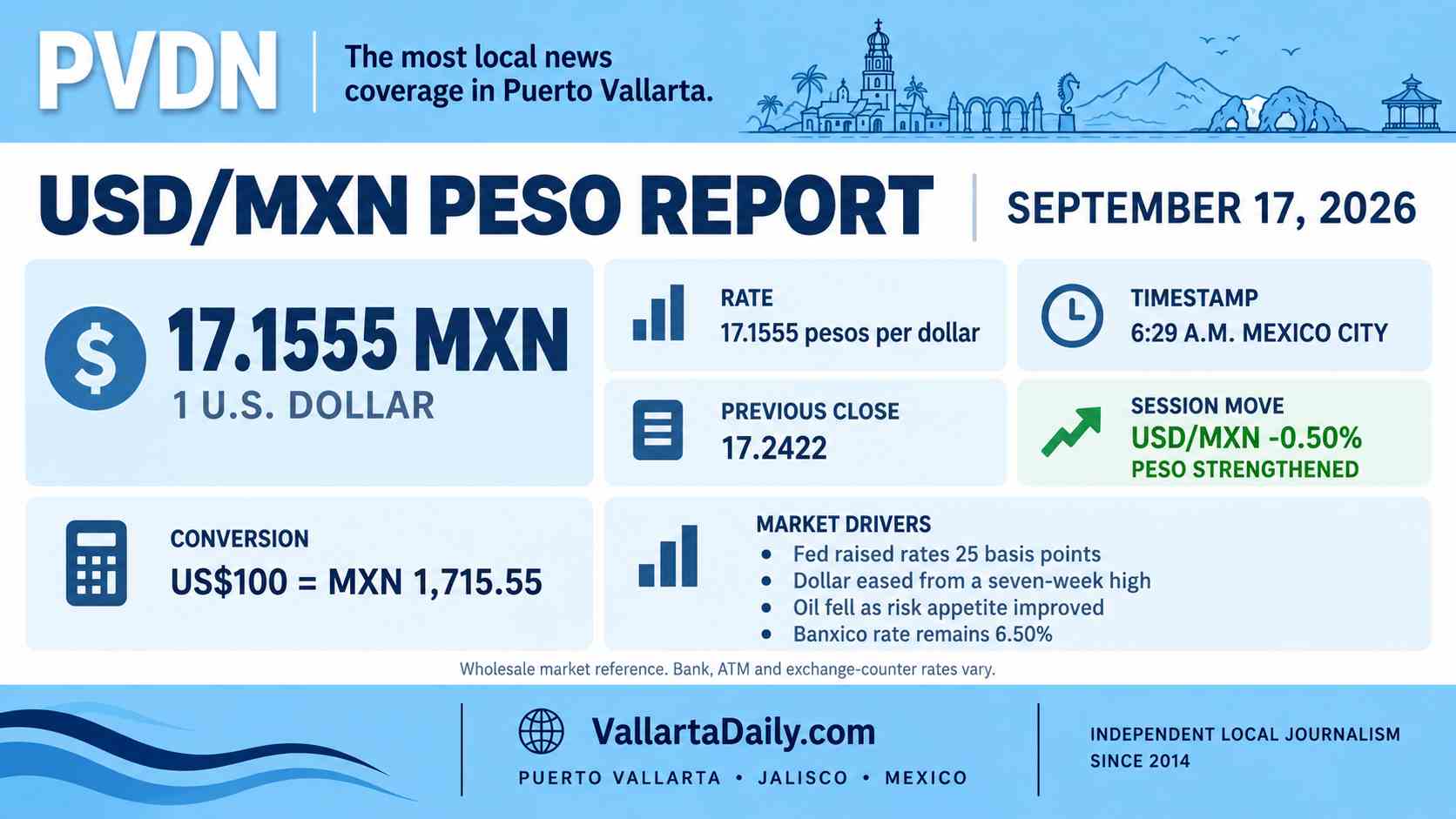
That matters in Mexico even though the country produces oil and refines part of what it uses. Fuel prices still move with international markets. Sheinbaum said that without the federal support now in effect, regular gasoline would be above 30 pesos a liter and diesel above 32 pesos. Her message was direct. The government wants to stop the shock from spreading from fuel pumps into trucking, groceries, restaurant menus, and everyday services.
For readers in Mexico, this is not only about drivers. Diesel is central to freight. When diesel prices rise, the effect often extends to supermarkets, corner stores, package deliveries, and public transport. A fuel shock can spread quickly through the economy, even when families do not own a car.
How the fuel part of the plan works
The fuel side of the strategy relies on two levers. The first is fiscal support. Sheinbaum said the government is absorbing part of the increase by cutting back taxes that normally apply to fuel. In practical terms, that helps keep Magna gasoline near the 24-peso mark that officials have defended for months.
The second lever is enforcement pressure. Profeco is now escalating its public campaign against stations that sell fuel at prices officials describe as unjustifiably high. The agency said it will post warning banners at gas stations that charge too much for regular gasoline or diesel. The aim is to steer consumers away from the most expensive sellers and pressure brands to fall back in line.
There is also a separate push on diesel, which has become the more difficult problem. Sheinbaum said the earlier understanding was that diesel should stay around 28.28 pesos per liter, though some stations were still charging near 30 pesos. Profeco now says it wants an agreement this week to stabilize diesel at 28 pesos at the pump. Recent official monitoring helps explain why this matters. Nationally, regular gasoline averaged 23.69 pesos per liter, while diesel averaged 28.75 pesos in the latest federal comparison period. That means diesel is already pressing above the political comfort zone.
Why food prices are part of the same story
The food side of the plan runs through PACIC, the federal anti-inflation pact that brings together producers, retailers, and the government. PACIC is not a full price freeze across the economy. It is a negotiated effort to keep a defined basic food basket from rising too fast.
That distinction matters. Mexico can lean on large companies that signed the pact, but it cannot fully command prices across every market stall, regional wholesaler, or neighborhood store. Even so, PACIC still matters because it shapes expectations. If the main chains and major suppliers hold the line, the government hopes the broader market will not jump as aggressively.
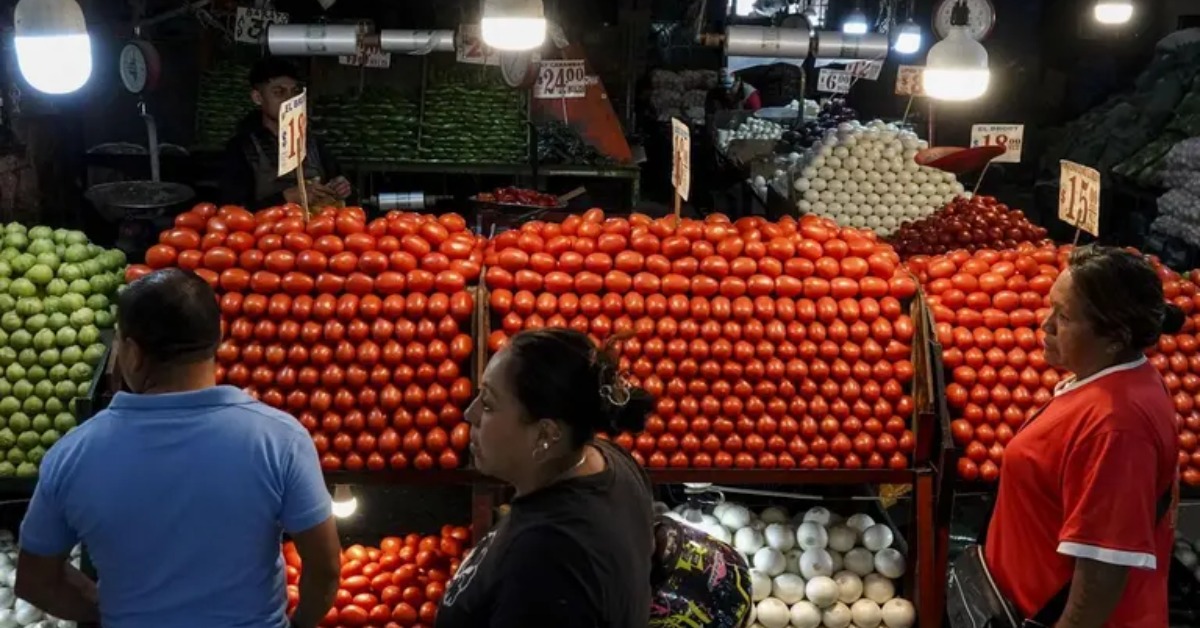
Sheinbaum said she will meet with PACIC participants this week and add producers to the talks. She pointed to recent increases in items such as tomatoes and beef. She argued that part of the increase reflects real disruptions, including weather damage and higher transport costs, but said intermediaries and commercializers can also take advantage of tight markets. The political message is that temporary scarcity should not serve as an excuse for broader markups.
What PACIC can and cannot do
For international readers, PACIC is best understood as a negotiated inflation brake, not a hard legal cap on every product. The agreement was renewed late last year with major producers and supermarket chains to keep the basket at 910 pesos for six months. More recently, official monitoring showed the average PACIC basket still below that ceiling.
That gives the government a starting point, but not a guarantee. The challenge now is that inflation pressure is widening again. Official data for March showed annual inflation at 4.59 percent. The most volatile part of the index is where the stress is clearest. Fruits and vegetables rose sharply on a monthly basis, while energy also moved higher. Tomatoes were among the products with the strongest upward impact.
This helps explain why the government is treating fuel and food as the same problem. A rise in oil prices does not stay at the pump. It feeds trucking, refrigeration, distribution, and logistics. When combined with weather shocks and supply bottlenecks, it can push households into feeling inflation much faster than headline numbers suggest.
What this means for households in Mexico
For households, the plan is designed to buy time. If it works, the government may slow the next round of increases before they become routine. That would matter most for families already dealing with higher grocery bills and tight budgets. It would also matter to retirees and foreign residents who may not follow Mexican inflation policy closely but still feel it in restaurant prices, deliveries, taxi fares, supermarket totals, and utility-related services.
The main uncertainty is durability. Mexico can cushion an external shock, but it cannot fully cancel one. Fuel tax relief costs public money. Profeco pressure can expose expensive stations, but it does not change international crude prices. PACIC can steady part of the basic basket, but many foods people buy every week sit outside that basket or move through supply chains that are harder to police.
So the coming days will be important. The market will watch whether the government gets a firmer diesel agreement, whether PACIC companies renew visible commitments, and whether the public warnings at gas stations actually change pump prices. For now, Sheinbaum’s message is clear: the administration wants to keep a global energy shock from becoming a broader household affordability problem in Mexico.