Tianguis Turístico 2026 is shaping up to be more than a standard tourism industry gathering. This year, gastronomy is being pushed much closer to the center of the sales pitch. Restaurant industry leaders say the goal is to give Mexican cuisine a far more visible role in how destinations present themselves, not as decoration around tourism, but as one of the main reasons people choose where to go.
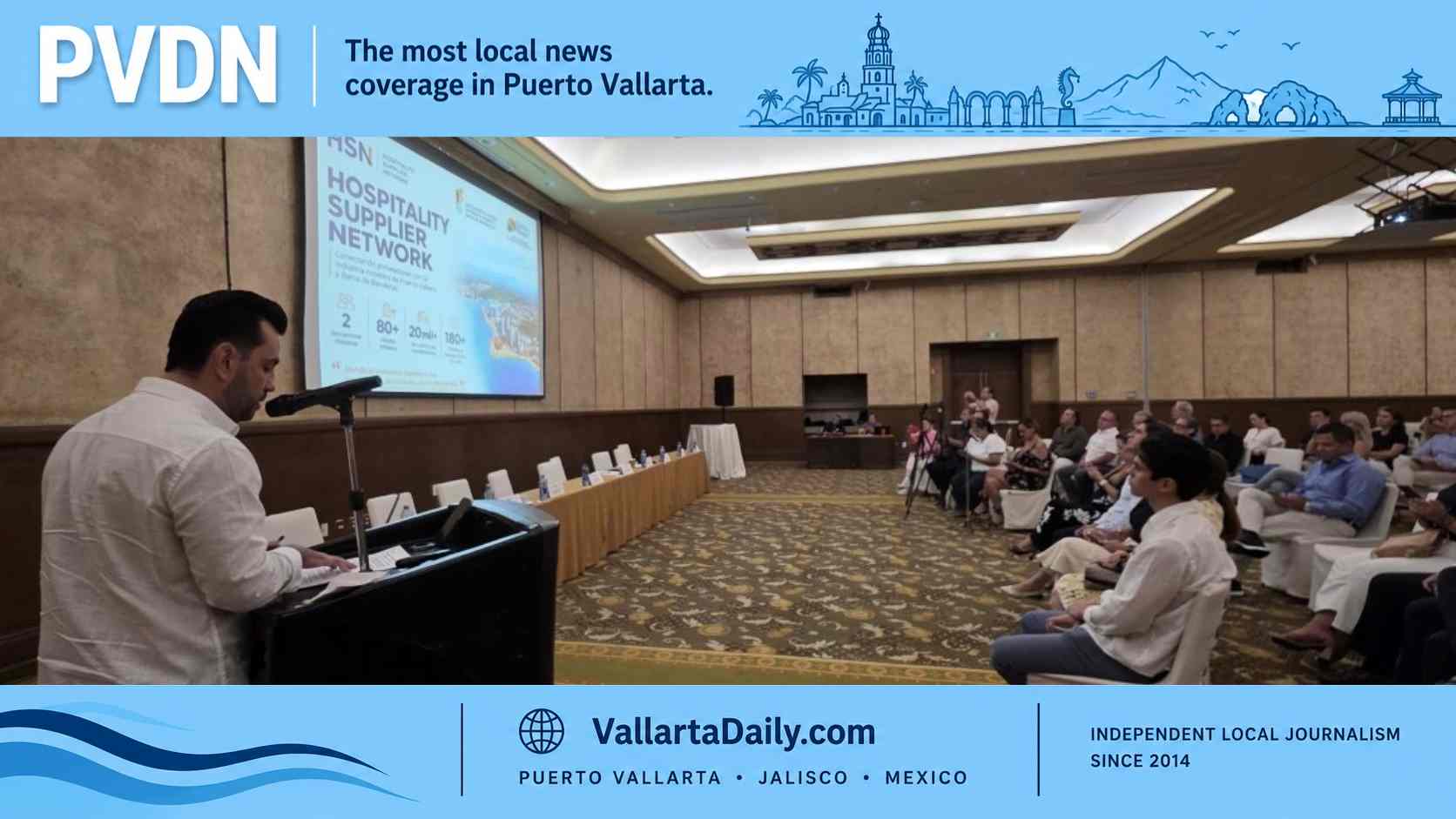
That shift will be visible inside the event and around it. CANIRAC, the national restaurant chamber, expects about 30 confirmed state delegates and presidents to participate in the gastronomic push. The plan is to make sure visitors, buyers, and tourism professionals see food as part of the identity, economy, and travel appeal of each region. In practical terms, that means stronger culinary promotion in state stands, more visible food experiences, and a clearer effort to package local products, regional dishes, and beverage routes as tourism assets.
Why this matters beyond Acapulco
For international readers, it helps to understand what Tianguis Turístico actually is. It is not simply a consumer travel expo. It is Mexico’s main tourism trade fair, where states, hotel groups, tour operators, airlines, buyers, and officials meet to market destinations and close business. The 2026 edition will run from April 27 to April 30 at Expo Mundo Imperial in Acapulco, and it arrives with added symbolism because it is the event’s 50th edition and a return to the city where the fair began.
That matters because whatever gets emphasized at Tianguis often reflects where Mexico wants its tourism story to go next. For years, the strongest pitch was often beaches, resort zones, and large destination brands. Those remain central, but the new message is broader. Officials and industry groups want visitors to travel through regional identity, traditional cooking, wine, craft beverages, and place-based food culture. In other words, they are trying to sell Mexico not only as a place to stay but also as a place to taste.
Food is being treated as travel infrastructure
This new emphasis did not appear overnight. Mexican cuisine already carries deep cultural weight, including international recognition tied to its traditional forms. But tourism officials are now speaking about food in more commercial and strategic terms. In recent months, federal tourism authorities and CANIRAC have framed gastronomy as a national tourism asset that connects restaurants, producers, traditional cooks, and local supply chains. They have also tied that message to newer market signals, including the growing influence of the Michelin Guide in Mexico and preparations for the 2026 World Cup.
That is a useful lens for understanding the Tianguis story. When tourism leaders say food can be a reason to travel, they are talking about more than fine dining. They are talking about routes, reservations, local spending, and longer stays. Mexico welcomed 98.2 million international visitors in 2025, according to federal figures, and tourism planners are clearly looking for ways to convert that scale into deeper spending across more places. Food is one of the easiest ways to do that because it cuts across every trip budget. A luxury traveler may book based on Michelin recognition. A budget traveler may build a trip around markets, regional dishes, or a wine valley. Both are still choosing a destination through food.
What visitors and buyers are expected to see
At the event itself, the food strategy will likely appear in several layers. Organizers already list a Zona Gastronómica as part of the fair, and restaurant leaders say the culinary message will also be woven into the state pavilions. The idea is that each state should be able to present a food story that helps explain why a traveler would go there. In some cases, that means showcasing signature dishes or traditional cooks. In others, it means promoting enotourism and pairing experiences that link vineyards, restaurants, and nearby destinations.
That is where states such as Coahuila, Guanajuato, and Querétaro come into focus. They are expected to highlight wine routes and related culinary experiences as deliberate travel products. Other food showcases are expected from Guerrero, the host state, as well as Baja California, Puebla, and Veracruz. Veracruz’s participation is especially notable because it is expected to include traditional cooks, which gives the food message more depth. It suggests this is not only about polished restaurant branding, but also about cultural continuity and regional identity.
Acapulco is part of the story too
The setting matters. Acapulco is not just hosting the 2026 Tianguis. It is also being asked to embody a broader message about renewal, resilience, and national tourism confidence. The return of the fair to its original home gives the event extra political and symbolic weight. That alone would make this year’s edition important. Adding a stronger gastronomic angle gives organizers another way to broaden the conversation beyond recovery to reinvention.
There are also signs that the program will extend some of that energy beyond the trade floor. Local reporting on the Tianguis buildup says there will be a public-facing Ventana México space in Acapulco ahead of the main event, with the states presenting crafts, gastronomy, and tourism packages. It also points to a Festival del Taco in Taxco as part of the broader 50th edition activities. That matters because it turns gastronomy from a buyer-facing talking point into something more visible to the public.
What expat readers should watch for
For readers living in Mexico, this is one of those tourism stories that can quietly signal future travel trends. When states begin to package food routes, wine regions, traditional kitchens, and local producers more aggressively, it often leads to more short-break travel ideas, more themed weekends, and more destination marketing built around culture rather than just beach infrastructure. It can also make lesser-known regions easier to understand for foreigners who are still learning the country through weekend trips and domestic travel.
The larger question is whether the industry can turn that message into something durable. A stronger food pitch at Tianguis is one thing. Another is turning it into bookable routes, bilingual visitor information, better local distribution, and real gains for small operators. Still, the direction is clear. Tianguis Turístico 2026 is treating gastronomy as part of Mexico’s tourism infrastructure, not just its image. If that approach sticks, the country may start measuring tourism success not only by arrivals but also by how deeply visitors immerse themselves in its regional food cultures.