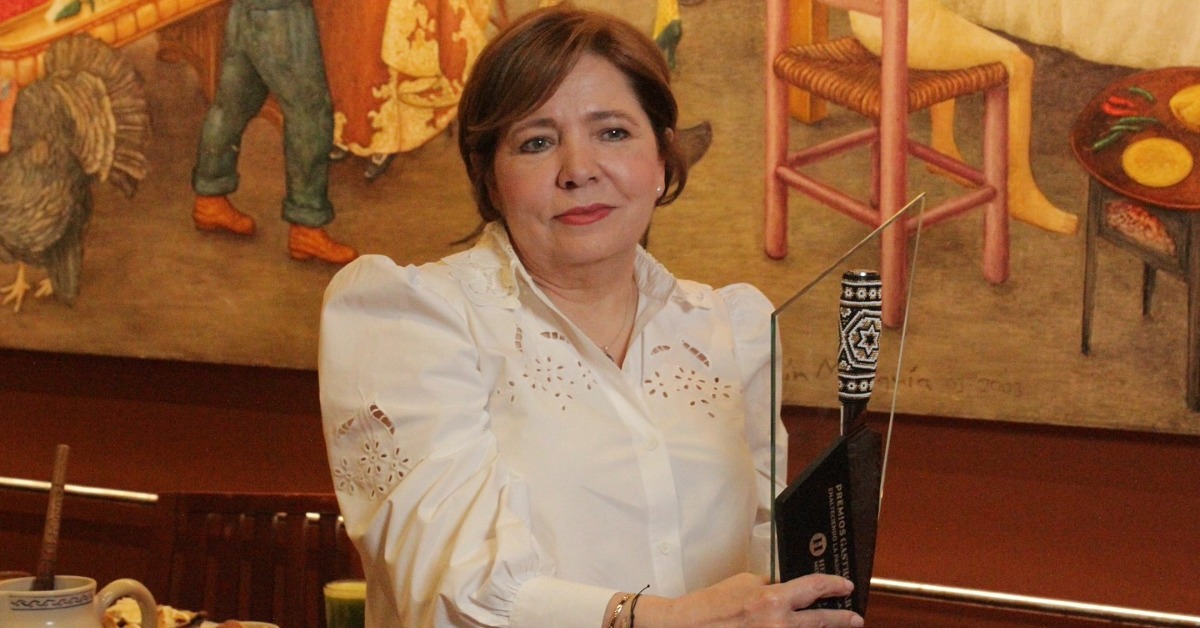
A shift inside one of Mexico’s oldest cultural institutions is giving Mexican gastronomy a more formal place in the country’s public cultural life. The change centers on Marcela Briz Garizurieta, an academic and restaurateur linked to El Cardenal, who says the Seminario de Cultura Mexicana is finally recognizing gastronomy as more than cuisine alone. In practical terms, that means food traditions are being treated with greater seriousness inside a body historically associated with the sciences, arts, and humanities.
That matters because Mexican gastronomy has long carried a dual identity. It is part of daily life and tourism, but it is also a system of memory, technique, agriculture, ritual, and regional knowledge. For international readers, that context is important. In Mexico, food is not usually framed only as a consumer experience. It is often understood as a living expression of family history, Indigenous knowledge, local economies, and community belonging.
More than food on the table
The Seminario de Cultura Mexicana was created to promote knowledge and cultural diffusion across the country. Its role has traditionally gone beyond academic discussion in Mexico City. It also works through lectures, outreach, publications, and activities in different states. Giving gastronomy a defined place inside that structure signals that food culture is being treated as part of national cultural thought, not just culinary industry activity.
This is one reason the development stands out. The move places traditional cooking closer to other recognized fields of cultural production. It gives a stronger institutional platform to discussions about recipes, ingredients, farming systems, kitchens, and the social practices that keep them alive. It also gives greater visibility to those who have argued for years that Mexico’s culinary traditions deserve the same level of cultural defense as literature, music, painting, or architecture.
Why the story reaches beyond restaurants
The broader explanation starts with how Mexico understands its own cuisine. Traditional Mexican cuisine was recognized by UNESCO as Intangible Cultural Heritage of Humanity in 2010. That recognition was never just about famous dishes. It described a living community culture rooted in farming, preparation methods, ritual practices, and shared knowledge passed across generations. Corn-based foods such as tortillas and tamales sit at the center of that system, but the idea is much larger than any one ingredient or meal.
That is why this institutional step has weight. It reinforces the idea that gastronomy is part of cultural policy and cultural preservation, not only hospitality or commerce. For expats and foreign residents, this helps explain why debates about food in Mexico can turn into discussions of land, identity, community rights, and national memory. A plate of food may look simple. The cultural meaning behind it often is not.
Native maize remains at the center
The issue also connects directly to the defense of native maize. Briz has linked gastronomy’s recognition to the need to protect traditional ingredients and the systems that sustain them. In Mexico, corn is not just a crop. It is a central historical and cultural reference point. Debates over seed diversity, transgenic corn, farming practices, and food sovereignty are often discussed in both cultural and agricultural terms.
That link matters because the preservation of traditional cooking depends on more than chefs or restaurants. It depends on producers, seed varieties, local markets, grinding methods, seasonal ingredients, and household knowledge. When native maize is framed as biocultural heritage, the message is that food cannot be separated from the landscapes and communities that make it possible. The institutional recognition of gastronomy strengthens that argument, even if it does not solve those policy disputes on its own.
A symbolic move with practical meaning
Some readers may see this as a symbolic story. In part, it is. But symbols matter when institutions decide what counts as culture and what deserves public defense. A formal place for gastronomy inside a national cultural body can help shape future conversations about education, preservation, public programming, and heritage policy. It can also help move food traditions beyond the narrow category of lifestyle coverage and into a broader national conversation.
For foreign residents in Mexico, the story offers a useful reminder. The country’s food culture is not only something to enjoy. It is also something many Mexicans see as worth protecting. This new institutional footing reflects that view. It says Mexican gastronomy belongs not only in markets, homes, and restaurants, but also in the country’s cultural institutions, where identity is studied, defended, and passed forward.