A new U.S. warning has pushed Mexico’s cartel-corruption fight into a wider political and legal test. Acting U.S. Attorney General Todd Blanche said more accusations could come against Mexican officials allegedly tied to organized crime. The comments follow a major U.S. indictment involving Sinaloa Governor Rubén Rocha Moya and other officials. Mexico is demanding evidence, while Washington signals that cooperating cartel figures may help build future cases.
More Mexican Officials Could Face Narco-Linked Charges
Acting U.S. Attorney General Todd Blanche said investigations and accusations against Mexican officials allegedly tied to organized crime will continue, widening the pressure on Mexico after a major U.S. indictment involving officials from Sinaloa.
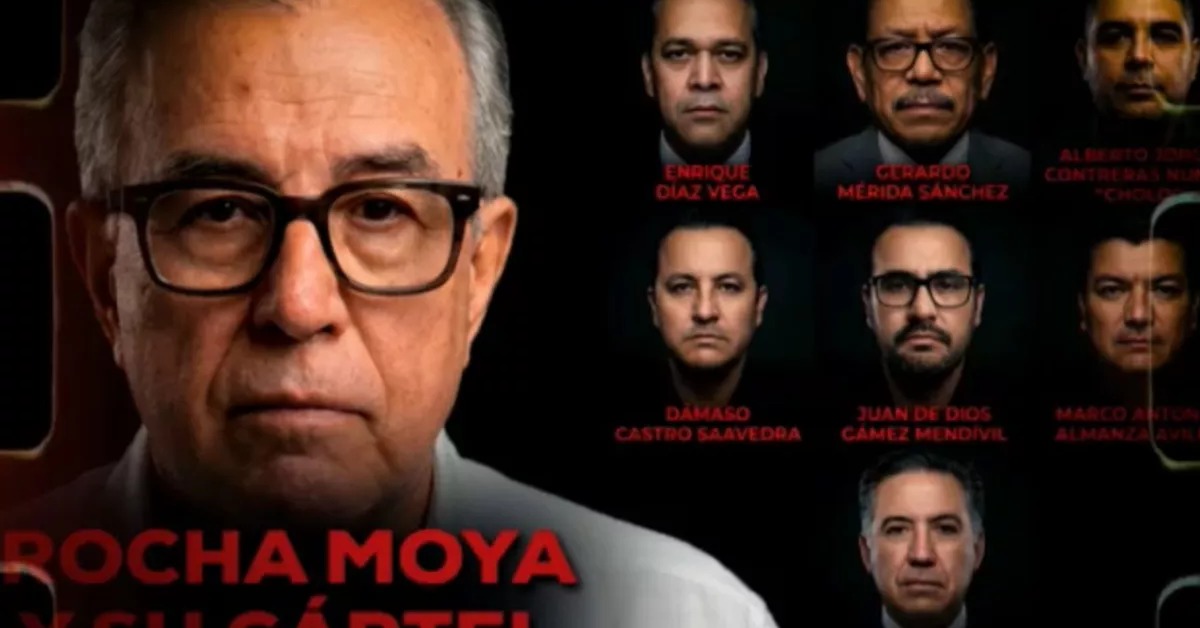
The warning comes after U.S. prosecutors accused Sinaloa Governor Rubén Rocha Moya and nine other current or former state officials of helping the Sinaloa Cartel move drugs into the United States. The charges include drug trafficking and weapons-related offenses.
Blanche said more cases could develop as cartel figures in U.S. custody cooperate with prosecutors. His comments suggest Washington is looking beyond cartel bosses and focusing more directly on the political and law enforcement networks accused of protecting them.
The accused officials have not been convicted. The charges remain allegations unless proven in court.
The Sinaloa case behind the warning
The current dispute began when U.S. prosecutors unsealed charges against Rocha Moya and other Sinaloa officials. The indictment claims they worked with Los Chapitos, the faction linked to the sons of Joaquín “El Chapo” Guzmán.
U.S. prosecutors allege the officials helped protect cartel operations in exchange for bribes and political support. They also claim some officials used public offices and police structures to shield drug shipments and sensitive cartel activity.
The indictment includes accusations involving fentanyl, heroin, cocaine, and methamphetamine. One former Culiacán police commander also faces kidnapping-related charges tied to the deaths of a DEA source and a relative.
Rocha Moya has denied wrongdoing. Several accused officials have also rejected the allegations or said the case must be handled under Mexican law.
Why this is now a bigger test for Mexico
This case is not only about one governor or one state. It touches on Mexico’s debate over sovereignty, U.S. pressure, and whether Mexican institutions can investigate powerful officials without outside coercion.
President Claudia Sheinbaum has said Mexico will not protect anyone who commits a crime. She has also said the United States must provide evidence that can be reviewed by Mexican authorities.
That position leaves Mexico walking a narrow line. If the evidence is strong, the government may face pressure to act against senior political figures. If the evidence is weak, Mexico can argue that Washington is using criminal accusations as political pressure.
The case also lands during a sensitive period in U.S.-Mexico relations. Security cooperation, fentanyl enforcement, extraditions, migration, trade, and the 2026 World Cup are all part of the wider relationship.
Extradition is not automatic
A U.S. indictment does not automatically mean a Mexican official will be arrested and sent north.
The U.S.-Mexico extradition treaty requires evidence that meets the standards of the requesting country. In this case, Mexico must review whether the evidence is enough under Mexican law.
That is why Sheinbaum has repeatedly asked Washington to provide proof. Mexico can cooperate with U.S. prosecutors while still requiring a legal review before arrests or extraditions move forward.
This distinction matters for readers outside Mexico. A U.S. criminal case can begin in a U.S. court, but Mexico still controls what happens on Mexican soil.
Cartel cooperation may shape future cases
Blanche’s warning points to another important part of the story. Several high-profile cartel figures are now in U.S. custody, and some may be cooperating with prosecutors.
That can change the direction of criminal investigations. Cooperating witnesses can provide names, payment details, meeting accounts, and internal cartel information. Prosecutors may then use that information to pursue officials accused of protection, bribery, or direct support.
Those claims still need to be tested in court. Cooperation agreements can be useful, but they can also raise questions about credibility. Defense lawyers often argue that cooperating witnesses have an incentive to reduce their own punishment.
That makes evidence beyond testimony important. Financial records, communications, travel data, official documents, and corroborating witnesses may become central if more cases are filed.
What could happen next
More accusations may follow if U.S. prosecutors believe they have enough evidence. Those cases could involve politicians, police officials, judges, prosecutors, or others accused of helping criminal groups.
Mexico may also open or expand its own investigations. That would allow the government to show it is taking the allegations seriously while keeping the process inside Mexican institutions.
The political cost could be high either way. Moving too slowly may seem protective. Moving too quickly could be criticized as giving in to Washington.