Chapala, Jalisco – Chapala residents are watching nervously after Jalisco Governor Pablo Lemus Navarro publicly urged a reconsideration of a new water transfer project that would divert water from the Solís Dam toward the city of León—a move he says could jeopardize the gains Lake Chapala has made in recent months.
The appeal came during a high-profile water forum held at the Cabañas Museum, attended by federal and regional water authorities, including representatives from the National Water Commission (CONAGUA), legislators, and neighboring governors. The governor’s plea placed the spotlight squarely on the fragile balance of water sharing in the Lerma-Chapala-Santiago watershed and on the broader question of Lake Chapala’s long-term sustainability.
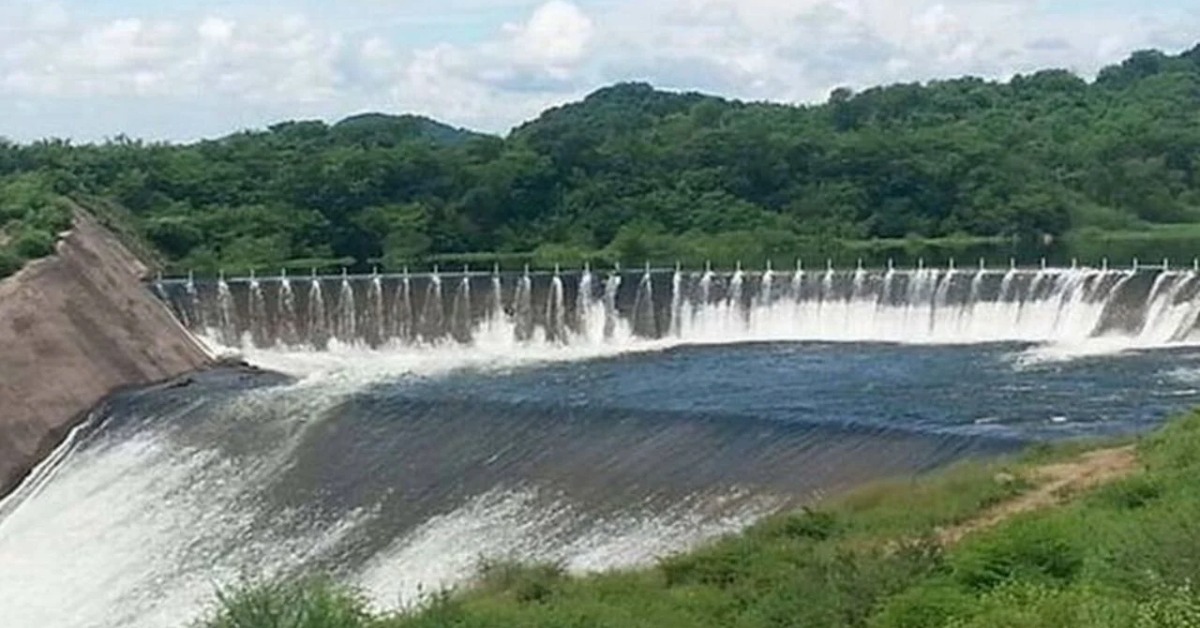
Lemus framed the request not as outright opposition but as a call for dialogue and agreement. He asked federal and basin-state actors to “reconsider” the recently announced 140-kilometer aqueduct from the Solís Dam in Acámbaro, which is intended to carry water to León and is part of the federal Plan Nacional Hídrico with backing from President Claudia Sheinbaum’s administration. Lemus argued that diverting water from Solís—one of the Lerma basin’s most capacity-rich sources—could reduce the inflow, helping sustain Lake Chapala, Mexico’s largest freshwater body, and threaten its ongoing recovery.
In the two decades before 2025, officials have transferred water from Solís into the Chapala system fifteen times during periods of surplus to bolster lake levels. Those transfers have been part of a delicate management regime in a basin long strained by competing urban, agricultural, and environmental demands. The Solís Dam plays a key role in moderating fluctuations in the Lerma-Chapala hydrology; reducing its contribution to the lake by diverting volume to other cities like León, Silao, Celaya, Irapuato, and Salamanca risks eroding that buffer.
The stakes are heightened because Lake Chapala has seen signs of rebound after years of decline. Recent reporting shows the lake enjoyed a notable recovery in water level in July 2025, reversing some of the downward trend that had raised alarms among locals and environmental observers. That improvement follows a patchwork of efforts to manage extraction and mitigate pollution, although the underlying ecological stresses—such as upstream pollution from the Lerma River and legacy sedimentation—remain.
Adding complexity, the governance structure around extraction rights in the basin is legally anchored. Lemus reminded attendees that the extraction levels from Lake Chapala are governed by a decree published in the Federal Official Gazette, and he called on the governors of the Lerma-Chapala-Santiago basin—including those from neighboring states—to respect the agreed-upon limits. The governor’s comments come as tension simmers between regional development ambitions and the need to protect shared environmental assets.
The project to send water from Solís to León has already drawn skepticism from environmental and water-sustainability advocates in Jalisco, who see it as a possible new stressor on Chapala’s fragile gains. At the same time, Lemus used the forum to press the federal government for financial support to replace the aging aqueduct that currently carries water from Lake Chapala to Guadalajara. He argued that the existing system is in poor condition and that a new, modern second aqueduct would stabilize supply while reducing losses—an effort he framed as part of maintaining, not expanding, Guadalajara’s draw from the lake.
That second Chapala-to-Guadalajara pipeline has been controversial among lakeshore stakeholders. Earlier in 2025, local activists had already pushed back on Lemus’s initial proposal for a replacement or supplemental aqueduct, fearing it could be used in the future to justify higher extractions. Jalisco officials have since tried to calm concerns by pledging transparency and broader stakeholder engagement, saying the new infrastructure would ultimately improve efficiency and reduce pressure on the lake by cutting losses from failing pipes.
Meanwhile, oversight of the lake’s health has shifted. Federal budget constraints led to a pullback in CONAGUA’s direct monitoring, and the Jalisco state government stepped in to oversee water quality and flow monitoring for both Lake Chapala and its outflow, the Santiago River. State officials have raised concerns about gaps left by the federal retreat, noting that current monitoring—while better than nothing—is insufficient given the lake’s ecological significance and the rising public anxiety over pollution and resource stress.
For Chapala residents, whose livelihoods and local ecosystems are tied to the lake’s condition, the recent sequence of proposals underscores a familiar tension: balancing urban water demand with preserving a shared environmental foundation. Many in the lakeside communities have watched previous cycles of boom-and-bust water management, wary that short-term projects could erode longer-term security. The governor’s appeal for a “mesa de diálogo,” or dialogue table, is a signal the issue may yet be navigated through negotiation—but only if all basin partners buy in and respect existing commitments.
Looking ahead, the future of Lake Chapala water security will hinge on several moving parts: whether the Solís-to-León aqueduct proceeds unchanged, how the proposed replacement Chapala–Guadalajara pipeline is designed and governed, and whether inter-state coordination can hold in a basin with competing demands. Chapala’s recent gains in water level are fragile; a misstep in regional allocation or infrastructure decisions could reverse them and reignite broader ecological and political conflict. The urgency of those stakes was clear in Lemus’s plea—he’s not only asking for a pause on one project but for basin-wide cooperation to keep Lake Chapala from slipping backward.
Lake Chapala, water security, Pablo Lemus Navarro, Solís dam, León aqueduct, Guadalajara water, Lerma-Chapala-Santiago basin, CONAGUA, Jalisco water policy