Mexico is still attracting factories, logistics parks, and energy projects. But the power system is struggling to keep pace. Executives now say electricity shortages are already delaying both industrial and urban developments, turning a long-running concern into a direct limit on growth. The issue is not only how much electricity Mexico can generate. It is also whether new projects can connect to transmission and distribution networks in time. That gap now matters for manufacturers, developers, and residents in fast-growing regions.
The warning is no longer theoretical
Mexico’s electricity shortage is no longer a background concern. Business leaders now say it is already delaying new industrial plants, housing projects, and other urban developments. That matters because many projects move in stages. A developer can secure land, financing, permits, and tenants, then hit a wall when reliable power is not available on time.
This is not only a factory story. The same grid that must serve a new warehouse or assembly line also supports apartment towers, retail corridors, water systems, hospitals, and digital infrastructure. When the power supply is tight, delays do not stay inside industrial parks. They begin to affect the timing and cost of urban growth more broadly.
Why the grid is under pressure
Mexico’s power system is facing pressure from several directions at once. Electricity demand has continued to rise, while heat, drought, and industrial growth have made the system harder to manage. Gas-fired plants now carry most of the load, which has helped keep supply moving, but it also shows how dependent the system has become on thermal generation when hydro output is weak.
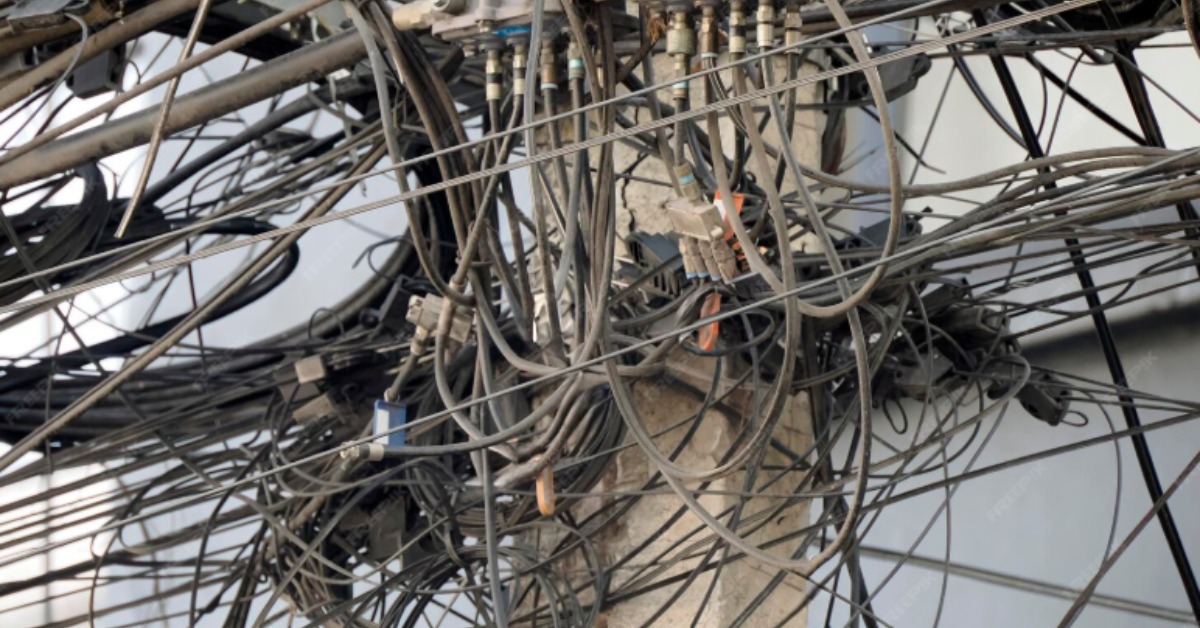
The bottleneck is also not limited to generation. New projects need transmission lines, substations, and local distribution capacity. They need interconnection studies, construction work, and predictable approvals. In fast-growing regions, manufacturers, logistics hubs, apartment projects, shopping centers, and data centers can all compete for the same electrical capacity. A project may look ready on paper and still wait months, or longer, for power.
What Mexico says it will build
The federal government has already acknowledged the scale of the problem. Its current expansion plan through 2030 calls for roughly 624.6 billion pesos in electricity investment. The target is to add more than 29,000 MW of total capacity, while also expanding the network that carries power from plants to cities and industrial users.
On paper, the buildout is significant. The plan includes 158 transmission projects, 97 new substations, 95 substation expansions, 42,221 electrification works, and 6,875 network modernization actions. It also keeps room for private participation, including mixed-investment schemes in which CFE maintains a controlling role. That shows the government is not ignoring the bottleneck. The problem is speed. Major power projects and grid upgrades take years, not months, and many local developments need electricity long before those larger works are finished.
Why money is still coming in
What makes this story more important is that investment demand has not disappeared. Industrial park investment is still expected to grow strongly this year. That suggests the problem is not a weak interest in Mexico. It is that the grid is struggling to absorb new demand as quickly as investors want to move.
That same contradiction appears in energy. There is still serious interest in gas and LNG projects, especially on Mexico’s Pacific coast. Those projects point to confidence in Mexico’s geographic position and its role in North American supply chains. But gas investment does not automatically solve a local electricity shortage. A pipeline or liquefaction project is not the same thing as having enough available power for a new factory, warehouse, or urban development that needs to connect now.
Why this matters beyond the energy sector
Mexico is trying to convert strong investor interest into real economic expansion. That is harder to do when the power network becomes the limiting factor. The country has continued to attract large amounts of investment, yet weaker growth has underscored a basic problem: announcing projects is easier than building the infrastructure that enables them to operate at scale.
This is where the story becomes relevant for a broader audience, including expats living in fast-growing parts of Mexico. A power bottleneck can shape where new housing opens, how quickly mixed-use developments are completed, and how resilient neighborhoods remain during periods of heavy demand. It can also affect the cost structure for businesses that provide services, from manufacturing and logistics to retail and hospitality.
The real question now
The larger issue is whether grid expansion can catch up before delayed projects begin to change investment decisions. IMCO has warned that public investment levels still fall short of what the official expansion plan itself suggests is needed. If that gap remains, private capital will likely become even more important. That can work, but only if planning, permits, interconnections, and construction move with more certainty.
For now, the message from this latest warning is straightforward. Mexico is not suffering from a lack of investor interest. It is running into the physical limits of the network needed to support that growth. Until more generation, transmission, substations, and local distribution upgrades are delivered, electricity will continue to act as a brake on projects that otherwise look ready to move forward.
With information from Proyectos México, Informe de Gobierno, IMCO, IEA Electricity 2025