Mexico is sending another ship carrying humanitarian aid to Cuba, keeping the issue at the center of a broader diplomatic debate over the island’s shortages, U.S. pressure, and Mexico’s long-held foreign-policy position. President Claudia Sheinbaum said the aid would continue, while also making clear that Mexico is focusing on humanitarian support rather than new public commitments on oil shipments. The move adds another layer to Mexico’s balancing act with Cuba and the United States.
Mexico confirms new humanitarian aid shipment to Cuba
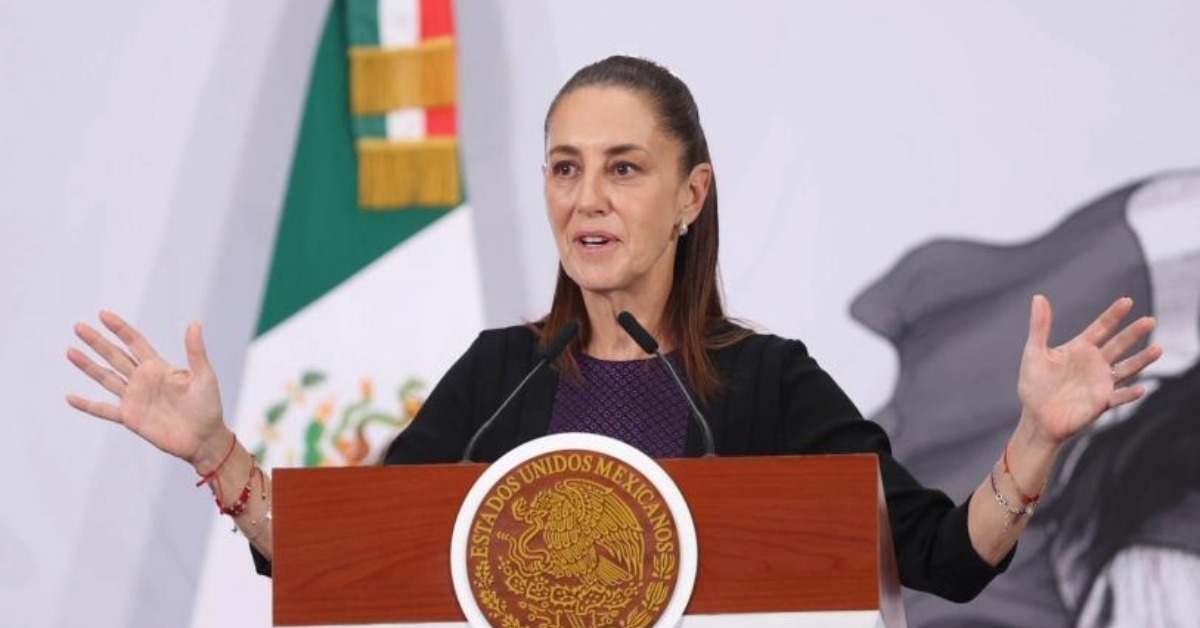
President Claudia Sheinbaum confirmed Monday that Mexico is preparing another ship carrying humanitarian aid for Cuba, as the island continues to face shortages amid its economic and energy crisis.
The announcement was made during her morning press conference in Mexico City. Sheinbaum said Mexico would continue sending aid to Cuba and repeated her government’s opposition to the U.S. embargo against the island.
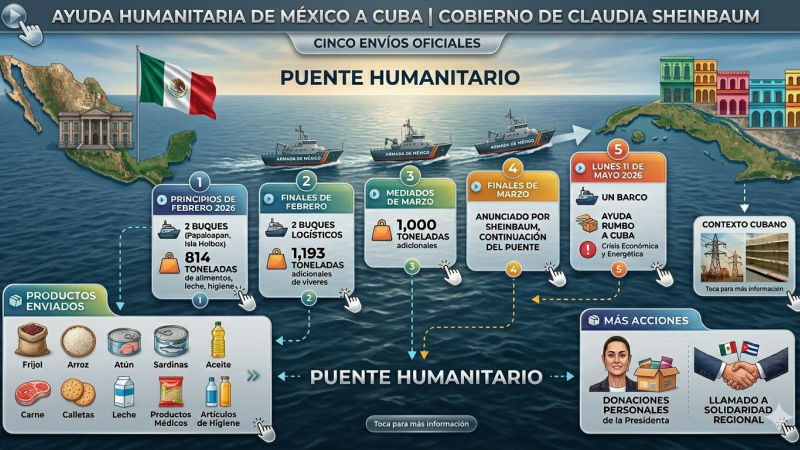
The shipment is part of a broader series of aid deliveries that Mexico sent in 2026. Earlier this year, Mexican Navy ships carried hundreds of tons of food, powdered milk, basic goods, and hygiene products to Cuba.
Sheinbaum framed the latest shipment as humanitarian support for civilians. She said Mexico would remain “fraternal and solidary” with other countries, especially Cuba, while defending the principle of self-determination of peoples.
Mexico keeps aid separate from the oil question
The announcement comes as Mexico faces pressure over past fuel and aid shipments to Cuba. The island has been struggling with fuel shortages, power problems, food scarcity, and a broader economic crisis.
When asked about oil, Sheinbaum said Cuba is receiving fuel from Russia. She added that Mexico is now focusing on other forms of humanitarian support.
That distinction matters because fuel shipments to Cuba have become a sensitive issue in Mexico’s relationship with the United States. Earlier this year, Washington increased pressure on countries and companies tied to oil deliveries to the island.
Mexico has tried to maintain its position. It opposes the embargo and supports Cuba with aid, but it is also trying to avoid a direct clash with the United States over energy shipments.
A foreign-policy signal from Mexico
The latest shipment reflects Mexico’s long-standing diplomatic posture toward Cuba. Mexico has opposed the U.S. embargo for decades and has often defended non-intervention as a central part of its foreign policy.
Sheinbaum presented the aid as consistent with that history. Her government has argued that humanitarian support should not be blocked by political disputes.
For expats living in Mexico, the story offers a clear look at how the country handles regional diplomacy. Mexico often tries to maintain working ties with Washington while also defending its own position on Latin American affairs.
This shipment shows that balance again. Mexico is not backing away from Cuba, but it is choosing humanitarian aid as the main public channel of support.
Earlier aid shipments set the context
In February, two Mexican-flagged ships arrived in Havana with more than 814 tons of aid. That cargo included food and hygiene products for Cuba’s civilian population.
A later shipment carried nearly 1,200 tons of food, including beans and powdered milk, according to official and media accounts from that period.
The new shipment continues that pattern. Early reports did not provide a full cargo list for the latest ship, but Sheinbaum described it as humanitarian aid.
Mexico has also seen private and international aid efforts connected to Cuba this year. In March, two aid sailboats that left Mexico for Havana were reported missing before later being found near Cuba, with crew members safe.
The latest government shipment keeps Mexico involved in Cuba’s humanitarian situation at a time when the island’s economic strain remains part of a larger regional dispute.