A former oceanographic research vessel has been sent to the bottom of the Gulf of Mexico, but not as wreckage. The Onjuku, a ship tied to Mexico’s maritime cooperation with Japan, is now part of a planned reef system off Tamaulipas. Officials say the project could support marine life, fishing communities, and future underwater research. The next test will be whether the site becomes a managed habitat, not just a symbolic sinking, in one of Mexico’s most active coastal regions.
Former research ship becomes underwater habitat
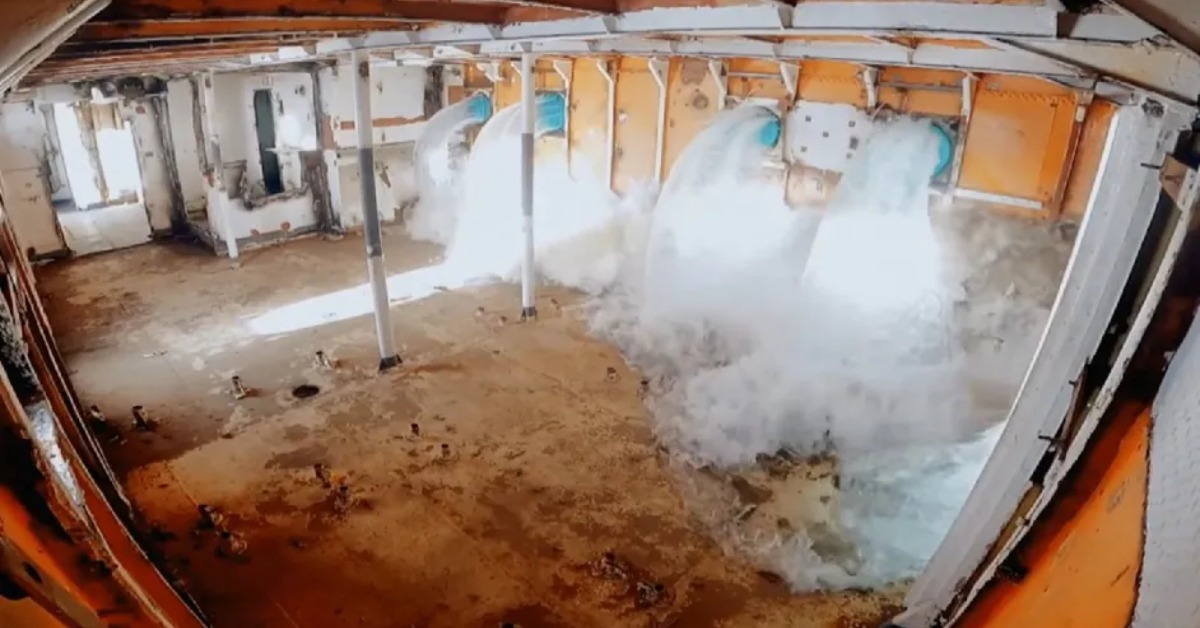
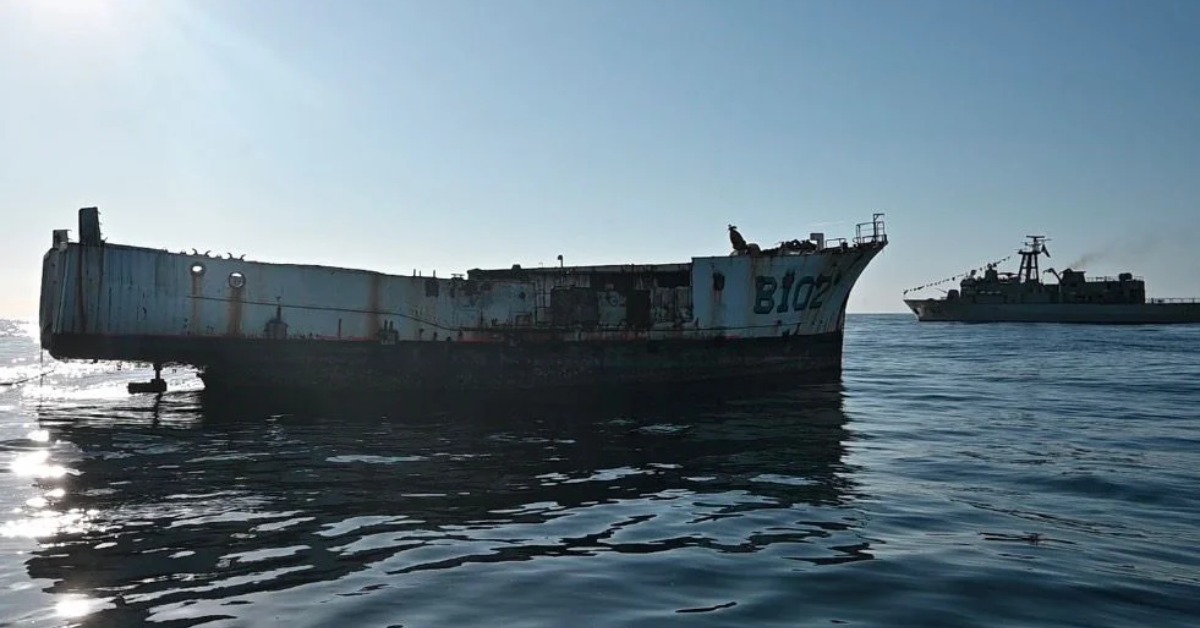
Mexico’s Navy carried out the controlled sinking of the former Onjuku vessel off the coast of Tamaulipas, turning the retired ship into part of an artificial reef in the Gulf of Mexico.
The operation took place on Wednesday, May 13, 2026, near the southern coast of Tamaulipas. Naval authorities said the vessel was placed about 15 nautical miles east of Mezquital, an area linked to the state’s artificial reef system.
The Onjuku had served as an oceanographic research vessel. Its previous work included scientific, fishing, and marine studies before it reached the end of its service life.
Now, the ship’s structure is expected to act as a fixed underwater surface. Over time, marine organisms can attach to the vessel, while fish and other species may use it for shelter, feeding, and reproduction.
A project tied to marine recovery
The sinking is part of a wider plan to develop artificial reef systems in several Mexican states. Tamaulipas is one of the locations included in that national effort.
Officials described the project as a way to support marine regeneration, strengthen biodiversity, and create habitat for species in the Gulf. They also said the reef could benefit local fishing communities by supporting healthier marine areas.
Artificial reefs are not new. Around the world, retired ships, concrete structures, and other stable materials have been used to create underwater habitats. When properly planned, these projects can give marine life new places to settle and grow.
The key issue is preparation. Ships must be cleaned and stripped of materials that could harm the sea before they are sunk. That includes fuels, oils, loose debris, and other materials that can create pollution risks.
Authorities said the Onjuku went through environmental conditioning before the sinking. The vessel was then sunk in a controlled operation so it could settle on the seabed as a reef structure.
From Japanese-built vessel to Gulf reef
The Onjuku also carries a diplomatic history. The vessel was built in Japan and later donated to Mexico as part of maritime cooperation between the two countries.
During its years in service, the ship supported marine science and research work. Its new role keeps that maritime connection alive, but in a different form.
The name Onjuku has been described as meaning a place of rest or dwelling. That meaning now fits the vessel’s new purpose as a refuge for marine life.
For residents and visitors in coastal Mexico, the story also connects to a larger question. The country depends heavily on healthy seas for fishing, tourism, storm protection, and coastal livelihoods. Projects like this can help, but only when matched with monitoring and responsible use.
The reef’s long-term value will depend on what happens after the sinking. If the site is protected, studied, and managed, it could become more than an underwater landmark. It could become part of Mexico’s broader work to recover and manage marine ecosystems.