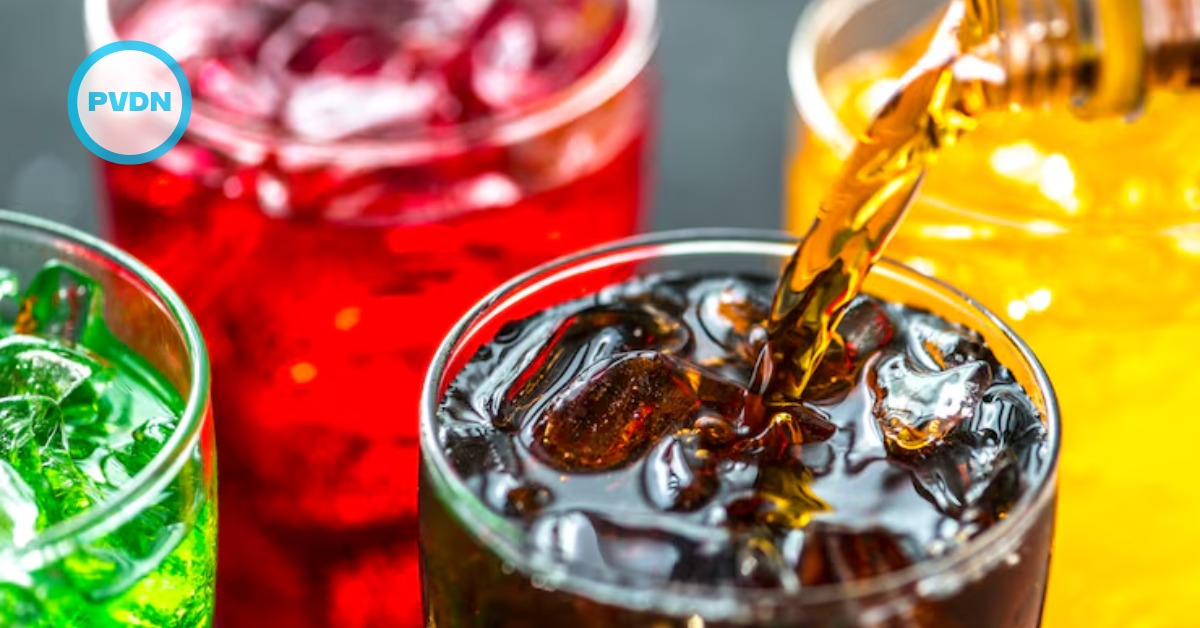
Mexico’s soft-drink makers tried one last move to blunt a steep tax hike. They offered sugar cuts, new portions, and health investments. By midday, the government said there was an understanding, not a surrender: the Mexico soda tax would still rise in 2026, but Congress could give light and zero drinks a more minor hit. Prices will climb; labels and formulas may shift. It’s a compromise born in public-health politics, industry pressure, and a country wrestling with diabetes and obesity rates that won’t budge on their own.
Mexico soda tax
Mexico’s soda industry made a last-ditch pitch to avoid the full increase in the special excise tax known as IEPS. They came with promises: less sugar, smaller portions, and health measures the government could tout as a win. By Thursday morning, President Claudia Sheinbaum said there was an agreement in principle with bottlers, and her health secretary would brief Congress. Translation: the hike essentially stands, but industry-backed reformulation is now part of the deal.
At the heart is a sharp jump slated for 2026. Lawmakers working on the revenue package advanced an increase in the per-liter levy on sweetened beverages from roughly 1.6451 pesos to 3.0818 pesos, an 87% surge. The same draft extended the tax to drinks with non-caloric sweeteners—light, zero, diet—matching the new rate. After negotiations with bottlers, deputies signaled a softer landing for those no-sugar versions: a lower charge of around 1.5 pesos per liter instead of the full 3.08. That tweak, if finalized on the floor, would keep the headline hike while carving out a partial reprieve.
Industry insists consumers will feel it quickly. Analysts estimate retail prices could climb a few pesos per bottle once the higher IEPS is passed on through the supply chain. Bottlers warn of strain on small retailers and on lower-income households who buy single-serve drinks. Government health officials counter that the point of “impuestos saludables” is precisely that: to steer shoppers toward less sugar and fewer empty calories, while raising revenue. The emerging compromise leaves that strategy intact but throws industry a lifeline on zero-sugar products—provided they follow through on sugar reductions elsewhere.
Why a bigger tax now
Mexico has leaned on IEPS adjustments before, and public-health researchers say they work. The Pan American Health Organization and Mexican institutes have documented measurable declines in purchases, especially among lower-income households, after the first soda tax took effect a decade ago. Not every study agrees on the size of the drop, and substitution is real, but the direction of travel is clear enough to underpin this year’s push. Politically, the Sheinbaum government has framed the 2026 package as a mix of “healthy taxes,” customs enforcement, and selective tariffs to plug the budget without a sweeping income-tax reform.
For Congress, the live question became how far to go on diet drinks. The initial plan treated them like sugar-sweetened beverages, based on the theory that they condition taste for sweetness and may not aid in weight loss. After the industry’s offer, negotiators coalesced around keeping the core hike for sugary sodas while halving the proposed hike on light and zero to about 1.5 pesos per liter. Multiple outlets reported the contours of that political trade on Thursday as leaders huddled in San Lázaro.
What changes for shoppers and brands
If the package passes as signaled, regular sodas will become pricier in January when the 2026 IEPS kicks in, and bottlers will be under pressure to reduce sugar in their recipes. Expect more “new taste” labels, smaller cans, and product lines tuned to the new economics of tax per liter. Light and zero drinks would still be taxed, albeit at a lower rate than initially proposed, thereby narrowing the price gap with water and other non-taxed options. For consumers, the message is blunt: Mexico wants you to drink less sugar, and it’s making it cost more to ignore that nudge.
The deal’s durability will hinge on enforcement and on whether reformulation is real, not just marketing. Health advocates argue the country needs sustained policy—taxes, front-of-pack warnings, school standards—to chip away at diabetes and obesity. The industry argues that it needs regulatory certainty to invest. Both can be true. For now, the government secures a higher levy and a public pledge to reduce sugar consumption; bottlers receive a lighter touch on zero-sugar lines. The rest is on Congress’s final vote and the market’s response.