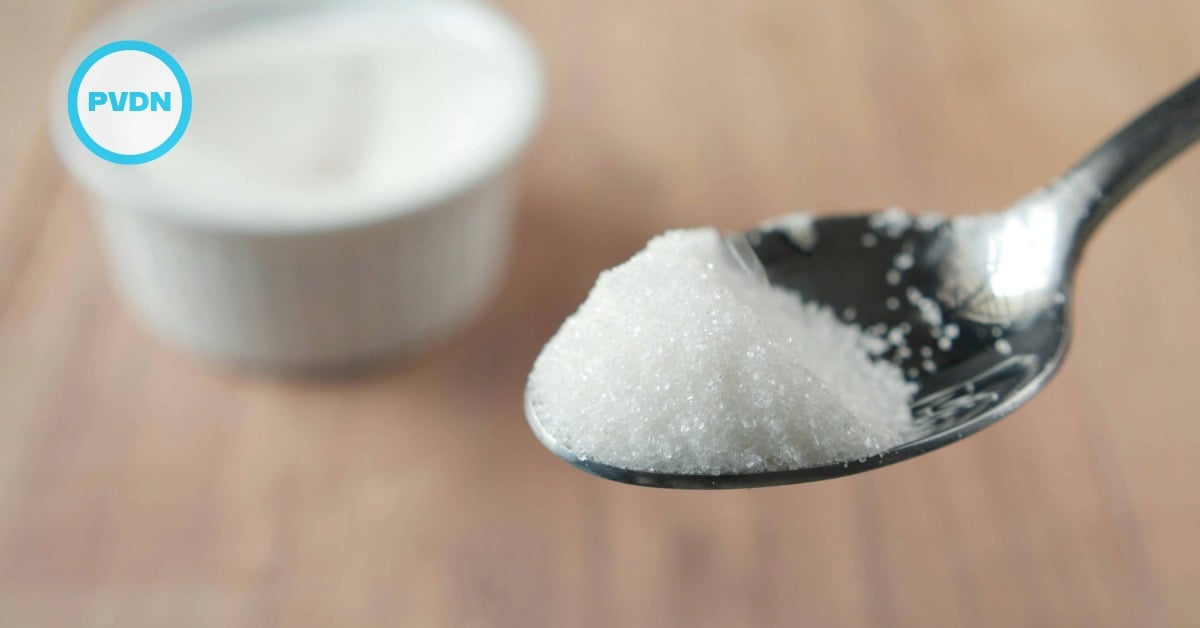
Mexico has slapped emergency duties on sugar imports, setting rates between 156% and 210.44% and bringing them into force immediately after publication. The decree targets shipments from World Trade Organization members that lack a free trade agreement with Mexico, while shipments from partners covered by existing agreements are exempt. Officials frame the move as market stabilization and a lifeline for cane growers and mills hurt by low global prices and swelling supply.
The steepest line—210.44%—falls on liquid refined and inverted sugar. A 156% rate covers several cane and beet categories. The change is temporary under the decree, but no end date was highlighted in the initial rollout. For importers that relied on “opportunistic” spot cargoes from non-treaty origins, the economics flip overnight. For users tied into North American supply chains, the hit should be smaller, at least on paper.
Mexico sugar tariffs
This is as much politics as price. The Sheinbaum administration has leaned on tariffs and selective tax shifts to back domestic producers and to police what it calls unhealthy or distortive import waves. In September, officials defended new duties on certain Asian auto imports as part of a broader industrial plan. Budget documents also flagged higher “health” taxes for sugary drinks in 2026, casting a longer shadow over sweetener demand. Sugar is now squarely inside that toolbox.
Producers say the sugar market has been whipsawed by cheap arrivals and by world prices that dipped from this year’s highs. The decree tries to seal the door most ajar—flows from countries without trade pacts—while keeping treaty corridors open. That carve-out matters. The United States-Mexico-Canada Agreement governs a chunk of regional sugar trade through quotas and side arrangements, and it has historically cushioned Mexico’s industry when world prices sag. Whether it cushions end users is a different question.
*** More Mexico News on PVDN ***
For food and beverage companies, this is not a simple pass-through. Some bottlers buy cane sugar domestically; others hedge imports months in advance; many can tweak blends or sourcing if costs spike. Contract timing, inventories, and logistics will decide who pays more and when. Retail prices do not jump in lockstep with decree dates. They move when restocking meets new realities.
The government’s bet is that higher barriers on the most distortion-prone products will steady mill margins without forcing a run-up at the checkout counter. That is plausible if treaty supplies and the local harvest cover near-term needs. It becomes harder if weather or plant outages crimp output, or if importers and customs brokers find new loopholes that recreate a price gap.
What it means for prices and trade
Short term, expect a chill on spot imports from non-treaty origins and firmer wholesale quotes for affected grades. Medium term, watch three levers: domestic cane output and refinery uptime; how much treaty-area sugar (and substitutes) can plug holes; and the decree’s shelf life. Mexico’s cross-border sugar relationship with the United States is already strained. Shipments into the U.S. were expected to sink to a 17-year low this year, a sign of how fragile that channel has become. Any further friction could push buyers to reshuffle sweetener mixes or delivery routes.
Politically, the timing tracks with a bigger policy arc. The administration is pushing a “Plan México” mix of industrial support, tariff fine-tuning, and health-minded taxation. Sugar sits at the crossroads of those aims: it is a farm staple, an input for big manufacturers, and a public-health target. That tension guarantees debate. For now, cane growers have a win. Import-reliant users have a bill. Consumers will feel it—if they do—only when today’s inventories run out.
The decree is clear; the market path is not. Keep eyes on refinery prices, bottlers’ guidance, and any follow-up notices in the Diario Oficial that extend, tweak, or unwind this move. If nothing changes and supply holds, the shock may fade into the background. If weather, demand, or policy shifts collide, Mexico sugar tariffs will be the story that writes the next one.