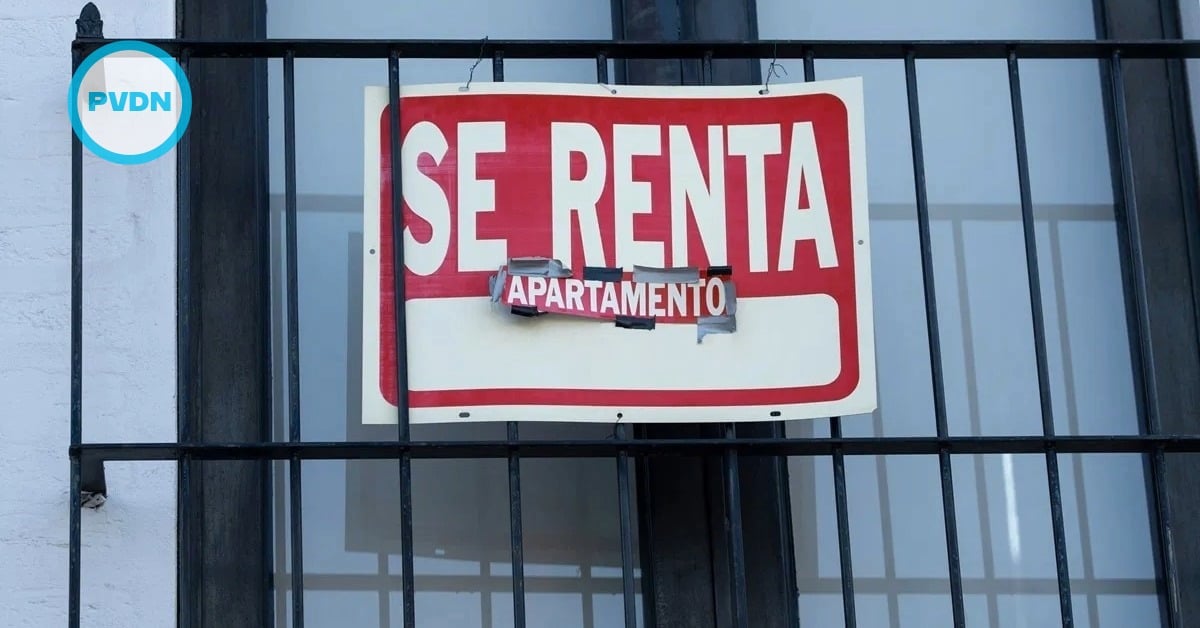
If you rent in Mexico, your next lease renewal may come with extra paperwork, stricter payment expectations, or a landlord suddenly asking for tax details they never cared about before. Mexico is widening its anti–money laundering net around residential rentals, targeting high-value contracts that can disguise cash flows and “paper” tenants. The change isn’t aimed at the average apartment, but it could ripple through the market as owners and property managers tighten processes. Here’s what’s changing, who’s affected, and what to expect.
A new lens on rental money
Mexico’s anti–money laundering framework has long focused on “vulnerable activities,” the everyday transactions that can be exploited to move illicit funds while looking legitimate. Real estate is a classic candidate because it can absorb large sums, involve complex arrangements, and create paper trails that feel credible at a glance.
What’s new is the sharper attention on high-value residential leasing as a channel that can be abused in quieter ways than a splashy property purchase. A lease can be used to justify recurring payments, mask who actually occupies a property, or provide a convenient explanation for cash-heavy flows that don’t match a person’s profile. The goal of the tightened oversight is simple on paper: make rental income easier to trace and the parties involved easier to identify.
For most renters, that doesn’t mean the government is “watching your lease.” It means landlords and property managers operating in the high-end segment now have clearer obligations, and they’ll often protect themselves by standardizing their tenant onboarding and payment collection.
The thresholds that trigger scrutiny
The compliance rules are built around UMA, a reference unit used across Mexican regulations that updates periodically. In plain terms, the law draws lines based on the monthly rental amount.
At roughly MXN 181,589.70 per month in 2025 UMA terms, a lease falls into the zone where the landlord is expected to treat the relationship more like a regulated onboarding. That’s the point where tenant identification and documentation expectations become difficult to avoid.
A second, higher line sits at roughly MXN 363,179.40 in 2025 UMA terms. Once rent reaches that level, reporting expectations become much harder to sidestep, and the landlord may have to file formal notices through the government’s anti–money laundering portal.
There’s also an important practical detail that gets lost in casual summaries. The rules can hinge on how payments accumulate over time and how “monthly value” is calculated when a contract is paid on a different schedule. In other words, even when a monthly rent figure is clear, how the law counts the operation can matter for when reporting is triggered.
What landlords are now expected to do
For landlords operating above the thresholds, this isn’t just “pay your taxes.” The obligations live in the anti–money laundering lane, which comes with its own language and workflow.
The first step is formal registration. A landlord generally needs to be properly registered with the tax authority, have the required digital credentials, and enroll in the applicable registry for vulnerable activities before submitting any report. From there, the landlord must be able to identify the tenant using official documentation, keep copies of supporting documentation, and request additional information when the relationship is ongoing rather than a one-off arrangement.
This is also where the experience can feel more intrusive to tenants, especially foreign residents who are used to informal leasing. The rules contemplate questions about the beneficial owner, meaning the real person behind an arrangement if a company or intermediary is involved. If a tenant refuses to provide the required information, the framework anticipates that the regulated party should not proceed with the transaction.
Once reporting is triggered, landlords file notices electronically through the prevention-of-money-laundering portal, with a standard monthly deadline. Even in months with no reportable activity, the system may require a “zero report” confirming that there were no operations above the reporting threshold.
To be clear, this is aimed at the part of the market where rents are high enough to create risk and, frankly, enough to justify the administrative overhead. But it still influences behavior below the line, because many property managers would rather apply one consistent process to all clients than run two parallel systems.
What tenants and expats should expect
If you’re renting a typical apartment, your day-to-day probably won’t change much overnight. The bigger shifts are most likely to show up in three places: documentation, payment methods, and who signs.
Documentation is the easiest to notice. More landlords and agencies will want a clean, complete file from day one, not because they suddenly became bureaucrats, but because they’re trying to avoid being the weak link in a regulated chain. For foreigners, this can translate into more frequent requests for residency documents, passports, local contact details, and, when available, tax-related identifiers.
Payment behavior can change, too. Mexico has spent years trying to reduce the role of large cash transactions in sensitive sectors. In high-value rentals, landlords may strongly prefer bank transfers and will be less willing to accept payment structures that look like someone is trying to stay invisible. Even when a tenant is legitimate, unusual payment patterns can become a headache for the person who has to explain them later.
Finally, expect more clarity about who is actually renting. Situations where one person signs, another pays, and someone else lives there are common in real life, but they can look suspicious on paper. If you’re an expat renting through a company, sharing a lease with friends, or paying from abroad, you may find landlords asking more questions up front, to document the “why” before the first month’s rent ever hits their account.
None of this is meant to brand renters as suspects. It’s a shift in the market’s rules. When the compliance burden rises, the easiest path for landlords is to tighten and standardize the tenant onboarding process.
The bigger picture and what to watch next
Mexico is under steady pressure to improve traceability and reduce vulnerabilities that organized crime can exploit. Real estate, including high-end rentals, sits right at the intersection of big money, cross-border clients, and informal habits that are culturally normal but regulator-friendly only on a good day.
The open question is how aggressively the rules will be enforced in practice. If enforcement is light, the change will mostly affect large, professionally managed portfolios and luxury landlords who already operate with lawyers and accountants. If enforcement ramps up, the ripple effects could extend further, pushing more of the rental market toward formal contracts, documented identities, and bank-based payment trails.
For tenants, the smartest approach is simple: expect more formality when the numbers get big, and don’t be surprised if a landlord’s “new policy” is really a compliance reflex.