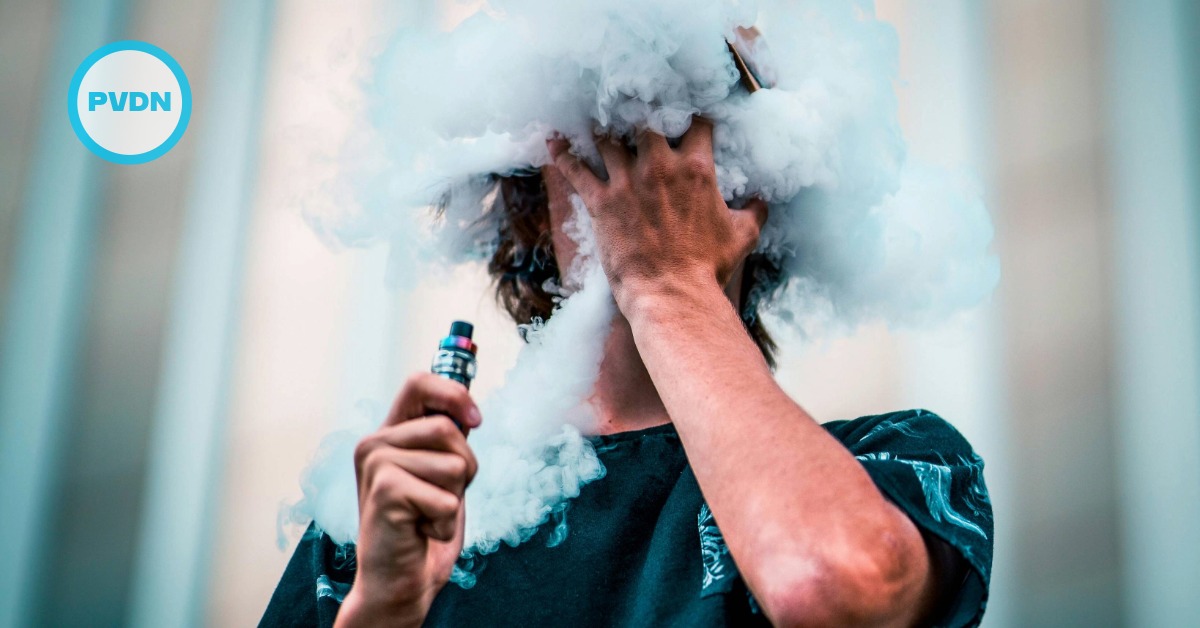
Mexico’s lower house approved a nationwide ban on vape sales and ads, sparing personal use while targeting the businesses behind the trade.
Mexico’s Chamber of Deputies has approved sweeping reforms to the General Health Law that would ban the sale and advertising of vape devices and e-cigarettes across Mexico, while explicitly shielding personal use and possession from criminal penalties. The vote caps years of stop-and-go efforts to restrict electronic nicotine products through presidential decrees and scattered regulations. It shifts the fight over vaping firmly into the legislative arena.
In a first vote “in general”, deputies backed the reform with 324 votes in favor and 129 against. In the detailed article-by-article vote, the core provisions banning vape commerce passed with 292 votes in favor and 163 against, with government allies from Morena, the Greens and most of the PT carrying the measure over united opposition blocs. The bill now moves to the Senate, which must decide whether to endorse the text as written or push for changes before it can be enacted and published.
The reform inserts new articles into the General Health Law that define “electronic cigarettes, vape devices and analogous systems” as any mechanical, electronic or similar apparatus used to heat, vaporize or atomize toxic substances, with or without nicotine, for inhalation. It then bans, across the national territory, an entire chain of activities around those devices: preparation, production, manufacturing, mixing, packaging, transport for commercial purposes, storage, import, export, trade, distribution, sale and supply, including disposable or single-use products. Advertising, promotion and propaganda for such devices are also prohibited in any medium, from print and broadcast to digital platforms.
Penalties are severe for those who ignore the new rules. The reform establishes prison terms ranging from one to eight years, along with fines ranging from 100 to 2,000 times the daily value of the Unit of Measurement and Update (UMA), which currently translates to roughly 11,000 to more than 220,000 pesos. Those sanctions are aimed at people who profit from the vape business, not at end users. They could apply to manufacturers, importers, wholesalers and retailers who continue to trade in these products once the law is in force.
Mexico vape ban focuses on the commercial market
That distinction between sellers and users almost collapsed during the debate. Earlier drafts of the bill were criticized for language that appeared to criminalize anyone found with a vape, including teenagers caught using devices they had not purchased themselves. Civil society groups and opposition lawmakers warned that the reform, as initially written, risked turning users into offenders while leaving organized suppliers in the shadows.
Facing that backlash, Morena floor leader Ricardo Monreal introduced a last-minute reservation to Article 282 Quáter. The final text now specifies that the prohibition applies to acquisition and other activities “with commercial purposes”, and adds a second paragraph stating that consumption and possession, when not linked to those commercial activities, are excluded from the ban. In the debate, Monreal argued that the goal was to dismantle the business model around vape products rather than punish people already addicted, saying the change removed any “punitive vestiges” from the law’s treatment of users.
Even with that correction, the vote exposed sharp divides. Some lawmakers from the PT broke with the governing coalition, arguing that coupling tough prison sentences with broad prohibitions will only push young people toward other legal substances like cigarettes or cannabis, which remain available. Opposition deputies also complained that the vape measures were packaged inside a wider health reform that adjusts rules for federal health funds, including resources previously earmarked for catastrophic illnesses. They warned that the combined changes deserved more time and scrutiny than they received in the final days of the session.
Health authorities, for their part, portrayed the reform as a response to mounting evidence about the risks of vaping, particularly among teenagers. The federal health regulator Cofepris has repeatedly reported that the aerosols inhaled from vape devices are not harmless vapor, but mixtures that may contain substances such as glycerin, propylene glycol, flavorings that degrade into toxic compounds when heated, and metals like nickel, lead, tin and chromium. Officials have linked frequent use to chronic airway inflammation, worsening asthma, cardiovascular problems and neurological effects, especially in adolescents whose brains are still developing.
President Claudia Sheinbaum embraced the deputies’ decision, reiterating that, in her view, “vape devices do a lot of harm to health” and pushing back against the belief they are a safer alternative to conventional cigarettes. She stressed that the reform focuses on those who sell, not those who consume, and framed the measure as part of a broader strategy to protect young people from addictive products that, according to federal surveys, have reached hundreds of thousands of Mexican teenagers over the past decade.
What the Mexico vape ban means for users and shops
Mexico’s approach to vaping has been in flux for years. Since 2020, successive presidential decrees restricted the import and sale of electronic nicotine products and later extended those limits to heated tobacco devices and related liquids. Even so, vape products never disappeared: they remained on sale in malls, markets and online shops, helped by legal grey areas and limited enforcement. The Supreme Court complicated the picture further by striking down some of the executive bans as disproportionate restrictions on commercial freedom in cases brought by tobacco companies and retailers. These rulings applied directly only to those plaintiffs but signaled a broader constitutional concern.
By moving the restrictions into the General Health Law and securing a broad majority in the lower house, the government is betting that a legislative ban will be harder to overturn. For formal vape shops and wholesalers, the stakes are clear: if the Senate approves the bill and it is promulgated as written, any continued sale could bring criminal investigations, jail time and steep fines. Corner stores and informal vendors who carved out a niche selling flavored disposable vapes, often near schools and nightlife areas, will face similar legal exposure once the law takes effect.
For users, the message is more mixed. On paper, they will not be breaking the law simply by owning or using a vape device, and the final wording aims to ensure police and prosecutors cannot treat possession alone as a crime. In practice, however, cutting off legal supply is likely to make the devices harder to obtain through formal channels. Health advocates who support the ban argue that is precisely the point: by shrinking access and banning advertising, they hope to prevent a new generation of nicotine-dependent teens. Harm-reduction advocates counter that demand will not vanish, warning that unregulated black-market products can be even more dangerous than those sold openly.
The real-world impact will hinge on what happens next. Senators are already reviewing the deputies’ bill alongside a separate constitutional reform, approved last year in the lower house, that would enshrine a vape ban at the highest legal level. Business groups and civil-rights organizations are studying the new text. They could mount fresh legal challenges once the law is in force, arguing that an outright prohibition still clashes with economic freedoms and adults’ right to choose less harmful alternatives to smoking. For now, though, the vote in San Lázaro sends a clear signal: Mexico’s federal government intends to treat vaping not as a regulated alternative to tobacco, but as a public-health threat to be tackled by cutting off the commercial oxygen that keeps the market alive.