Mexico’s top water adviser says the country needs 160 billion pesos a year for dams, pipes and irrigation, but Congress offers only a fraction.
Mexico’s national debate on water spending is suddenly concrete. The president of the Water Advisory Council, Raúl Rodríguez Márquez, now says Mexico should invest about 160 billion pesos per year in hydraulic infrastructure if it wants to keep up with demand and start closing its long-standing water gaps.
The benchmark, based on council projections, is not a one-year spike. Rodríguez describes it as a multi-year commitment that would need at least a decade of stable funding to modernize irrigation, expand drinking water systems, reinforce dams and improve wastewater treatment. In that light, the figure Congress is getting ready to approve for 2026 looks very small.
Lawmakers have set aside roughly 36 billion pesos for the water sector next year, according to the council’s reading of the budget. That amount is barely a fifth of what Rodríguez considers desirable and even represents a real cut compared with 2025 in real terms. For a country that has spent recent years juggling drought emergencies and rationing schedules, the mismatch is stark.
The advisory council frames the number as more than simple construction costs. Large dams, bulk water transfers and major treatment plants carry heavy price tags. Still, Rodríguez insists the spending horizon must stretch 10, 15, or even 30 years if Mexico wants infrastructure that can withstand climate shocks and population growth. That kind of planning is hard to reconcile with a budget that still moves year to year and has been shrinking in real terms.
The council president also underlines something less visible to the public: the cost of supervision. He warns that authorities still lack updated data on how much water is actually available in many aquifers and how much is being extracted, both legally and illegally. Without stronger oversight and better information, even new works risk failing to deliver the reliability communities expect.
Agriculture sits at the center of this discussion. By the council’s estimate, farmers use about 76 percent of the country’s water, while public urban supply accounts for about 14 percent. That makes irrigation efficiency one of the biggest levers for easing pressure on rivers and aquifers. The federal government has set a goal of technifying an additional 200,000 hectares of farmland, but Rodríguez calls that target modest, given that the area requiring attention reaches about 8 million hectares.
He also points to the disappearance in recent years of federal programs that promoted efficient water use in the countryside. Modern irrigation systems are expensive, and without public support, many producers cannot replace leaky canals or outdated sprinklers. The risk, he suggests, is that cities and rural communities end up competing for the same shrinking resource, with neither side getting the investments they need.
The 160 billion peso benchmark is not a figure plucked from thin air. In recent years, Rodríguez and the council have argued that Mexico should roughly triple its current water spending to confront the crisis. Independent experts have made similar calculations, placing the minimum required investment at around 1.5 to 2 percent of national GDP, well above present levels.
Mexico water crisis and long term choices
That broader context helps explain why the 36 billion pesos planned for 2026 have drawn so much criticism from specialists. Several analyses warn that the proposed budget for the National Water Commission represents an absolute reduction from the previous year and a steep drop compared with 2024, when the agency already operated under strain. Those studies also stress that the cuts are especially sharp in infrastructure lines, precisely the items that pay for pipes, pumping stations and treatment plants.
At the same time, federal authorities highlight an ongoing package of flagship hydraulic projects. The current administration has announced dozens of dams, aqueducts and modernization works across the country, with a combined value publicly presented as a historic investment. In some regions, such as the Valley of Mexico and parts of the north, those projects have helped reduce the most immediate risk of “Day Zero” style shortages after years of severe drought.
Yet many of those projects span several years and focus on emblematic works. Every day maintenance remains harder to see and easier to delay. Replacing aging distribution pipes, fixing persistent leaks, updating local treatment plants and monitoring illegal extraction rarely feature in political speeches, even though they determine whether families can rely on water from one week to the next.
Rodríguez’s warning lands just as a new federal administration settles in and lawmakers finalize the spending plan for its first full year. Water is already framed as a national priority after recent shortages in cities such as Monterrey, and expectations are high that policy will match that rhetoric. The government now faces a basic test: whether it is willing to back that shift with the kind of money and long-term planning the council is calling for.
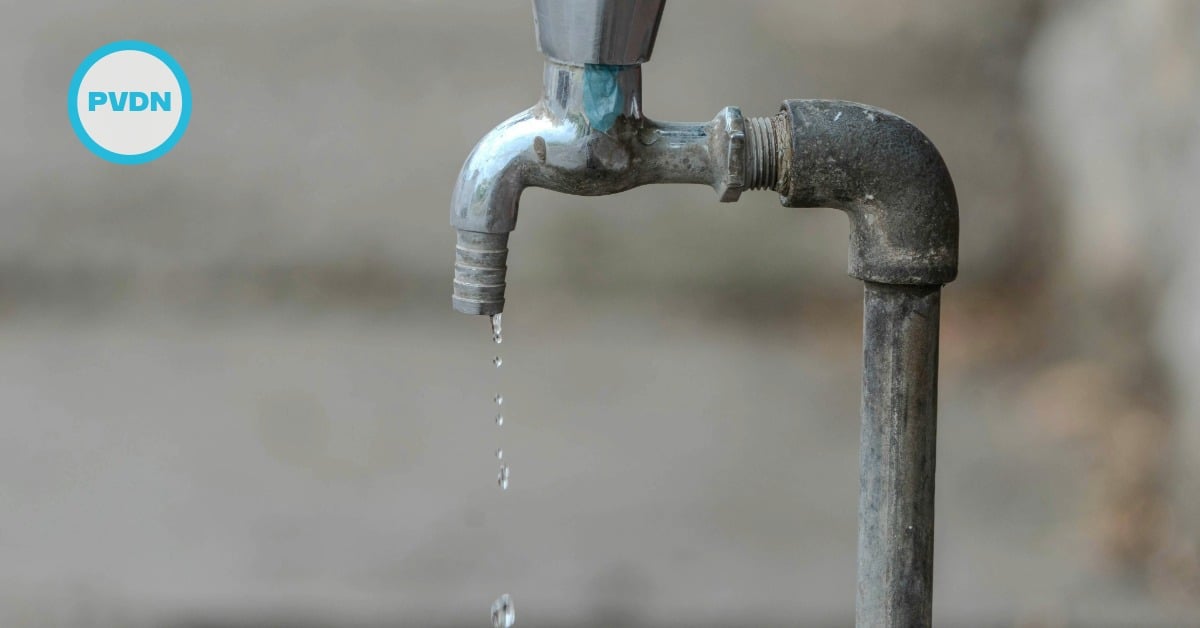
For households that have already lived through rationing, trucking and dry taps, the debate may sound familiar. What is different this time is how precise the numbers have become. Mexico’s top water adviser says 160 billion pesos a year is the minimum to start closing the gap. Congress is preparing to approve barely a fraction of that. The distance between those two figures will help determine how often Mexicans are left turning a tap and hearing only air in the years ahead.