Mexico’s holiday garbage spike brings more trash, wasted food, and emissions. Here’s why it happens and how households can cut it.
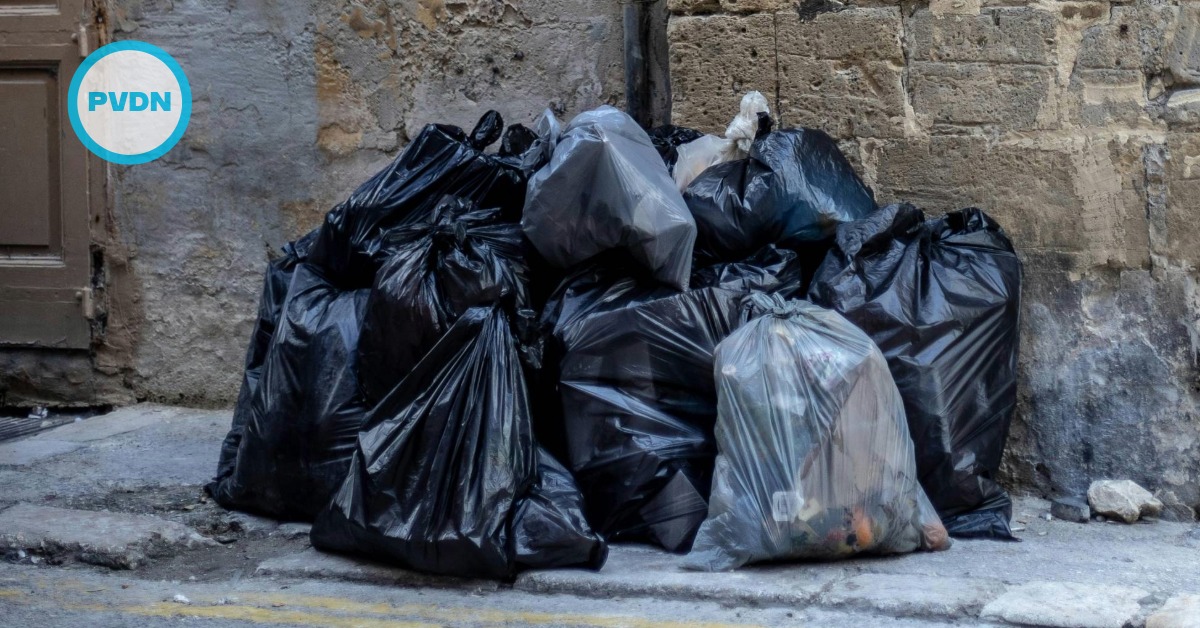
Walk through almost any Mexican city the day after Christmas and you can feel it before you measure it. Sidewalk bins are stuffed. Cardboard stacks up near buildings. Plastic wrap and shiny gift packaging turn into instant trash. Add in the remains of big family meals, and the clean-up becomes a second holiday ritual—one handled by sanitation crews and overwhelmed collection routes.
This isn’t just an “it feels busier” moment. Environmental advocates have been blunt about the scale. Greenpeace has warned that the holiday season brings a sharp jump in waste and greenhouse gas emissions, driven by what gets bought, wrapped, served, and then thrown away. One of their central points is uncomfortable because it’s relatable: people cook and buy as if everyone is coming, then watch a big share of it end up in the bin anyway.
In the country’s largest urban areas, the spike lands hardest. Mexico City’s waste stream rises noticeably in December, fueled by wrapping materials, disposable party items, and the churn of holiday shopping. Even if you don’t live in the capital, the same pattern shows up in tourist cities and expat hubs where holiday gatherings are big, short-term rentals are full, and consumption jumps for a few intense weeks.
Why Food Waste Turns Into Higher Emissions
Food waste has a double climate hit. First, every dish you toss carries “hidden” emissions from farming, water use, transport, refrigeration, and cooking. Second, once food ends up in a landfill, it breaks down and releases methane, a heat-trapping gas far stronger than carbon dioxide over time. That’s why the leftovers matter as much as the packaging, even if they’re out of sight by the next morning.
UN-linked research has put food waste in the same conversation as major emissions sources globally. The short version is simple: wasted food is not just a moral and economic issue. It’s climate math. In Mexico, academic voices have pointed to household habits as a key driver—especially during the holidays, when people host more, plan less, and feel pressure to serve abundance.
Greenpeace’s message here is practical, not preachy. The biggest spikes don’t come from one dramatic mistake. They come from small decisions repeated across millions of kitchens: overbuying perishables, cooking without portion estimates, and treating leftovers as an afterthought instead of tomorrow’s meal.
Cities Face a Stress Test They Didn’t Ask For
Municipal systems are built around routine volumes. Holidays smash routine. When waste inflows jump, everything downstream gets squeezed: collection schedules, transfer stations, sorting lines, and the final destination—often landfills that are already under pressure.
UNAM specialists have described this period as a “stress test” for waste infrastructure, because even a moderate percentage increase can push plants and crews beyond normal capacity. The problem is not only the extra tonnage. It’s the mix. A holiday trash bag often combines organics, plastics, cardboard, and glittery composites that are difficult to recycle. That means more contamination, more sorting headaches, and more material that ends up buried instead of recovered.
If you’re an expat living in Mexico, this is one of those issues where your routine intersects directly with local strain. Many expats live in dense neighborhoods, condo buildings, or areas with heavy short-term stays. A few extra bags per household can translate into piled curbside waste fast, especially when collection days shift around holidays and staffing gets stretched.
How to Cut Your Share Without Killing the Holiday
Start with the part that creates the most regret: food. Planning sounds boring until you remember you’re planning for your wallet, your time, and the people who will deal with what you discard. A small change—deciding portions based on confirmed guests, not imagined ones—can prevent the classic post-dinner moment when trays of untouched food sit out too long to save.
Then treat leftovers like part of the celebration, not a consolation prize. Mexico already has a built-in tradition for this: recalentado, the next-day meal that turns “extras” into something you actually look forward to. When you plan for recalentado, you buy differently, cook differently, and store differently. You also waste less without feeling like you’re making sacrifices.
Packaging is the other easy win. Holiday waste is heavy on single-use materials that exist for minutes and linger for decades. Reusing gift bags, choosing simpler wrap, and skipping disposable partyware reduces trash volume immediately. It also lowers the amount of mixed, unrecyclable material that tends to contaminate otherwise recyclable loads.
Even the Christmas tree matters, because it’s one of the biggest single objects many households discard. If you choose a natural tree, what happens after the holidays is the real environmental decision. A tree that gets collected for proper processing is a different story than one left on the curb or sent to a landfill. The “closing the loop” idea is simple: pick options that have a clear end-of-life plan.
None of this requires a perfect lifestyle or a guilt-heavy holiday. It’s about swapping “more” for “enough,” and making it easier for the city you live in to cope with a surge that arrives every year, right on schedule.