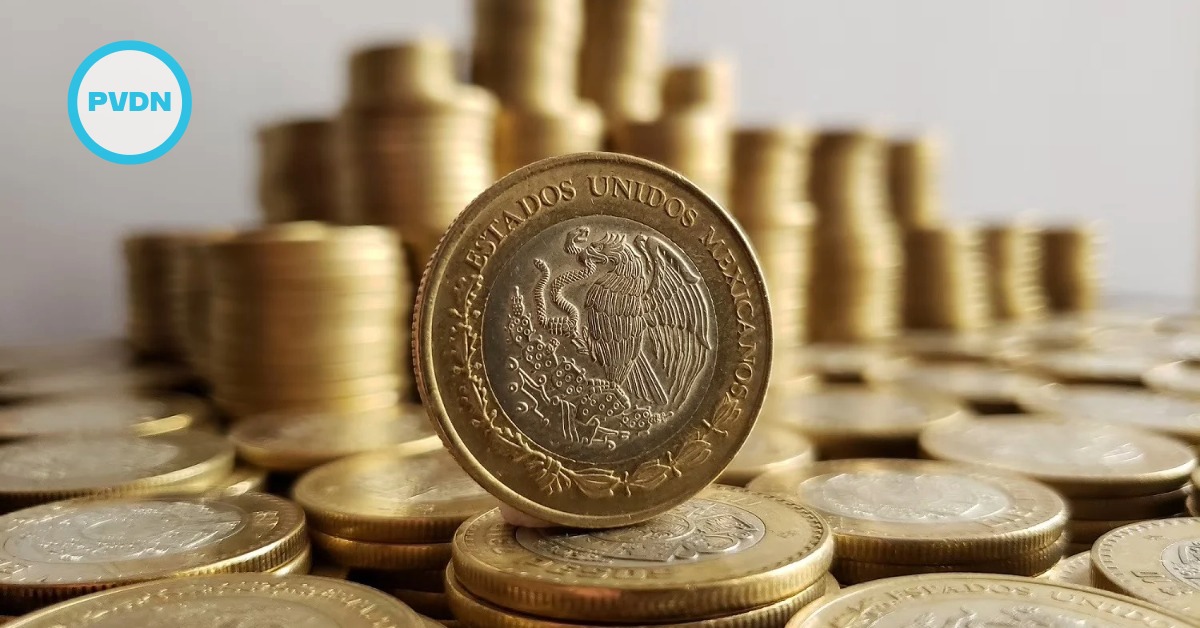
Mexico’s peso hovered near 18 per dollar, briefly hitting 17.98, as carry-trade flows and rate bets lifted it ahead of Banxico.
The Mexican peso pushed to its strongest levels in months on Friday, with trading confined largely to electronic markets because bank branches were shut. Around mid-afternoon in Mexico City, the exchange rate hovered near 18.00 pesos per U.S. dollar and briefly dipped to roughly 17.98. It was a small move in absolute terms, but it mattered because it edged the peso closer to a level that traders talk about the way sports fans talk about a rival’s home field.
The timing also shaped the mood. With thinner liquidity during a bank holiday, price swings can look sharper than they would on a normal session. Even so, the peso’s strength fit a pattern that has been building: when global investors feel comfortable taking risks, Mexico’s currency often benefits because it still offers comparatively high yields.
Behind the day’s move was a familiar mix of forces. The dollar softened, risk appetite steadied, and investors kept chasing returns where they can still find them. The peso, despite recent rate cuts, remains one of the higher-yielding major currencies.
Peso near 17
For everyday people, “17-something” sounds like bragging rights. For traders, it is more about math. The peso’s appeal has been tied to the gap between Mexican interest rates and those in lower-yield markets. That gap can make a strategy known as the carry trade tempting. Investors borrow or fund positions in currencies with lower rates, then place money in currencies with higher rates, aiming to pocket the difference.
Mexico has been a natural candidate for that trade because the central bank’s benchmark rate is still high by global standards. That helps explain why the peso can strengthen even when headlines feel uneasy. It is not only a story about Mexico. It is also a story about global money seeking yield while managing risk at the same time.
Still, the carry trade is not a free lunch. It works best when exchange rates are stable or moving in the “right” direction. If the peso suddenly weakens, it can wipe out weeks of interest gains fast. That is why traders obsess over central bank signals and any shift in market mood. It is also why thin holiday liquidity matters. With fewer participants, prices can jump more easily, and stop-loss orders can exaggerate a move.
Friday’s action also carried a second message: markets are already looking past the holiday and toward the next policy signals from Banco de México. In simple terms, traders want to know whether rate cuts will continue at the current pace, slow down, or pause. That answer shapes how attractive the peso remains to yield-seeking investors.
The peso’s strength can feel like good news at street level. A firmer peso usually helps reduce the dollar cost of imports, from some food inputs to machinery and consumer electronics. It can also lower the peso price of travel purchases made in dollars. But it can pinch exporters who get paid in dollars and cover many costs in pesos. For businesses that plan budgets in both currencies, the move is a reminder that exchange-rate swings can arrive quietly, then suddenly feel loud.
What Banxico says next matters
The next test is not a single number on a screen. It is the central bank’s tone. Banco de México has been cutting rates as inflation cooled from its peak, but inflation has not been a straight line down. Recent data showed inflation ticking higher again in November, even while staying inside the central bank’s target range. That matters because it can make policymakers more cautious, even if growth is weak.
Markets are now leaning toward another cut at the upcoming decision. If the central bank signals comfort with more easing, the peso’s yield advantage could narrow over time. That does not automatically mean the peso must weaken, but it changes the balance of forces that helped drive it stronger.
There is also a cross-border angle. What the U.S. Federal Reserve does, or is expected to do, can shift the dollar and global risk sentiment quickly. If U.S. rates stay higher for longer than markets expect, the yield gap can close from the other side. That can take some shine off the carry trade and make traders less willing to hold peso exposure.
For readers trying to make sense of it all, the clean takeaway is this: Friday’s move was partly about positioning and partly about expectation. The peso did not climb because of a single domestic headline. It climbed because investors judged the reward still worth the risk, at least for now.
Whether the peso can truly hold a path toward the high-17 range will depend on what happens when liquidity returns and policy guidance lands. If the central bank strikes a cautious tone, the peso could stay supported. If the message reads as a green light for faster cuts, traders may start trimming positions that depend on high yields. Either way, the “near 17” talk is less a finish line than a signal that markets are already placing bets on what comes next.