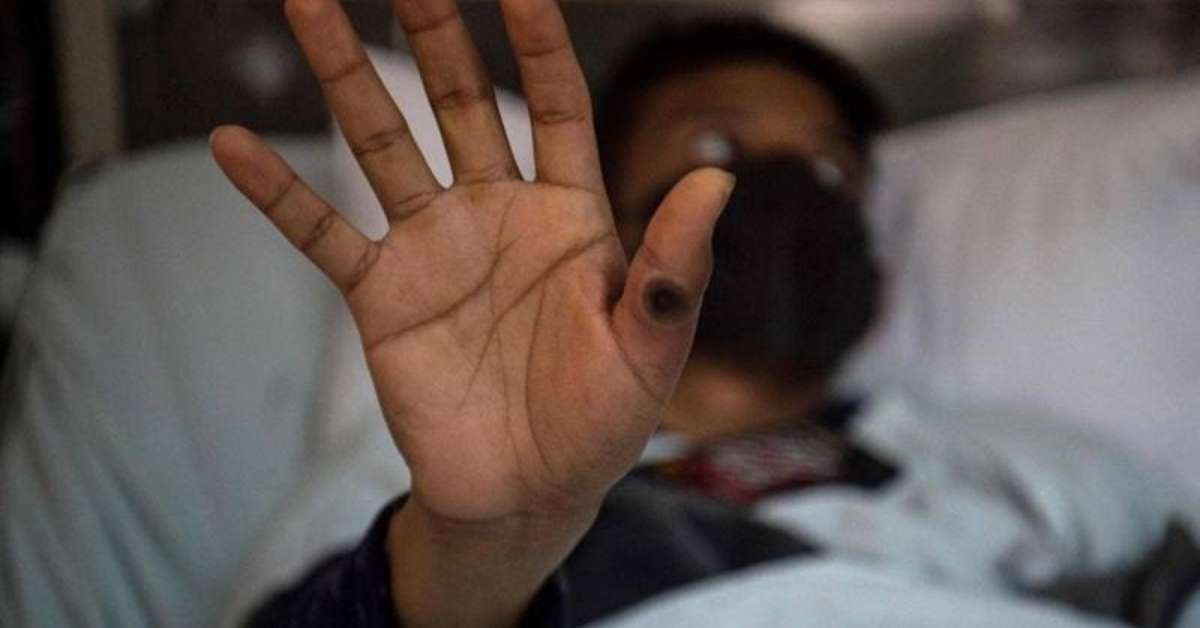
Hidalgo News – The Hidalgo Health Secretariat has confirmed that monkeypox, also known as Mpox, has returned to the state. This marks the first local cases in more than two years. Vanessa Escalante Arroyo, head of the SSH, reported three infections in Huasca, Pachuca and Tulancingo. Health officials say early detection and swift action aim to limit the virus spread and protect communities.
Escalante Arroyo noted that most patients exhibit mild symptoms and recover without specialized care. “Remember, most cases resolve without specific treatment within two to four weeks,” she said. Her comments aim to reassure residents and prevent panic.
Epidemiological Response
In response to the confirmed cases, the SSH activated a rigorous epidemiological fence. Local teams are mapping close contacts and monitoring them daily. Health workers conduct regular check‑ins to assess any new symptoms.
Officials also provide guidance on isolation and hygiene. The goal is to slow transmission while gathering data on the outbreak’s scope. Clinical follow‑up ensures that any change in a patient’s condition is addressed immediately.
Understanding Mpox
Mpox belongs to the same viral family as smallpox and primarily spreads through close contact. Transmission often occurs via skin lesions, bodily fluids or contaminated objects. Common signs include a distinctive skin rash, fever, headache and fatigue.
Symptoms typically appear six to 13 days after exposure. While most cases are mild, vulnerable groups can face severe complications. Early diagnosis and supportive care remain the best defense.
Transmission and Incubation
Close physical contact remains the main transmission route. The virus can also spread through respiratory droplets in prolonged face‑to‑face exposure. Health officials emphasize avoiding direct contact with infected people or animals.
The incubation period varies but usually spans one to two weeks. During this time, exposed individuals may not show symptoms but can still transmit the virus. That underscores the importance of contact tracing and prompt isolation.
Historical Context
Hidalgo last recorded a monkeypox case on April 20, 2023, in Mineral de la Reforma. By that date, a total of 27 cases had been reported since Mpox first emerged in 2022. The absence of new infections over the past two years allowed health teams to scale back active surveillance.
The reappearance of Mpox highlights the need for ongoing vigilance. It also serves as a reminder that viral diseases can reemerge if public health measures lapse.
Local and Global Precautions
In August 2024, the World Health Organization declared a public health emergency over a new Mpox variant. Following that, the Hidalgo Health Department issued safety guidelines. These included recommendations on hand hygiene, mask use and symptom reporting.
Escalante Arroyo urged people with chronic illnesses or weakened immune systems to take extra precautions. “Take extreme precautions and see a doctor if symptoms appear,” she said. Local clinics remain on alert to assess any suspect cases.
Outlook
Although the current cases are mild, authorities remain on high alert. The SSH plans to expand outreach to rural areas and bolster laboratory capacity. Public cooperation will be key to containing the virus.
Residents are encouraged to stay informed through official channels. With early detection and robust monitoring, Hidalgo aims to stop further spread of Mpox and safeguard public health.
monkeypox, Hidalgo, Mpox, public health, epidemiology