Monterrey will construct two C4 security centers—one in the north and one in the south—to enhance policing and emergency response capabilities. Bidding is scheduled for completion before the end of the year, and the city aims to commence operations in 2026. The move pairs fresh construction with more cameras and closer ties to the state’s C5, promising faster dispatches and better investigations. What it doesn’t include yet is a price tag—or the details residents care about most, such as expected response-time gains and how the city will safeguard video data.
Monterrey C4 security centers
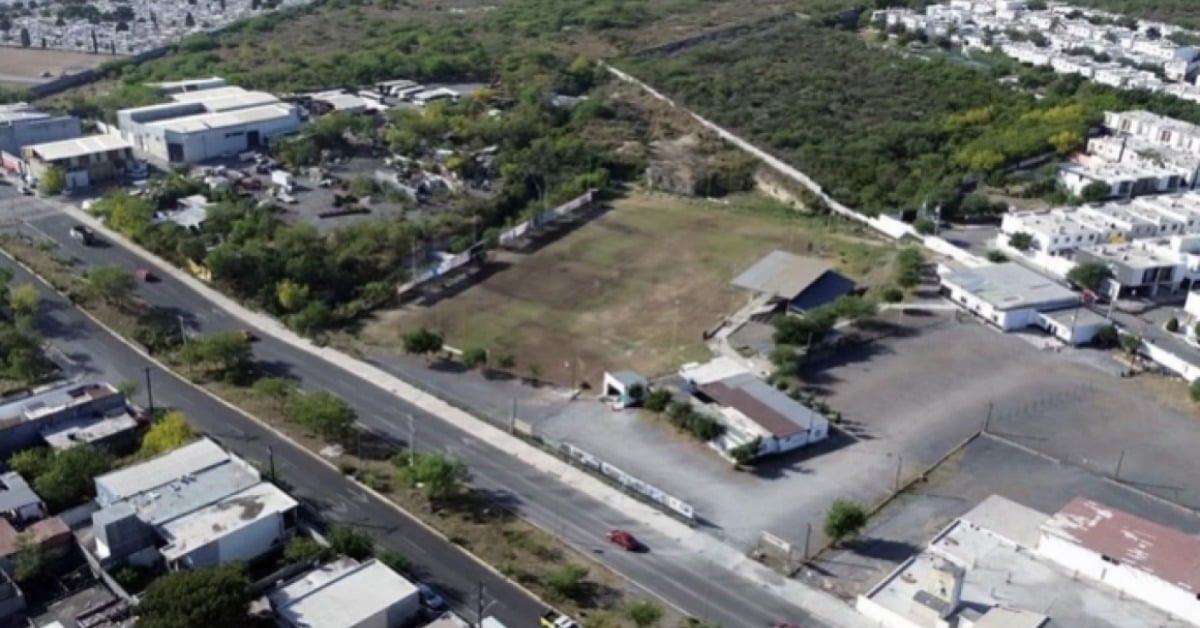
Monterrey will add two municipal intelligence and monitoring hubs, known as C4s, to cover the city’s north and south. Mayor Adrián de la Garza announced the plan during a police anniversary event, stating that the goal is to achieve a better response and tighter, tech-driven policing.
City Hall expects to launch bidding before the end of this year and bring both buildings online in 2026. The mayor did not disclose costs but said pre-projects and designs are advanced, and procurement rules limit what can be revealed before the tender process.
What the new C4s will actually do
C4 facilities are 24/7 command and control centers that integrate 911 calls, radio, cameras, and field units. They fuse feeds from city cameras, license plate readers, and other sensors to guide patrols and investigations in real-time. Mexico’s standard stack distinguishes between C4 (command, control, communication, and computing) and C5, which adds statewide coordination layers.
Monterrey already operates a C4 system with approximately 6,800 cameras connected. The city plans to add approximately 1,500 more units and upgrade older ones, with a target of more than 8,000 monitored points across the north, south, and core areas. That footprint should widen coverage gaps and cut blind spots where robberies and crashes often unfold.
How the city will connect to the state’s C5
Nuevo León operates a state-level C5 that aggregates municipal systems and supports cross-jurisdiction operations with Fuerza Civil. Monterrey says intelligence from the new C4s will be shared with the state to coordinate patrol zones and case work. In practice, that means pairing city camera hits or 911 calls with state patrols, especially along borders with San Nicolás, Guadalupe, and García, where suspects often flee.
Why it matters now
The timeline aligns with a busy calendar. Monterrey is one of Mexico’s World Cup host cities in June 2026, bringing full stadium days, fan miles of foot traffic, and international attention. Extra eyes, radios, and dispatch capacity are not nice-to-haves for that window; they are table stakes. Residents should also feel daily gains if the network delivers faster dispatches to crashes, burglaries, and domestic violence calls.
What we still don’t know
The city has not released locations beyond “north” and “south,” nor has it provided any capital budget information. It lacks detailed staffing, analytical tools, and information on how long camera data will be stored. Those choices—along with cybersecurity standards and audit logs—will decide whether the new centers earn public trust. Monterrey states that the purpose is intelligence-led policing and that coordination with the state will be formal; however, specific memoranda have not been published.
The bottom line for residents
Two new C4s promise broader coverage and quicker, better-coordinated responses. The build schedule is aggressive: tenders are expected this year, with operations scheduled for 2026. Watch for three key factors as bids are received—where the buildings will be located, how they will be staffed and trained, and how the city will protect and govern the growing trove of video and call data.