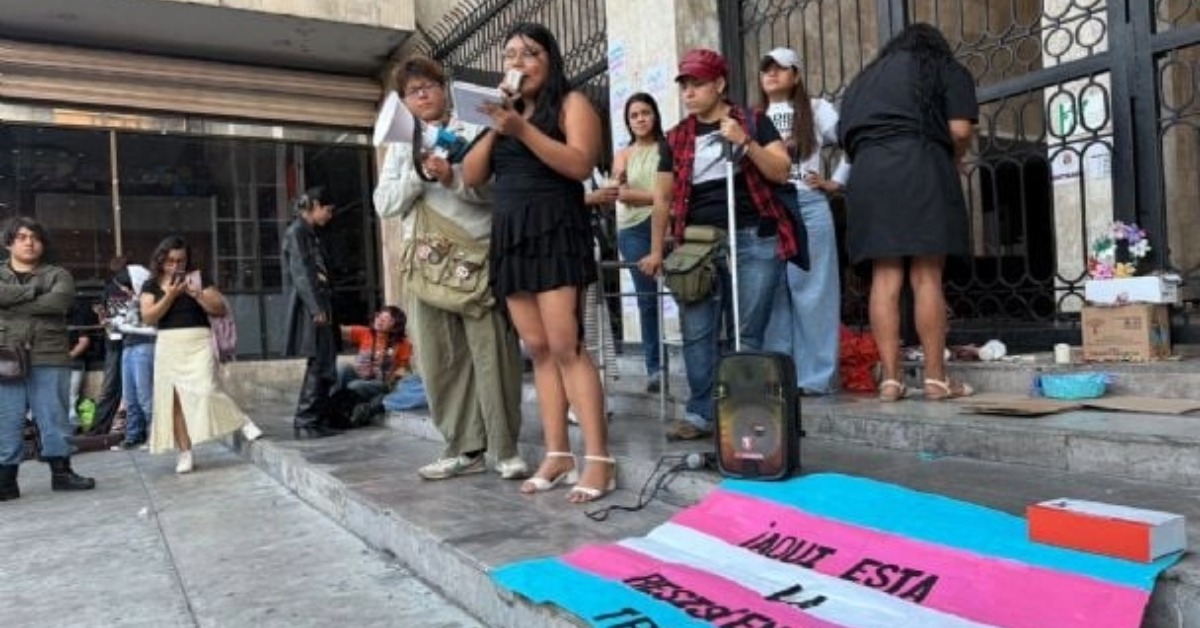
The latest push in Chiapas centers on a legal problem that sounds narrow but reaches far into daily life. Activists are again pressing lawmakers and Civil Registry authorities to create a simple statewide procedure that allows trans people to update identity documents so they reflect their lived gender. By activist counts, 20 states already recognize that type of process. Chiapas, they argue, is still behind.
That delay matters because legal identity is often the doorway to everything else. A birth certificate is not just a record kept in an archive. It can shape school files, health records, banking, employment paperwork, and other official interactions. When documents do not match a person’s identity, ordinary tasks can become harder, slower, and more humiliating than they should be.
What legal gender identity means in Mexico
In practical terms, legal gender identity recognition means a person can request a new birth certificate and related records that reflect their self-identified gender. In many parts of Mexico, that process has shifted away from courts and toward a simpler administrative route. Human rights groups and courts have pushed for procedures that are accessible, confidential, and based on self-identification rather than medical proof, surgeries, or invasive scrutiny.
For international readers, one point is important. Mexico does not address these issues in a purely national way. Civil law and registry rules are often handled at the state level. That means rights can expand in one state while another remains stuck. On paper, the country may look like it is moving forward. On the ground, the experience can still depend on a person’s ZIP code.
Why Chiapas remains behind
The frustration in Chiapas is not new. The issue has been discussed for years, and the state congress has already held public conversations on the matter. More recent legislative messaging has also framed gender identity recognition as a human right and described reform to the Civil Code as necessary. Even so, advocates say the debate has not yet become a clear, enacted statewide procedure.
That gap is what turns the issue from a policy discussion into a lived problem. Without a routine administrative path, recognition can become slower, more expensive, and less predictable. In some cases, people end up relying on court action or ad hoc solutions rather than the normal registry process. For activists, that is the central complaint. The state has discussed the right, but has not fully built the mechanism needed to make it real.
Why the issue matters beyond paperwork
This story is not only about legal language. It is about how the state sees a person, and whether public institutions respond with dignity. Activists warn that mismatched documents can create barriers in places where people are already vulnerable, including clinics and hospitals. A name or gender marker that does not match someone’s appearance or identity can trigger doubt, delay, or refusal.
That is why this debate carries more weight than outsiders may expect. A person should not need to explain themselves at every counter, office, or appointment. The purpose of a legal procedure is to reduce friction, not create it. When the system does not offer that route, the burden falls on the individual. In practice, that means the cost of delay is paid not by the state, but by the people waiting on it.
An unfinished chapter in Chiapas
The timing also matters. Chiapas has already taken visible steps on other LGBTQ+ issues, including its formal same-sex marriage reform in late 2024. That makes the hold-up on gender identity rights stand out more clearly. For activists, the message is not that nothing has changed. It is one of the most basic protections, and it is still unfinished.
That broader context helps explain why the issue keeps returning. Rights do not advance in neat packages. A state can modernize one part of the law while leaving another untouched. In Chiapas, that uneven pace now sits at the center of the dispute. The pressure on lawmakers is no longer just about whether reform is desirable. It is about why a right that has been discussed for years still lacks a clear route to enforcement.
What could happen next
The next move could come from the state congress, the Civil Registry, or the courts. A legislative reform would be the cleanest path because it could create a uniform statewide process. A court-led route can still open doors, but it is slower and less predictable. Recent Supreme Court actions elsewhere in Mexico have reinforced the idea that gender identity recognition should not depend on invasive requirements or unnecessary judicial barriers.
For readers living in Mexico, the larger takeaway is simple. National progress does not always guarantee local access. Rights may exist in principle long before they are easy to use in practice. That is why activists in Chiapas are still pushing. Their argument is not only about symbolism. It is about whether recognition arrives as a real public service or remains a right that people must keep chasing.