A road-movie romance with a bite is stealing the week in Morelia. Fresh off Venice wins, David Pablos’ En el camino is packing theaters and stirring arguments. It follows two men across Mexico’s highways, pushing against machismo while leaning into tenderness and risk. Viewers are buzzing about the leads, the heat, and the danger. The question now is whether this surge in Morelia turns into awards at home and a wider release that reaches everyday audiences.
Film with LGBT storyline
The Morelia LGBT film everyone’s talking about is En el camino, David Pablos’ heat-hazed road thriller about two men who find connection on Mexico’s highways. The buzz started on day one with a widely shared Milenio video from the festival floor, where audiences called out the story’s frank look at desire and danger. The timing helps. The festival is in full swing, with word of mouth spreading quickly between screenings and late-night lines.
Morelia LGBT film
Pablos isn’t arriving cold. En el camino just won Venice’s Orizzonti Award for Best Film, a result confirmed on the official Venice awards list. It also took the Queer Lion, the collateral prize for LGBTQ-themed cinema, as noted by the Queer Lion organizers. That double lift changes expectations at home. It turns a Mexican genre piece into a must-see conversation starter.
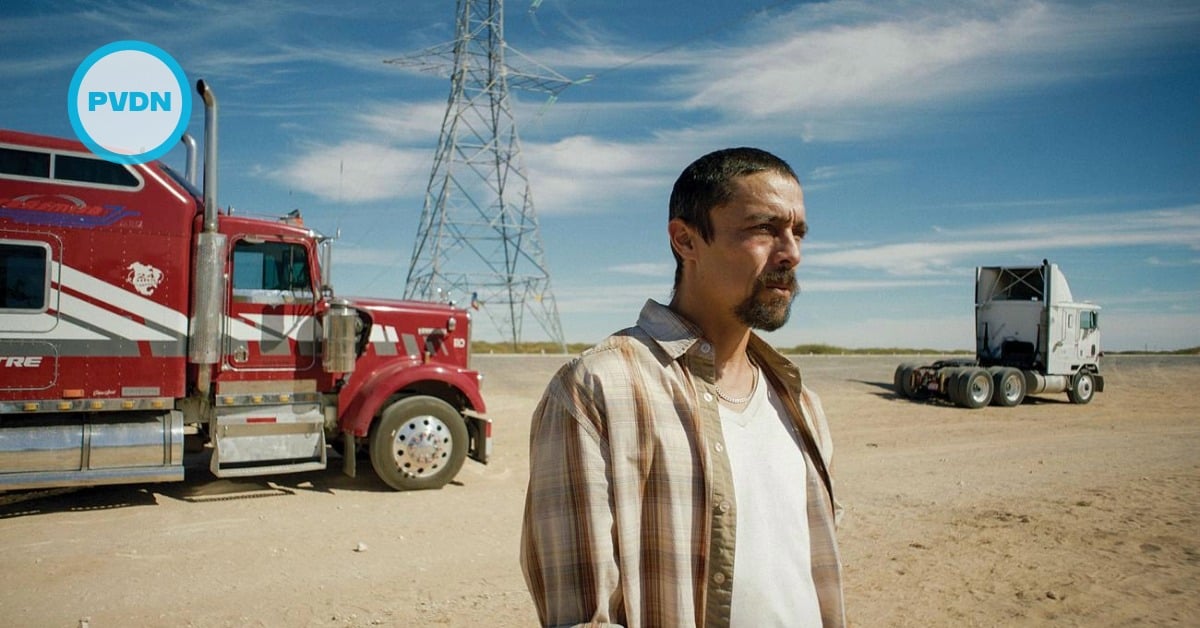
The film follows Veneno, a hustler trying to stay one step ahead of a past that won’t let go, and Muñeco, a trucker who picks him up and keeps driving. Their wary pact deepens into intimacy as the road narrows and the threats grow. The movie stays close to the men—small gestures, tight frames, sudden bursts of violence. It’s tender without going soft. It’s tough without flinching.
What lands with people is the mix of heat and honesty. The world of long-haul trucking is coded, macho, and watchful. The film doesn’t tidy that up. It lets the uncomfortable parts breathe. That choice matters. When a movie like this plays to packed rooms in a national festival, it nudges what feels sayable in public. Viewers left arguing about the ending and praising performances that feel lived-in rather than posed.
A culture story with history—and stakes
Morelia has opened these doors before. Mexican audiences will show up for stories about identity when the filmmaking is sharp and the stakes feel real. The difference this week is alignment: a locally made film with a queer love story, validated on a global stage, landing in Mexico with momentum and a star producer behind it. Diego Luna’s La Corriente del Golfo is among the banners on the project, and you can feel the confidence on screen—tight craft, clear intent, no hedging.
None of this makes En el camino a manifesto. It’s a lean, propulsive movie first. It runs on looks, silences, and the prickly chemistry between two men who learn to name what they want. If Venice gave Pablos the mic, Morelia is where the country decides how loud to let the song play. For now, the road ahead looks open—and crowded.