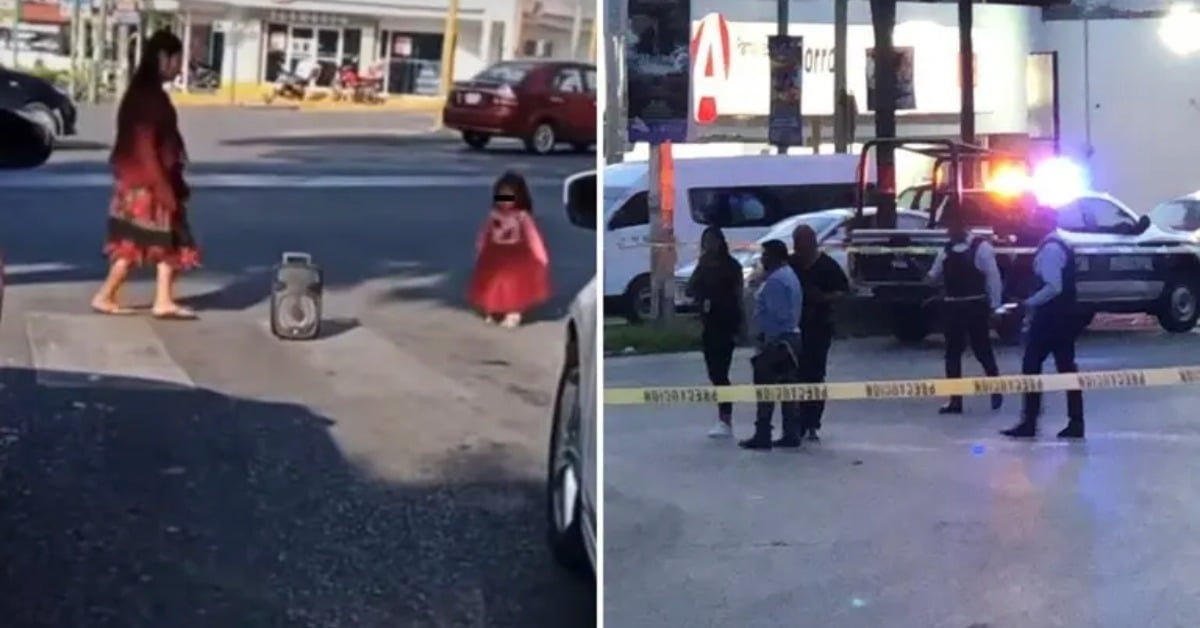
Imelda’s death on the Glorieta de la Luna exposed a risk that families here know too well. Some parents take their children to busy intersections because rent and food can’t wait. The state now says it will step in with a safer option while parents work. The plan sounds simple—feed, supervise, protect—but it will live or die in the details: where the kids go, who watches them, and whether families trust the people at the door.
Morelos DIF to protect minors
The state’s family welfare agency will open space at the Albergue Familiar in Cuernavaca for children whose parents work at intersections and along highways. The site in Lomas de la Selva will provide meals, bathrooms, a caregiver, and social-work support during work hours, with access only under a guardian’s express authorization. Authorities say patrols at semaphores will also increase to find kids at risk and offer this option first. Morelos DIF to protect minors is now the policy line, not a slogan.
The agency clarified it cannot hold children long-term without a judge’s order. Officials also urged the public to report suspected neglect or danger to the 800 831 8884 hotline, stressing the goal is prevention, not punishment. The state adds that it is scouting more sites to expand capacity beyond the capital.
What we know about the La Luna case
A young girl was struck and killed by a delivery truck at the Glorieta de la Luna on Avenida Plan de Ayala. Videos from previous weeks showed her dancing at the crosswalk and approaching cars for coins. Local officials say witnesses held the driver until police arrived. Reports differ on the child’s exact age; authorities have not released an official age.
Prosecutors say only the driver is in custody while investigators reconstruct the crash. The report for the metro region stated that a relative who was with the child is not detained, refuting early claims. Officials also noted that the family is from Chiapas and that interpreters may be required for their statements.
Why children end up at intersections
Street work by minors is everyday across Mexico and spikes in places where migration and poverty intersect. National data show 3.7 million children and adolescents engaged in child labor in 2022, about 13.1% of those ages 5–17. Many are in hazardous conditions, including traffic. That reality meets families’ need for cash, a dangerous mix on fast roads and blind corners.
Mexican law frames this as a protection issue. The General Law on the Rights of Children prohibits exposing minors to harmful conditions and treats neglect as a form of violence. Morelos also has state-level protections that align with the national statute. The policy shift to supervised shelters aligns with the legal duty to prevent risk first.
What comes next
Success will hinge on trust. Families need to see that the shelter is safe, staffed, and respectful. Social workers must meet parents where they are, not where policy assumes they are. The government says teams have already been speaking with mothers and fathers at busy crossings, offering food baskets and pathways into social programs—small steps that can open the door to care.
The plan’s test will be daily: a child at a light, a worker with a clipboard, and a parent deciding whether to say yes. If the state keeps its promise—protection, not punishment—fewer kids will be playing inches from traffic, and more will be inside, fed and watched, until their parents come back from work.