
The Water and Food Are Unsafe
A common misconception about Mexico is that all water and food in the country are unsafe for consumption. While it’s true that caution is advisable when traveling or relocating to any new country, the belief that Mexico’s food and water are inherently dangerous is an exaggeration that doesn’t reflect the current reality. Millions of residents and visitors enjoy Mexico’s rich culinary offerings daily without issue. Understanding the nuances of food and water safety in Mexico can help mitigate risks and allow for a worry-free experience.
Water Quality
In many parts of Mexico, tap water is not recommended for drinking due to potential contamination from outdated infrastructure or natural impurities. This advisory is similar to guidelines in various countries where tap water may not meet certain purity standards. However, purified and bottled water is widely available throughout Mexico, making it easy to stay hydrated safely.
- Purified Water Accessibility: Most homes, hotels, and restaurants use purified water for drinking and cooking. Water purification systems are common, and bottled water is sold in stores, restaurants, and by street vendors.
- Ice Consumption: In tourist areas and reputable establishments, ice is typically made from purified water. Businesses understand the importance of providing safe beverages to customers.
- Local Practices: Many locals also avoid drinking tap water and rely on purified sources, indicating a widespread awareness and accommodation of this concern.
By opting for purified or bottled water, visitors and residents can effectively eliminate the risk associated with tap water consumption.
Food Standards
Mexico’s cuisine is one of its greatest attractions, renowned for its diversity and flavor. The country’s food safety standards have improved significantly, and the notion that foodborne illness is rampant is unfounded.
- Regulation and Compliance: Restaurants and food vendors are subject to health regulations enforced by local authorities. Regular inspections ensure that establishments adhere to hygiene standards.
- Quality of Ingredients: Mexico’s markets are filled with fresh fruits, vegetables, meats, and seafood. The use of fresh, locally sourced ingredients is a hallmark of Mexican cooking, contributing to the overall safety and quality of meals.
- Culinary Reputation: Many Mexican chefs and restaurants have gained international acclaim, reflecting a commitment to excellence and safety in food preparation.
- Statistical Perspective: Incidences of foodborne illness in Mexico are comparable to those in other countries. Following standard precautions can minimize risks, just as one would do when dining out elsewhere.
It’s important to recognize that, like anywhere in the world, there are varying levels of food service quality. Choosing reputable establishments increases the likelihood of a safe and enjoyable dining experience.
Personal Precautions
Taking personal precautions can further mitigate any potential risks associated with food and water consumption in Mexico.
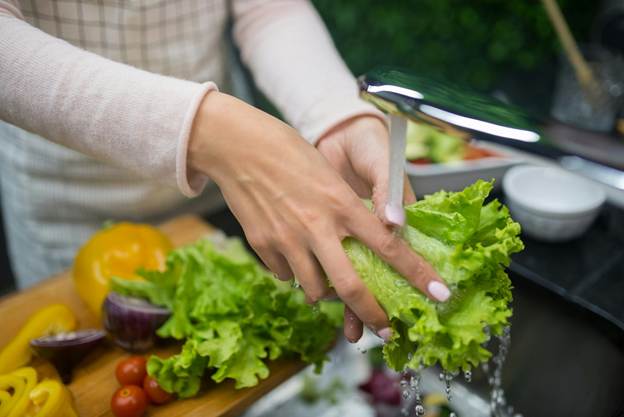
- Washing Produce: Rinsing fruits and vegetables under purified water or using a produce wash can remove residual dirt and bacteria. This practice is advisable regardless of location.
- Selective Dining: Opting for well-established restaurants and avoiding street food vendors with poor hygiene practices can reduce exposure to unsafe food handling.
- Observing Food Preparation: Choosing eateries where food is prepared fresh and served hot decreases the likelihood of contamination.
- Listening to Recommendations: Locals and seasoned travelers often know the best places to eat. Seeking their advice can lead to both delicious and safe culinary experiences.
- Being Mindful of Allergies and Sensitivities: Communicating dietary restrictions to restaurant staff can prevent adverse reactions, as Mexican cuisine often includes common allergens like nuts, dairy, and gluten.
By exercising common sense and standard food safety practices, individuals can enjoy Mexico’s rich culinary landscape without undue concern.