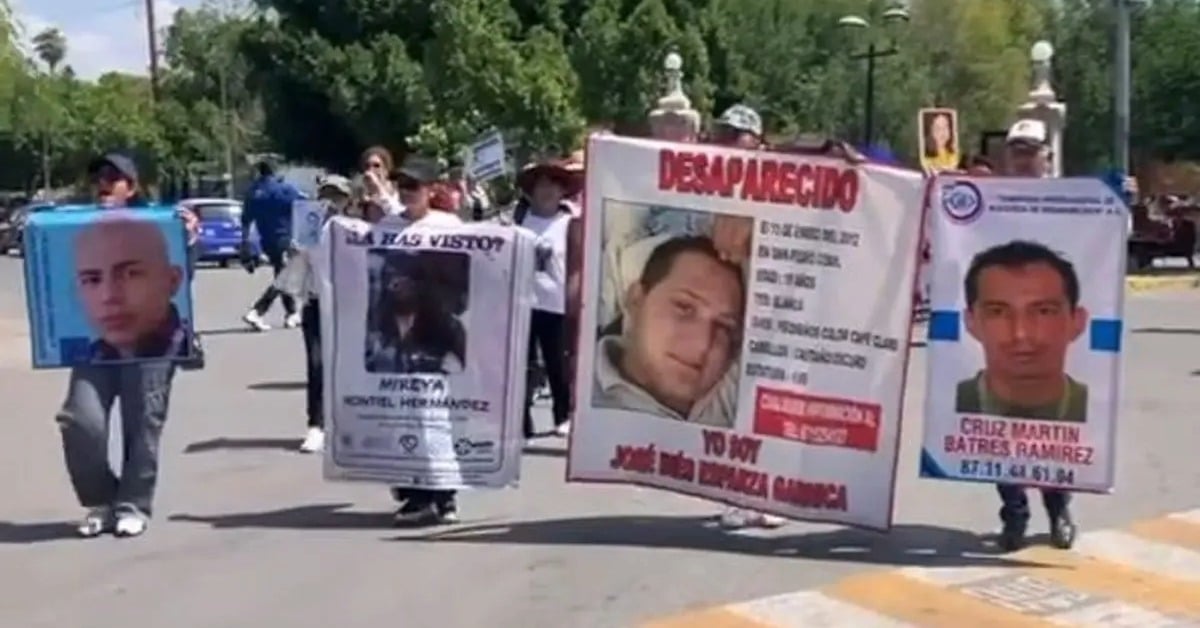
On Monday, September 1, families from across Mexico gathered in Torreón to start a two-week sweep for loved ones who vanished. The National Search in Life does not dig in fields; it walks through doors. Volunteers and relatives plan to visit prisons, rehab centers, shelters, hospitals, and forensic services. They will ask for names, faces, and clues that may have been missed. Organizers say more than 80 families have joined. The second week shifts to Saltillo. What they find—or do not—will say a lot about how Mexico searches for the living.
National Search in Life
The twelfth edition of the effort opened Monday morning in Torreón with a silent march from Alameda Zaragoza to Plaza de Armas, followed by a mass. Organizers said more than 80 families from states including Veracruz, Morelos, Nuevo León, Hidalgo, and Mexico City have joined. The activities will run through September 14.
Families will spend the first week in La Laguna and the second in Saltillo. Plans include visits to the Torreón and San Pedro prisons, outreach in plazas, and checks at rehab centers in Matamoros and Parras. If access is denied, volunteers will conduct “street brigades” to speak with people living outdoors. They might recognize a face or a name.
Two weeks across Coahuila
Organizers say the goal is to search for the living in the places where life continues—behind bars, in clinics, and in shelters—while also engaging the public in plain sight. National and local outlets reported that teams will also visit the Centro Regional de Identificación Humana (CRIH) and the state forensic service (SEMEFO). They aim to understand procedures and to contribute DNA for comparison.
The march set the tone: a roll call of names, banners with photographs, and leaflets pressed into the hands of passersby in the city center. That visibility is part of the method. As one organizer explained to local media, a clue often appears in the most ordinary conversation.
What “searching in life” means
Mexico’s National Search in Life approach is distinct from exhumations. It prioritizes interviews and checks in institutions where people might be alive but disconnected from family. This includes penitentiaries, hospitals, shelters, psychiatric facilities, and private rehab centers known as anexos. The plan in Coahuila follows that playbook: interviews inside prisons, requests for admission logs at clinics and anexos, and on-the-ground outreach in public spaces.
The strategy is rooted in the federal Homologated Search Protocol, which requires authorities to coordinate searches “in life” alongside investigative work and to include families at every step. In practice, that means crossing institutional databases, collecting DNA, and opening doors previously closed to relatives.
Coahuila’s record and the forensic backlog
Coahuila’s families are experienced and organized—among them collectives such as Voz que Clama Justicia and FUUNDEC-M. Local reporting, citing official registries and church-based monitors, puts the state’s caseload at around 3,600 missing people. This figure has barely budged in recent years.
The state’s CRIH in Saltillo has become a national reference point. Authorities and journalists report at least 148 identifications in recent years, even as more than 1,500 sets of remains and roughly 125,000 bone fragments await names. The search teams’ planned visit to CRIH this week underscores how “searching in life” and forensic identification are two halves of the same demand for truth.
The national picture
Mexico’s crisis remains vast. Advocacy networks tracking official data estimate more than 128,000 disappeared nationwide as of mid-2025. The federal government has announced policy changes—like a CURP national ID card with photo and fingerprints and a unified identity platform. These measures are meant to speed identifications and eliminate the old 72-hour wait to open a case. Whether these measures will reach the street level, where families are searching this week, is the test.
What comes next in Coahuila
The teams will continue to move forward each day, from institutional checks to evening outreach. By September 7, the operation is slated to shift to Saltillo, where families will meet with officials, visit the prison, and observe protocols at CRIH and SEMEFO. Results, when they come, may be small: a name in a ledger, a confirmation of a transfer, a possible match for DNA. For families, those small gains are the path home.
[vd_follow taxonomy=”post_tag” term_slug=”missing” label_follow=”Follow Missing Persons News” label_unfollow=”Following”]