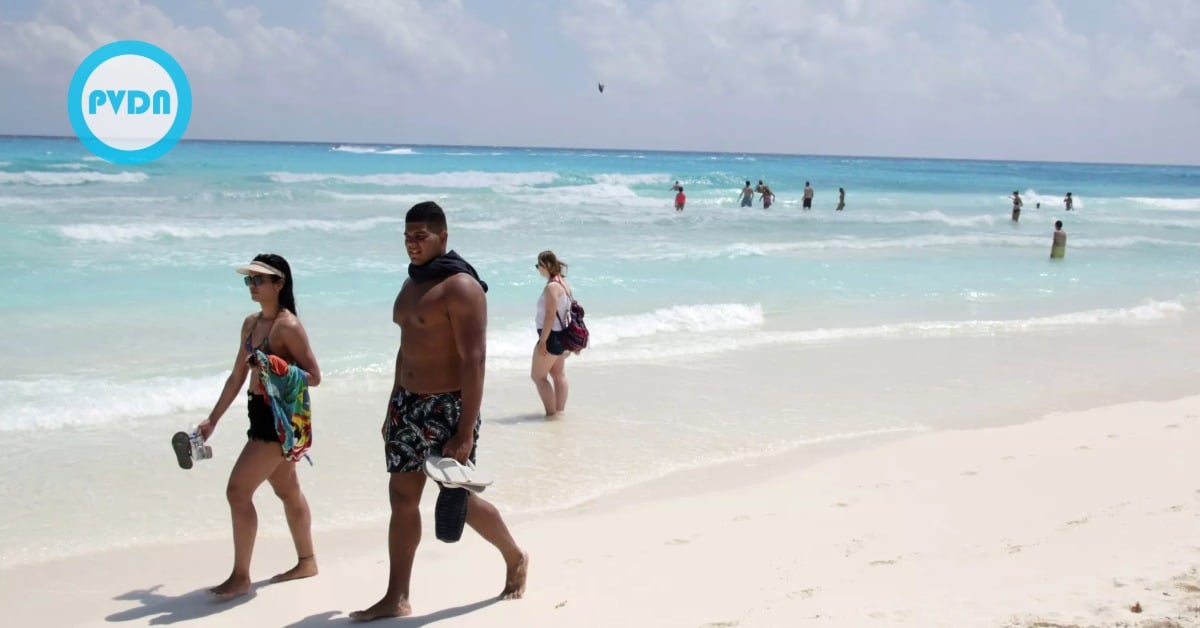
A Senate-level pact to boost domestic travel has new muscle: business leaders from the Mexican Caribbean. Citing that most tourism pesos come from Mexicans traveling in Mexico, the group says a national tourism plan can lift smaller destinations without sidelining the international market that powers Quintana Roo. Officials backing the pact argue domestic travel stabilizes jobs and spreads benefits beyond beach hubs. The details aren’t final, but priorities include safety, promotion, and better communication so Mexican travelers can—and will—choose more places at home. The debate is no longer either/or; it’s both.
National tourism plan
Cancún business leaders are throwing their weight behind a Senate-level push to grow domestic travel, saying the data is clear: Mexican residents account for the majority of tourism spending at home. In a report from Luces del Siglo dated September 24, the head of the Caribbean chapter of the Business Coordinating Council (CCE Caribe), Javier Carlos Olvera Silveira, put the domestic share near 75% of tourism spending and stressed the move would not sideline international visitors crucial to Quintana Roo and Baja California Sur.
The political backdrop is a new “Pacto Legislativo por el Turismo Nacional,” promoted in the Senate’s Tourism Commission. Commission president Eugenio “Gino” Segura frames the pact as complementing—not replacing—the foreign market. He points to 2023 figures that show domestic travelers generated about four-fifths of total tourism consumption and represented the vast majority of trips. That argument is anchored in national accounts data and used to justify forums and legal tweaks aimed at community tourism, road connectivity, and year-round demand.
Why the business bet is rational
The numbers behind the Senate’s rhetoric are not just political talking points. Mexico’s satellite tourism accounts and Datatur releases show a structural reality: domestic consumption dominates. INEGI’s 2023 satellite account places the internal share of tourism consumption at roughly four-fifths, while sector summaries used by the commission cite domestic travelers as nearly 78–80% of the spend. These independent, national-statistics-based measures validate the 75% figure discussed by CCE Caribe and explain why entrepreneurs view domestic travel as a safer floor when international cycles wobble.
At the same time, Mexico’s international engine remains strong. Government and industry data show record-level foreign arrivals and spending in late 2024 into 2025, which matters for beach economies and air hubs. The business position now forming in Cancún is to add a domestic strategy, not subtract a foreign one—aiming to smooth seasonality, stabilize jobs, and spread the gains inland while keeping the big gateways competitive.
What changes on the ground
The pact is still short on fine print, but its early priorities align with chronic bottlenecks that determine where Mexicans choose to travel: safety in tourist zones, smarter promotion, and clearer communication about destinations beyond the usual beach circuit. The Luces report notes emblematic cities that stand to benefit—San Miguel de Allende, San Cristóbal de las Casas, Acapulco—along with a call for coordinated action among institutions tied to tourism. The Tourism Commission says it will stage regional forums on community and social tourism and on road travel, a cue that any national tourism plan will live or die on connectivity, not slogans.
Business leaders in the Caribbean agree. Their pitch is simple: when more Mexican families can confidently drive or fly within the country, local restaurants, guides, and small hotels gain resilience. That spending cushions destinations when an airline shifts capacity or an external shock chills overseas demand. In a country where internal travel already pays most of the tourism bills, building the pipeline for those trips—safer roads, reliable information, and consistent promotion—may deliver returns faster than any single international campaign.