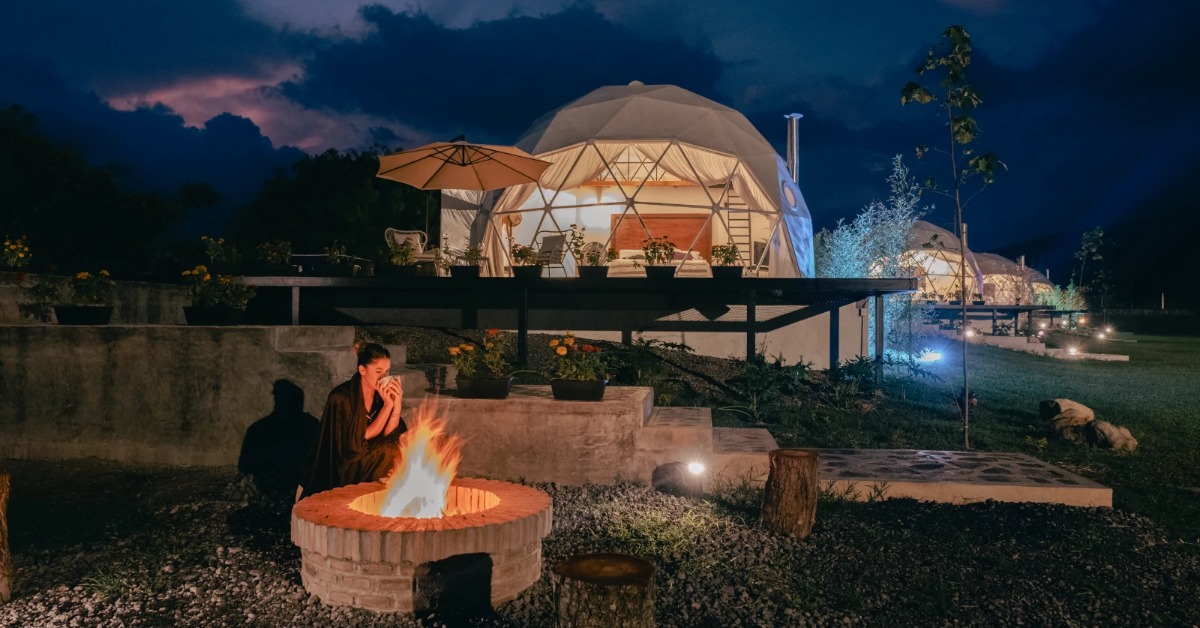
Southern Nayarit is seeing a rise in small rural stays, with cabins, glamping sites, and camping areas gaining ground outside the state’s better-known beach corridors. The growth points to stronger domestic travel and new income for communities, but it also raises practical questions. As more travelers look inland for nature, food, hiking, and quieter towns, local services and environmental rules may become as important as the lodging itself.
Rural stays are expanding in southern Nayarit
Tourism lodging in southern Nayarit has grown between 30% and 40% over the past year, according to Georgina Ocampo, president of the Asociación Civil de Hoteles y Moteles del Sur de Nayarit.
The growth is tied mostly to small lodging projects. These include cabins, glamping sites, and camping areas, rather than large beach hotels or resort-style developments.
Ocampo said the trend reflects a visitor profile looking for nature, rural communities, and local culture. The lodging growth is also tied to domestic travel. Seven in 10 tourists staying in the region are Mexican travelers, according to the figures cited by Ocampo.
The area discussed is southern Nayarit, not the coastal strip often marketed as Riviera Nayarit. Communities named in the regional discussion include Ahuacatlán, Amatlán de Cañas, Ixtlán del Río, Jala, San Pedro Lagunillas, and Santa María del Oro.
Growth beyond the beach corridor
For foreign residents in Puerto Vallarta and Bahía de Banderas, the story is partly about what is happening beyond the coast. Southern Nayarit has towns, lagoons, mountain areas, rivers, food routes, and hiking areas that sit outside the usual beach-hotel model.
Tourism materials for the state already promote routes through places such as Santa María del Oro, Ahuacatlán, and San Pedro Lagunillas. Activities listed for those routes include guided town visits, swimming, hiking, scenic viewpoints, food stops, and craft sales.
That helps explain why smaller lodging can grow in areas that do not depend on beachfront access. A cabin near a lagoon, a camping area near a trail, or a glamping site near a rural town can serve visitors who want a shorter nature trip.
This model can create income for families and small service providers. It can also spread tourism money into communities that have not been part of the large resort economy.
Services and regulation are the next pressure points
The same growth brings questions about whether local systems are ready. More rural lodging can increase demand for roads, water, waste collection, safety planning, food services, and basic visitor information.
Environmental care is also a concern. Nature tourism depends on clean rivers, trails, lagoons, and rural settings. If lodging grows without clear standards, the same places attracting visitors can face pressure from trash, wastewater, traffic, and informal development.
State tourism officials have already begun work on trail standards. In 2025, Nayarit began a state system to standardize some official trails with signage, suitable infrastructure, and evacuation routes.
Santa María del Oro also installed a municipal tourism advisory council in 2025. The council was described as a space for the public, private, and social sectors to coordinate tourism activities and address service providers’ needs.
Those steps suggest the discussion is moving beyond promotion. The issue now is whether small tourism growth can be managed before it becomes harder to control.
A different kind of tourism test
The increase in cabins, glamping, and camping does not mean southern Nayarit is becoming a major resort zone. The reported growth points to a different kind of tourism, built around smaller stays and shorter domestic trips.
That can benefit towns if visitors spend locally and if businesses follow clear rules. It can create problems if services lag behind demand or if environmental safeguards are treated as optional.
For now, the growth shows that southern Nayarit’s tourism economy is widening. The question is whether local planning can keep pace with the new lodging model.