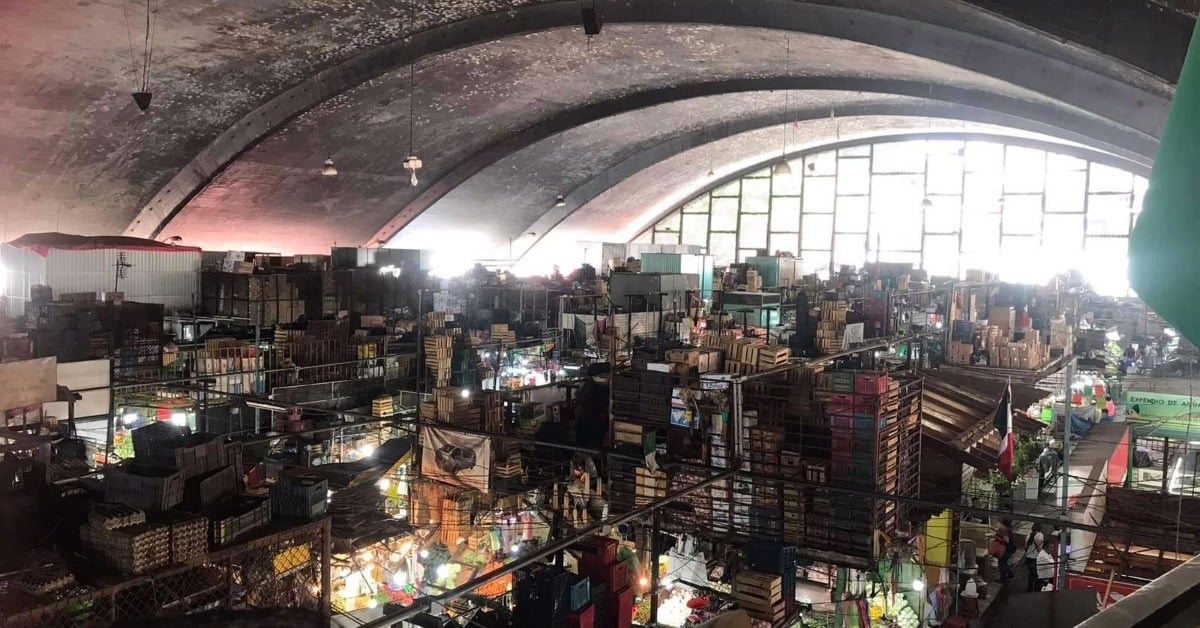
Cuernavaca’s traditional neighborhood markets are running at roughly 50 percent capacity, according to local reporting this week. That means fewer open stalls, thinner offerings, and less traffic for the vendors who keep these spaces alive. The picture isn’t uniform, but it is stark.
Only two markets buck the trend. Buena Vista and Lomas de la Selva are described as operating close to full capacity—outliers in a system that is otherwise lagging. Sellers elsewhere point to two main pain points: infrastructure that doesn’t keep up and customer demand that hasn’t returned.
Two markets show what’s possible
Buena Vista and Lomas de la Selva stand out because they are nearly full. That matters beyond bragging rights. A market with most stalls open creates its own gravity. More options pull more shoppers. More shoppers sustain more stalls. Success becomes a loop that feeds itself.
The contrast is instructive. If two markets can fill up, the model isn’t broken. It’s uneven. The gaps lie in the basics: buildings that need attention, utilities that must be reliable, and a daily demand strong enough to make opening a shop worth it.
Why stalls stay empty
Merchants cite infrastructure problems first. Markets are physical places. Roofs leak. Floors crack. Lighting fails. Water and sanitation need constant care. When those basics falter, shoppers leave faster and vendors think twice about returning. The second factor is demand: without predictable foot traffic, even a well-kept stall struggles to make the numbers pencil out. Both forces reinforce each other.
The upshot is a confidence problem. When buyers expect fewer choices, they plan their day around other options. When sellers expect soft sales, they stay closed. Breaking that loop takes visible fixes and a reason for people to come back tomorrow, not next month.
What this means for everyday shoppers
For families who rely on neighborhood markets, half capacity can mean longer trips for staples and fewer fresh choices nearby. It can also mean higher prices at convenience stores around the corner. The social side matters too. Markets are meeting places—small publics where neighbors run into each other and news travels as fast as the steam from a comal. When stalls go dark, civic life dims.
Yet the path forward isn’t abstract. Markets that are full today show that steady maintenance and dependable crowds are achievable. If basic repairs are visible and opening hours remain predictable, shoppers will rebuild the habit of buying local.
The bigger picture for local commerce
Traditional markets compete with supermarkets and apps, but they also offer what those channels can’t easily replicate: freshness you can see, quick conversation with the person who sourced your chile or cut your meat, and prices that make sense when budgets are tight. Keeping these spaces vibrant isn’t nostalgia; it’s a practical investment in a city’s everyday economy.
For now, the headline holds. Neighborhood markets across Cuernavaca are underused, with two bright spots near full tilt. The question is whether the city and its communities can turn those exceptions into the norm—and how fast that shift can start.