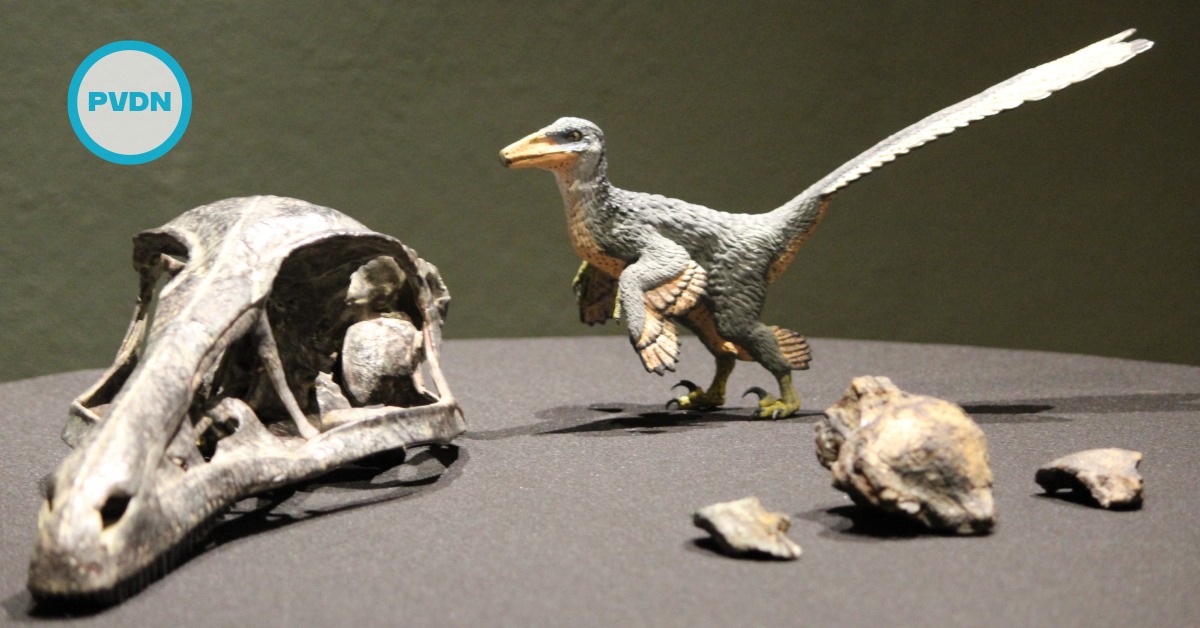
A chunk of fossilized skull from the desert outside Saltillo has turned into something bigger: a new dinosaur name on Mexico’s map. Xenovenator espinosai lived when Coahuila sat on the edge of an inland sea, and its head seems to be built differently from that of most bird-like predators. Researchers say the bones are unusually thick, raising an intriguing question about how this animal lived—and how it fought. The find is also a reminder that northern Mexico’s badlands still hold surprises.
A new predator from Coahuila’s Late Cretaceous
Researchers working with fossils from Coahuila have identified a previously unknown dinosaur, Xenovenator espinosai, from rocks dated to roughly 74 million years ago, near the end of the age of dinosaurs. The remains come from the Cerro del Pueblo Formation, a fossil-rich sedimentary formation that has helped make the state one of Mexico’s most important windows into the Late Cretaceous.
Xenovenator belonged to the troodontids, a group of agile, bird-like predators known for sharp senses and relatively large brains compared with many other dinosaurs. Based on comparisons with related species, the animal is estimated to have measured a little over 3 meters long, placing it toward the larger end of its family.
The skull that changed the story
What makes Xenovenator stand out is not a claw or a tooth, but the top of its head. The key fossils include an unusually well-preserved braincase and parts of the skull roof, which were studied with CT scanning to reveal internal structure and seams between bones. Those details mattered because they helped researchers determine they were looking at a new species rather than a variation of something already known.
The skull roof appears strongly thickened and domed, with a rugged texture and tightly interlocking sutures. That combination has led scientists to propose a bold possibility: this dinosaur may have used its head in combat against others of its own kind, a behavior more famously associated with dome-headed dinosaurs, not with sleek, bird-like hunters.
Why the discovery matters in Mexico
New dinosaur names are not just museum trivia; they reshape maps of ancient life. A troodontid with these traits in Coahuila adds another piece to the picture of how dinosaur populations diversified across what was then a patchwork of coastal plains, river systems, and inland shorelines in North America’s south.
It also underlines something locals have been saying for years: Coahuila still has chapters left to read. Many expats living in Mexico know the state for its deserts, wine country, and wide-open drives, but its paleontology is part of the same landscape story. Institutions in Saltillo and the surrounding region have been building collections that turn scattered field finds into a deeper, better-documented record—one that keeps producing surprises when older specimens are revisited with newer tools.