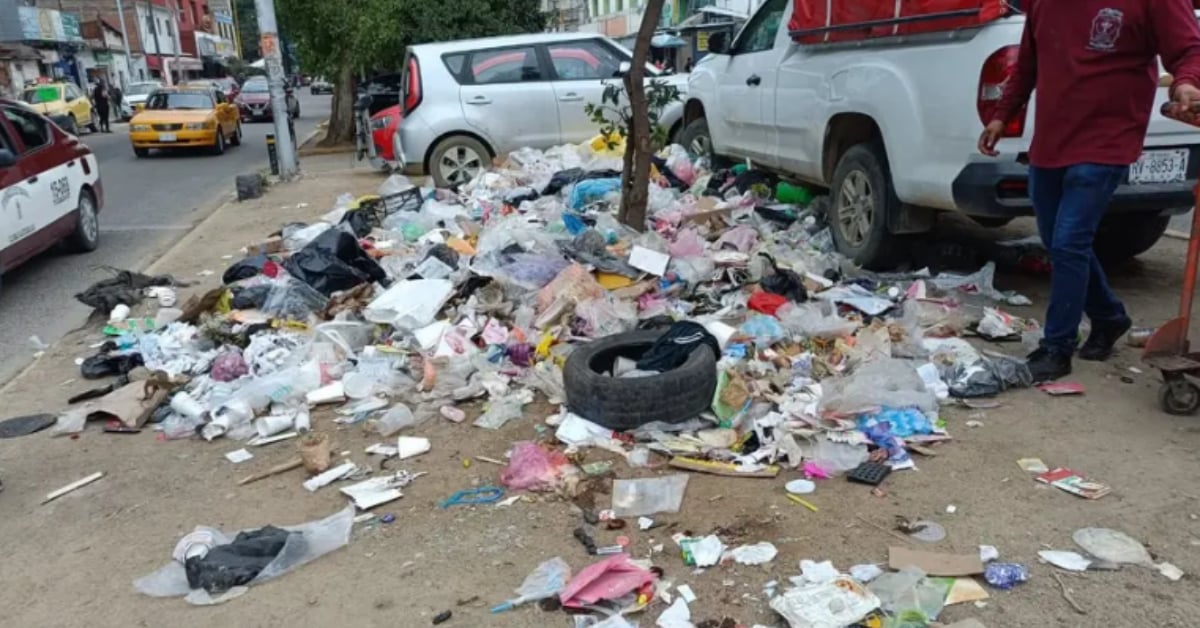
Local authorities in Oaxaca de Juárez are calling on residents to stop dumping waste on the Periférico median after social media exposures revealed trash piling up and clogging drainage systems.
Residents of Oaxaca de Juárez are facing mounting pressure from the municipal government to change their waste‑disposal habits after a recent social‑media campaign exposed the widespread practice of dumping garbage on the central median of Periférico Avenue. The Neighborhood Services Department used images and videos posted online to show how bags of household trash, handed off to homeless individuals or informal collectors, ended up scattered across public spaces rather than in official collection routes.
Authorities stress that while residents may believe they are helping by paying ten pesos per bag, the reality is that this trash simply relocates to places like the DIF bridge in Miguel Alemán, Aldama Street, Berriozábal Street, Mario Pérez, the Valerio Trujano bridge, and various roads in the Reforma neighborhood. What begins as a “quick fix” has turned into blockages in sewers, littered streets, and polluted drainage channels—especially problematic during the rainy season, when runoff carries debris into local rivers and streams.
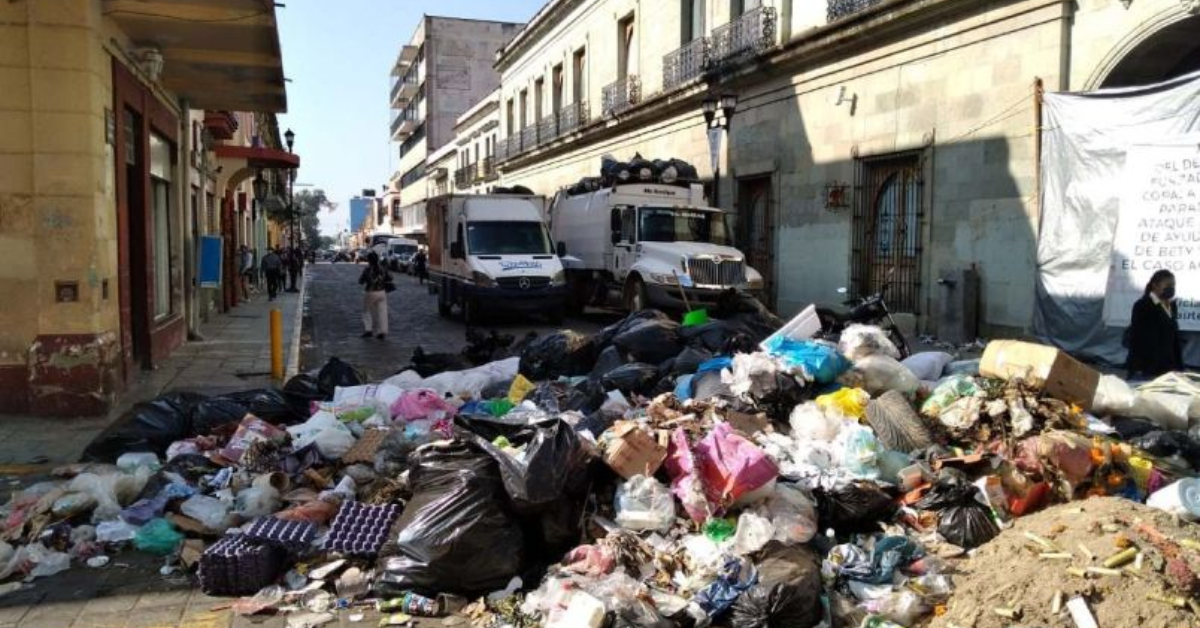
Dumping waste on Periférico median
Municipal crews dispatched a community services team to clear the affected areas and speak directly with residents and merchants about the pollution risks posed by this shortcut. Dredging work in key sections of the drainage system has revealed that most of the obstructions are tied to plastic bags filled with household refuse. “Garbage doesn’t disappear when you hand it off,” warned a department spokesperson. “It ends up where the sanitation service isn’t expecting it—and then nobody collects it.”
The environmental fallout goes beyond unsightly sidewalks. Uncollected waste breeds flies, rats, and cockroaches—vectors linked to dengue fever, leptospirosis, and gastrointestinal infections. The ongoing accumulation has also created foul odors that tarnish the city’s image and threaten tourism, a cornerstone of Oaxaca’s economy.
By law, littering in public spaces carries penalties under the Municipal Waste Cleaning and Collection Regulations. First‑time offenders can face fines exceeding 3,800 pesos, community service, or even up to 36 hours of detention for repeat violations. Yet environmental experts argue that punitive measures alone won’t solve the problem. They call for robust education campaigns, better access to proper waste bins, and active civic participation in reporting incivility.
According to Víctor Romero López, Secretary of Municipal Services, Oaxaca’s daily garbage transfer to the Xoxocotlán center totals between 480 and 520 tons—an average of 1.92 kg per person each day. With accurate sorting and reduced generation, officials estimate that the daily per‑capita volume could drop below one kilogram. Over a week, that difference means more than 13 kg of waste avoided through recycling and composting programs.
To address the crisis, the city launched the Tira Paro, No Basura campaign. This initiative aims to cultivate a sense of shared responsibility for keeping public spaces tidy, reinforcing steps already underway since the current administration took office. Key elements include:
- Public outreach: Workshops in neighborhoods most affected by illegal dumping
- Improved infrastructure: Installation of secure, permanent trash containers along major thoroughfares
- Community reporting: A hotline and mobile app for residents to report dumping sites in real time
- School partnerships: Educational modules on waste separation and recycling
Municipal officials believe that combining enforcement with education will encourage residents and businesses around Central de Abasto to adopt safer, cleaner disposal methods. “A clean city is a healthy city,” said Romero López. “We’re counting on every citizen to play a part—whether that means using the right bins, separating recyclables, or simply speaking up when they see someone tossing trash where it shouldn’t go.”
The success of Tira Paro, No Basura will be measured in reduced blockages, fewer sanitation calls, and a visible drop in roadside litter. With ongoing rains forecast for the coming weeks, the city’s drainage network will face its biggest test yet. Officials hope that by tackling the root causes of illegal dumping now, they can prevent flooding, protect public health, and preserve Oaxaca de Juárez’s reputation as one of Mexico’s most vibrant—and clean—urban centers.
Oaxaca de Juárez, Periférico Avenue, waste management, environmental health, civic awareness, Tira Paro No Basura