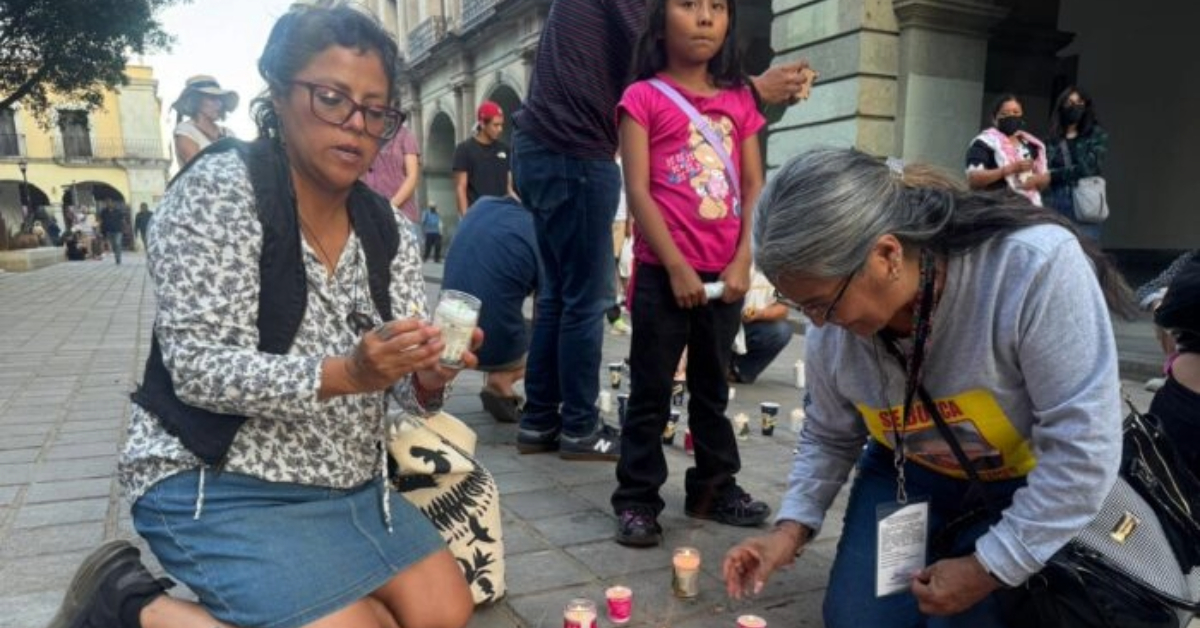
At least 900 women aged 12 to 29 have vanished in Oaxaca since 2022 according to dozens of collectives and civil associations.
At least 900 women aged 12 to 29 have gone missing in Oaxaca since 2022, warn dozens of civil collectives and associations. They point to a deep gap in protection for young people, who face daily violence on the streets, criminalization, and disappearances. This chronic risk undermines their physical safety, mental health, family life and social ties.
Groups from across the state joined a joint statement to sound the alarm. They include Colectivos Chatino, Diálogos, the Oaxacan Network of Indigenous Women Braiding Knowledge, the Oaxacan Network for HIV (ROVIH), Kanda International Solidarity, University Services and Knowledge Networks in Oaxaca (SURCO), Abrazaditas, Ñuu Savi Voices, the Autonomous Communal University of Huitepec, the Institute of Educational Sciences (ICE UABJO) and Marea Verde Mixteca. Together, they stress the urgency of action to protect young women and gender‑diverse youth.
The Consortium for Parliamentary Dialogue and Equity in Oaxaca confirms these figures under the current government. Most of the 900-plus cases remain unresolved. Families face slow courts, repeated questioning that reopens wounds and a justice system lacking gender‑sensitive protocols. Many relatives report being treated as suspects rather than victims, adding institutional re‑victimization to their grief.
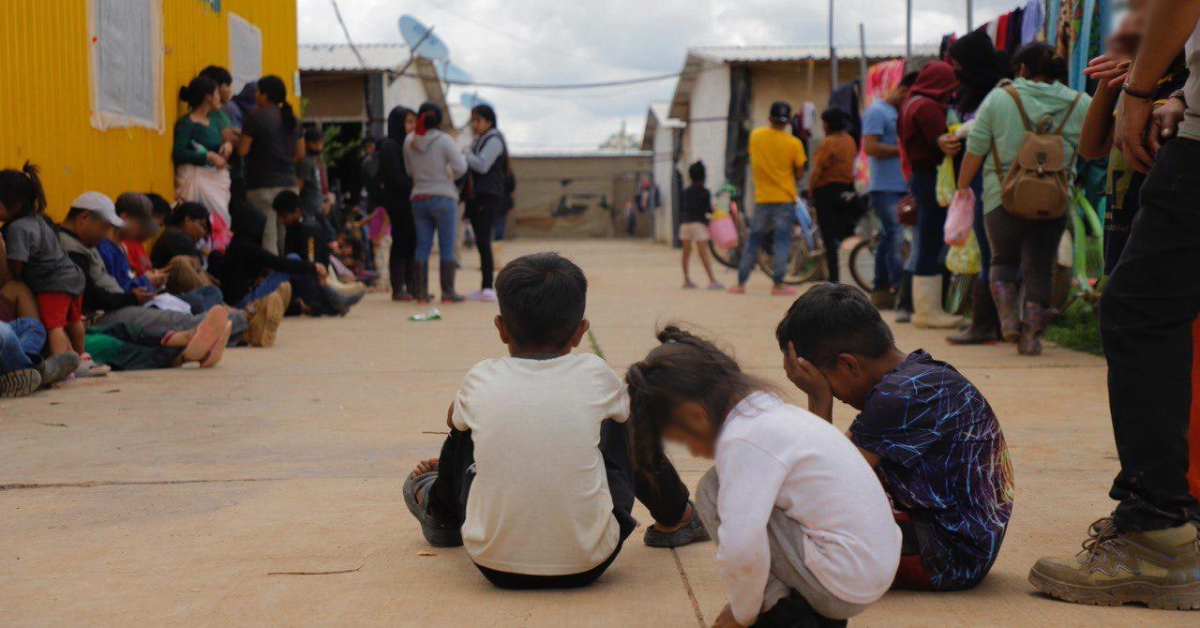
Oaxaca youth disappearances highlight vulnerable communities
Indigenous and Afro‑Mexican youth confront constant linguistic bias and territorial dispossession. Their culture, work and traditions often go unseen or are reduced to stereotypes. When a young woman from these communities disappears, her case may be dismissed as a voluntary absence rather than a crime, leaving families without leads.
Gender‑diverse youth—trans, non‑binary, lesbian and gay—face open hostility at home and in public. Excluded from formal jobs and education, many enter informal or sex work early just to survive. This path heightens their exposure to violence and the risk of disappearance.
Signatory collectives demand the Oaxaca government craft intersectional public policies with genuine youth input. They call for forums that include urban and rural voices, Afro‑descendant and indigenous perspectives, migrants, people with disabilities and gender‑diverse youth. They want protocols that reflect the real experiences of all young people, rather than one‑size‑fits‑all measures.
They also press for guarantees of accessibility and inclusion for youth with disabilities. Young people with physical or mental impairments must have equal access to shelters, reporting tools and support services. Without these steps, disabled youth remain locked out of safety nets in crisis moments.
Environmental and climate policies must also include young defenders of territory and water. The groups urge the state to give youth a seat at the table in planning projects that affect their lands and resources. By recognizing young people in all their diversity as community guardians, the government can build trust—and reduce the factors that fuel violence.
The collectives warn that disappearances will climb unless the state moves from pledges to action. They plan to monitor any new policies, demand regular public updates and hold officials to account. “Young people deserve to live without fear,” they say, “and to see their rights defended.”
Oaxaca, disappearances, youth, gender-based violence, women’s rights, indigenous rights, public policy