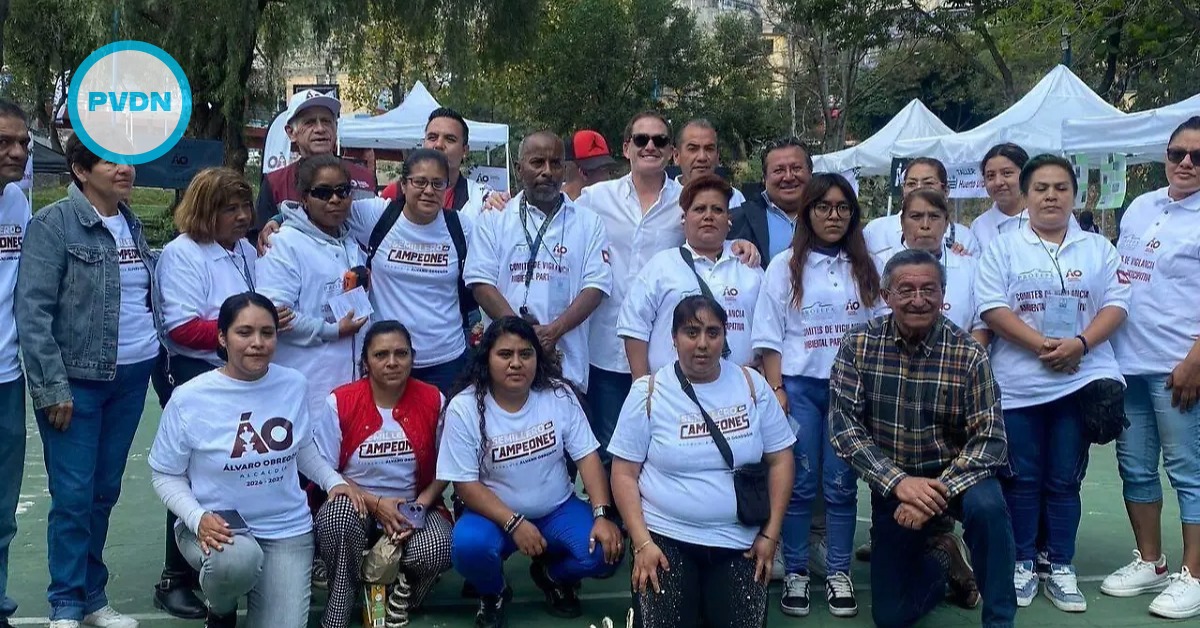
Once a trash-strewn ravine, Ojo de Agua park in Álvaro Obregón now reopens as a cleaned spring and shared green space for neighbors.
After years as an illegal dumping ground, a small ravine in Lomas de Becerra is flowing clear again. On 7 December, the borough of Álvaro Obregón officially reopened the Ojo de Agua park, turning what had been a trash-filled lot into a community green space built around a natural spring.
The project focused on clearing rubbish from the creek that gives the park its name, stopping grey-water discharges and restoring the vegetation that lines the stream. Borough authorities say the aim is to leave a compact but usable park where residents can rest near the water, meet their neighbors and take part in environmental education activities.
The reopening took place during a community environmental fair that brought together neighborhood groups, academic institutions and local officials. As part of the event, the borough presented volunteers from new community environmental surveillance committees, endorsed by the federal environmental prosecutor, who will help watch over the ravine and report any new dumping or damage.
From illegal dump to living classroom
For years, Ojo de Agua was officially listed as a park but functioned more like a back alley. Borough officials acknowledge that the steep area beside the Becerra reservoir had been abandoned and used for irregular dumping, with household waste scattered in and around the spring and stream bed.
That changed after an inspection tour of the Becerra reservoir on 13 April, when the borough’s urban services team documented accumulated trash, grey-water runoff and a deteriorated ecosystem around the spring. The visit triggered a clean-up that removed waste from the ravine and set in motion the rehabilitation project inaugurated this weekend.
In recent months, Álvaro Obregón has reported removing more than 4,000 tonnes of waste from presas and barrancas across the borough, part of a broader effort to reduce illegal dumping and landslide risk in its ravines. Ojo de Agua is one of the most visible sites to benefit from that work, because the spring feeds surface water that neighbors see — and smell — every day.
Officials now describe the rehabilitated space as a place where residents can spend time near the water, sit in the shade and join workshops or talks about caring for local ecosystems. The borough says it wants to use the site as a model for how cleaning a ravine can also build a sense of shared responsibility for keeping trash out of local waterways and public spaces.
Ojo de Agua park as a test case
The reopening also fits into a wider strategy to rescue rivers and ravines in western Mexico City. The city government has launched a multi-year plan to clean and restore 26 barrancas, many of them in Álvaro Obregón, covering roughly 1,000 hectares of green space. Within that framework, the borough frames the Ojo de Agua work as part of its 2024–2027 government program on water, forests and ravines.
In that plan, ravines are treated not only as drainage channels but as potential public spaces and ecological buffers. Cleaning debris, stopping sewage leaks and revegetating slopes are meant to reduce flood risk, improve water quality and cool surrounding neighborhoods, while also opening pockets of nature close to where people live.
Winning back small parks like Ojo de Agua matters in a city that still struggles to offer enough green space. Studies cited by environmental groups put Mexico City’s accessible public green areas at around six square meters per resident. Official inventories that include a wider set of the vegetated regions raise the figure to about 7.5 square meters, but they reach the same conclusion: residents need more nearby trees, shade and quiet corners.
That shortage is evident in hillside neighborhoods like Lomas de Becerra, where steep streets and dense housing leave little room for new plazas or large sports fields. Turning degraded ravines into safe parks is one of the few ways local governments can add green space without sacrificing already-built community facilities.
Borough officials also stress that keeping Ojo de Agua clean will depend on what happens after the ribbon-cutting. Environmental surveillance committees made up of residents are supposed to keep an eye on dumping and coordinate with inspectors, while recurring events such as the environmental fair are meant to keep the spring in people’s minds as a shared asset, not a forgotten back lot.
For now, the message to neighbors is simple: a place that once swallowed bags of trash is again a spot where clear water emerges from the ground. In a borough crisscrossed by polluted ravines, that change at a single spring is modest. But for the families who live near the park, and for the crews who hauled thousands of tonnes of waste out of local presas, it is a concrete signal that recovery is possible — and that community participation will decide whether it lasts.