Mexico City’s Operativo Perrito Peregrino mobilizes volunteers and foster homes to protect dogs left behind on Guadalupe pilgrimage routes.
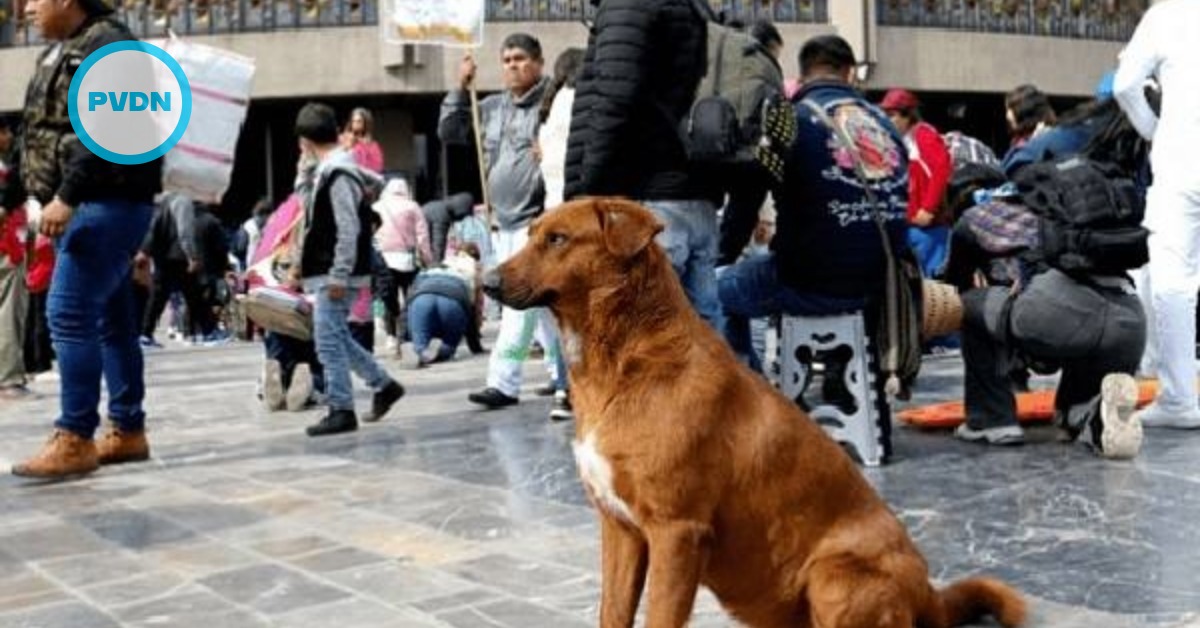
Pilgrims have already begun to arrive at the Basilica of Guadalupe, many after days of walking and camping along roads into northern Mexico City. Among the crowds, dogs trot between makeshift camps and sleeping mats, some brought from home, others joining processions along the way. When the festivities end, not all of those animals leave with a family.
To confront that reality, the city’s Animal Care Agency is launching Operativo Perrito Peregrino from 8 to 13 December in the atrium and surrounding streets of the Basilica, in the Gustavo A. Madero borough. The campaign’s goal is simple but ambitious: keep dogs from being abandoned during the Guadalupe pilgrimage and provide a safe path for those already left behind into foster and permanent homes.
Operativo Perrito Peregrino protects dogs on the route
During the operation, AGATAN teams and volunteers will patrol the main access routes, especially at night and in the early morning, when many groups arrive walking. They will offer water, food and basic veterinary checks to dogs that appear injured, exhausted or clearly without a caretaker. When necessary, animals can be transported to city-run veterinary facilities or temporary shelters for more intensive care.
Residents who want to help are being asked to sign up as foster families, night-route companions or drivers who can assist with safe transport. Others may prefer to donate food or support adoption campaigns, sharing profiles of rescued dogs until they find permanent homes. The idea is to build a network that can respond quickly during the busiest days around 12 December, when pilgrimage traffic reaches its peak.
Registration for volunteers is being collected by email, with AGATAN using a central list to coordinate tasks and shifts. People are asked to send their name, age, borough of residence and a brief note saying they want to participate in the operation. From there, staff follow up with information about meeting points, safety guidelines and the type of support most needed each day, whether that is walking dogs already in government care or helping care for animals in temporary homes.
Behind the campaign is a problem that animal advocates and city authorities have watched for years. Unofficial estimates suggest that between 100 and 200 dogs are abandoned each year in the area around the Basilica during the December festivities. Some arrive with groups and are not taken back home. Others are street dogs that follow caravans for kilometers, then become separated from the people they trailed as the crowds thicken near the shrine.
Last year, the city deployed a mobile veterinary unit around the Basilica for the Guadalupe festivities and reported caring for more than 70 “perros peregrinos.” Many received food, water and medical attention; a smaller group, especially older dogs or those in worse condition, were moved to public veterinary hospitals and local clinics for longer-term care. From there, officials and rescue groups began adoption campaigns to place dogs like Hunter, Pelos, Cacahuate and Tamarindo with new families.
The new operation builds on that experience, but adds a formal call for volunteers and foster homes from the start of the pilgrimage period. It also sits alongside the wider “Operativo Basílica,” which coordinates safety, transport and medical services for the human side of the pilgrimage. Authorities expect more than 12 million visitors across the first half of December, a scale that makes it harder to spot every dog in trouble unless residents help watch for them.
From faith to responsibility in Mexico City
AGATAN has framed the campaign as a question of coherence between faith and everyday ethics. Officials stress that devotion to the Virgin of Guadalupe cannot be separated from compassion for living beings, especially those that depend on humans for safety and care. Leaving an animal behind in the noise and chaos around the Basilica is not just an act of neglect toward a single dog; it also adds to public health and safety problems when more animals end up living on the streets.
The agency has repeated the same basic recommendations it has pushed in recent years. If possible, do not bring companion animals on the pilgrimage so that they can stay safe at home. If a dog approaches a group along the way, walkers are urged to offer food and water and to alert animal authorities if the animal appears clearly abandoned or injured. Anyone who travels with a dog is asked to plan the round trip with that animal in mind, making sure it can return home safely with the group.
At the same time, Operativo Perrito Peregrino gives people who are not making the pilgrimage a way to help. A family that cannot adopt permanently might host a dog for a few weeks while it recovers. Someone with a car might drive animals from the Basilica area to clinics or shelters. Others may support adoption events or share information on social media to make rescued dogs visible to potential adopters across the city.
For the dogs themselves, the difference is stark. In past years, many so-called “perritos peregrinos” reached the Basilica with injured paws or respiratory infections after walking long distances, then faced the risk of hunger, disease and traffic once the crowds dispersed. With the new operation in place, those animals stand a better chance of being seen, treated and matched with people ready to care for them.
As the 8–13 December campaign begins, the message from city animal authorities is direct. The pilgrimage is one of Mexico’s biggest expressions of shared faith, drawing millions to the hill of Tepeyac each year. This year, they want that devotion reflected not only in prayers and offerings but also in how people treat the dogs that walk beside them.