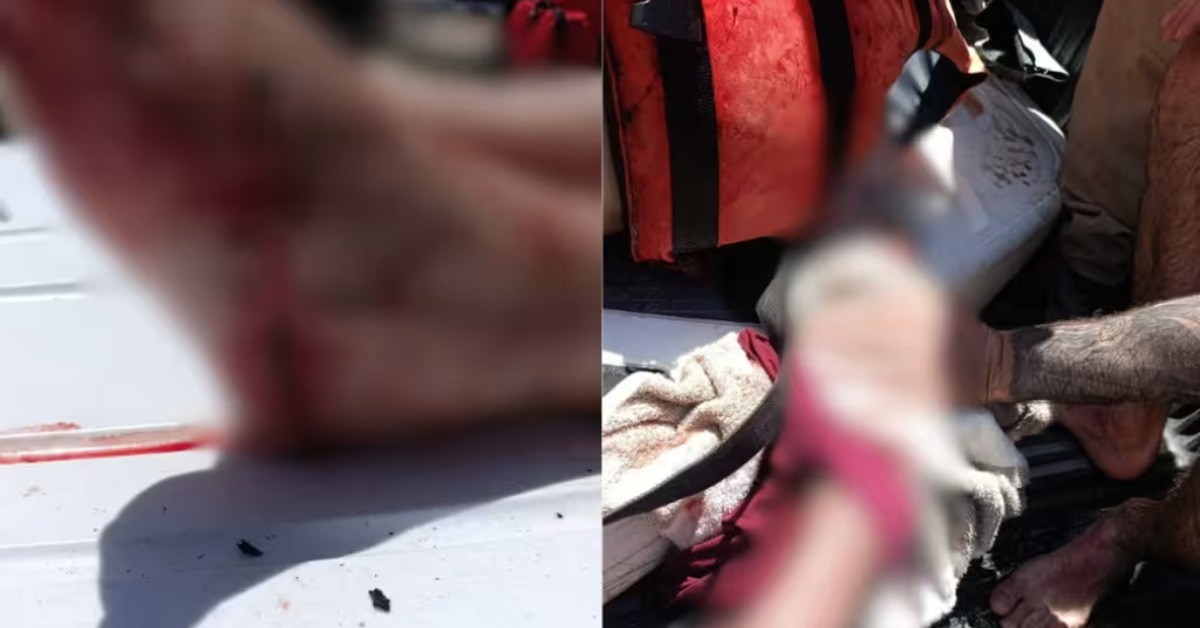
A visit to one of Tulum’s known cenotes ended with an emergency response after a tourist was bitten by “Panchito,” the crocodile long associated with Casa Cenote. Early accounts said the man may have been foreign. Later reports identified him as a 75-year-old French visitor. The incident has renewed attention on a simple point often lost in tourist settings: even familiar wildlife remains wild.
Tourist hospitalized after bite at Casa Cenote
A 75-year-old French tourist was injured after being bitten by a crocodile at Casa Cenote in Tulum’s Tankah area.
The cenote, also known as Cenote Manatí, is a popular stop for swimming, snorkeling, kayaking, and diving. It is also known for a resident crocodile called “Panchito,” which has often been seen by visitors in the water.
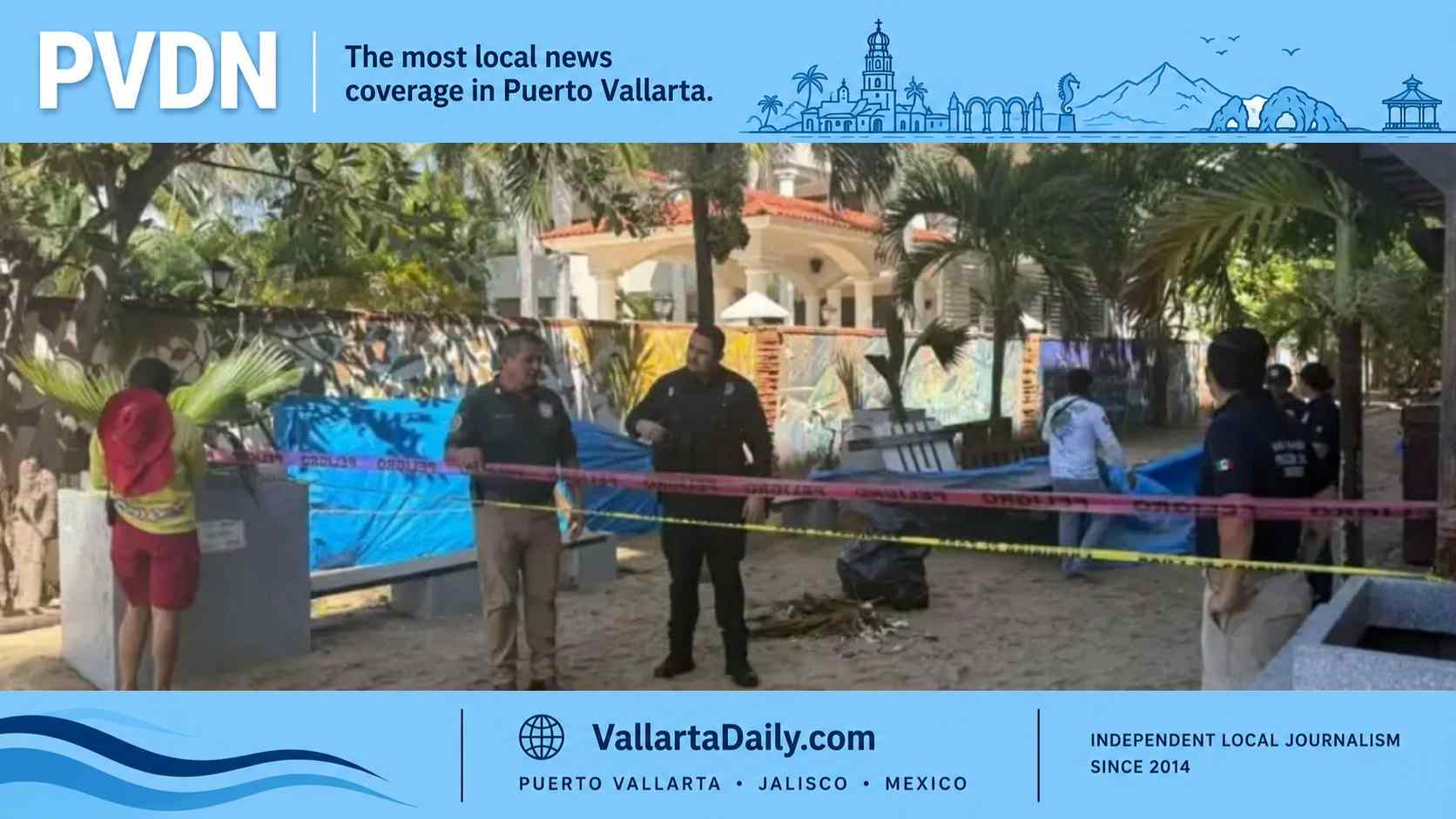
Emergency responders were called to the site after the bite. The man received prehospital care and was taken to a private hospital for further treatment.
Later accounts citing local emergency information said the visitor had an avulsive wound on his left arm and injuries to both ankles. He was reported in stable condition after being transferred for medical care.
Witness accounts point to interaction with the crocodile
Witness accounts said the crocodile may have reacted after people tried to interact with it. Some versions said visitors had been throwing stones to get the animal’s attention. Another account said the tourist tried to get close to the reptile before the bite.
Those details have not all been confirmed by authorities. The confirmed point is that the man was hurt after contact with a crocodile in a natural water setting.
The case has drawn attention because some visitors have treated Panchito as part of the cenote experience. That familiarity can create a false sense of safety.
A crocodile may become used to people nearby, but that does not make it tame. It remains a predator with natural instincts, especially when approached, touched, fed, crowded, or disturbed.
Casa Cenote’s wildlife is part of the attraction and the risk
Casa Cenote sits in a coastal ecosystem where freshwater, mangrove habitat, and wildlife meet. That setting is part of what attracts visitors to the area.
It also means tourists are entering a living habitat, not a controlled pool. The presence of a crocodile should change how visitors behave in the water.
People should keep a distance from crocodiles, avoid feeding them, and leave the water if one comes too close. Visitors should never throw objects, try to touch the animal, or pose for photos near it.
For expats and travelers in Mexico, the rule is simple. If wildlife is present, give it space and let guides or site staff manage the situation.
Incident raises questions about visitor behavior
The incident may also raise questions for tour operators and site managers. When a wild animal becomes a tourist attraction, visitors can start treating risk as entertainment.
Clear signs, staff warnings, and firm rules can help reduce that problem. Still, visitor behavior remains a major part of safety.
Crocodiles in Mexico are protected wildlife. Their role in coastal and wetland ecosystems extends beyond tourism or photo opportunities.
The bite at Casa Cenote is a reminder that close contact with wild animals can put both people and animals at risk. In many cases, the best safety measure is also the simplest: keep a distance and do not interfere.