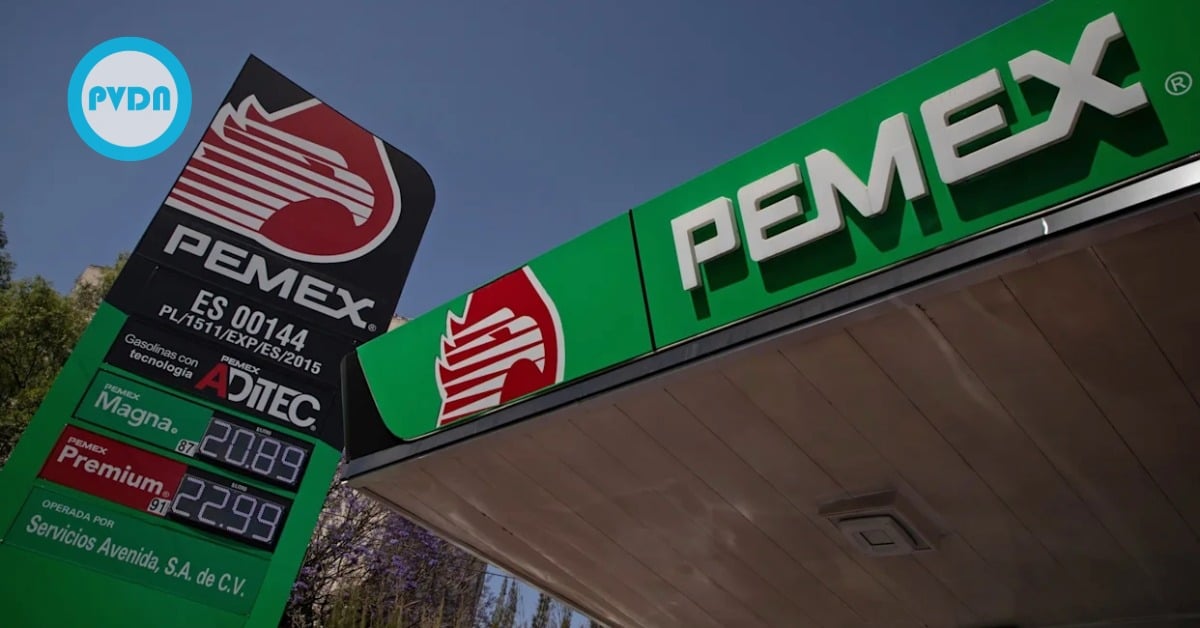
Mexico tapped Europe’s bond market with a three-part offer of up to €5 billion, sending a clear message that federal support for Pemex is intact. Proceeds will help finance a large bond buyback at the state oil firm. Investors, rating agencies, and taxpayers are now watching the trade-offs: short-term relief versus long-term fiscal pressure. We unpack what the deal funds, how it fits into this year’s rescue architecture, and the risks markets still price in—without the jargon, and with the numbers that matter.
Mexico launched a three-tranche eurobond sale worth up to €5 billion to shore up Pemex’s balance sheet and finance liability-management operations at the state oil company. The deal comes in 4-, 8- and 12-year notes and is framed by officials as part of a broader plan to steady an indebted national champion without derailing the public finances.
The offer’s stated use of proceeds is twofold: general government purposes and a capital contribution to Pemex, which will direct the funds to repay, redeem, and repurchase outstanding bonds. The size split—€2.25B (4-year), €1.5B (8-year), and €1.25B (12-year)—tracks investor talk reported by IFR and wire services. In parallel, Pemex has an active up to US$9.9B cash tender for several bond lines—a pressure valve for near-term maturities and interest costs.
Pemex eurobond sale
This deal does not appear from thin air. It lands after months of measures meant to stabilize Pemex, whose financial burden—including one of the most enormous corporate debt piles in emerging markets—has weighed on Mexico’s broader fiscal story. El País reported the eurobond is explicitly linked to the ongoing buyback and noted the government’s determination to keep support flowing even as markets scrutinize the deficit path.
Why the bond matters now
The government’s 2026 budget blueprint signals a narrower deficit next year while still penciling in significant support for Pemex debt service—hundreds of billions of pesos—underscoring how central the company remains to Mexico’s fiscal arithmetic. Markets will judge whether today’s financing reduces rollover risk without crowding out other priorities.
Since mid-year, authorities have layered tools: a July operation raised about US$12 billion via structures designed to back Pemex without stacking new liabilities directly on the company’s balance sheet; rating agencies flagged the plan as a potential credit positive if it meaningfully cuts short-term risk. Today’s euro-denominated funding plugs into that architecture by supplying cash for the bond tender and related buybacks.
Risks and the market view
The hard part is durability. Pemex still faces high leverage, operational challenges, and reported arrears with suppliers, even as federal support lowers immediate refinancing stress. Investors have rewarded credible steps—Pemex bonds rallied on July’s announcement—but long-term confidence hinges on sustained production and cash-flow gains, not rescue after rescue.
Final pricing and allocations will show how much demand Mexico cleared across each tenor and what it cost to borrow in euros relative to dollars. The timeline for Pemex’s tender—withdrawal and expiration windows, settlement dates, will determine how quickly the new money translates into lower gross debt and interest expense. Eyes also turn to Congress’s budget debate and any follow-on liability management that further reduces peak maturities in 2025–2026.