Across Michoacán, seniors are reporting a steady wave of pension theft. Many cases never reach prosecutors because the suspect is a relative, the person who should be helping with daily tasks and ATM runs. Authorities now log one to two fresh complaints every day, and the state prosecutor tracks additional crimes at cash machines. This report explains how the thefts happen, why family cases stall, and what steps victims and caregivers can take today to recover accounts and cut off abusers, without losing access to vital benefits.
Pension theft in Michoacán
The official who defends seniors’ rights in the state says the most common complaint is the theft, retention, or seizure of the card that receives the federal Bienestar pension. He estimates that one to two new cases occur every day, and believes that municipal authorities detect a similar number. More than half of the reported card seizures are carried out by relatives. That family link often keeps victims from filing a formal complaint.
The pattern is not new. Earlier this summer, the same office warned that family members and co-residents are the primary aggressors in crimes against older adults, ranging from neglect to direct theft of assets.
How the thefts happen
Outside bank branches and ATMs, seniors face a different threat. State prosecutors say criminals watch for older users, offer “help,” learn the PIN, and swap the card, leaving the victim with a useless plastic while the real card gets drained. The office reports about 23 complaints a month tied to these ATM schemes.
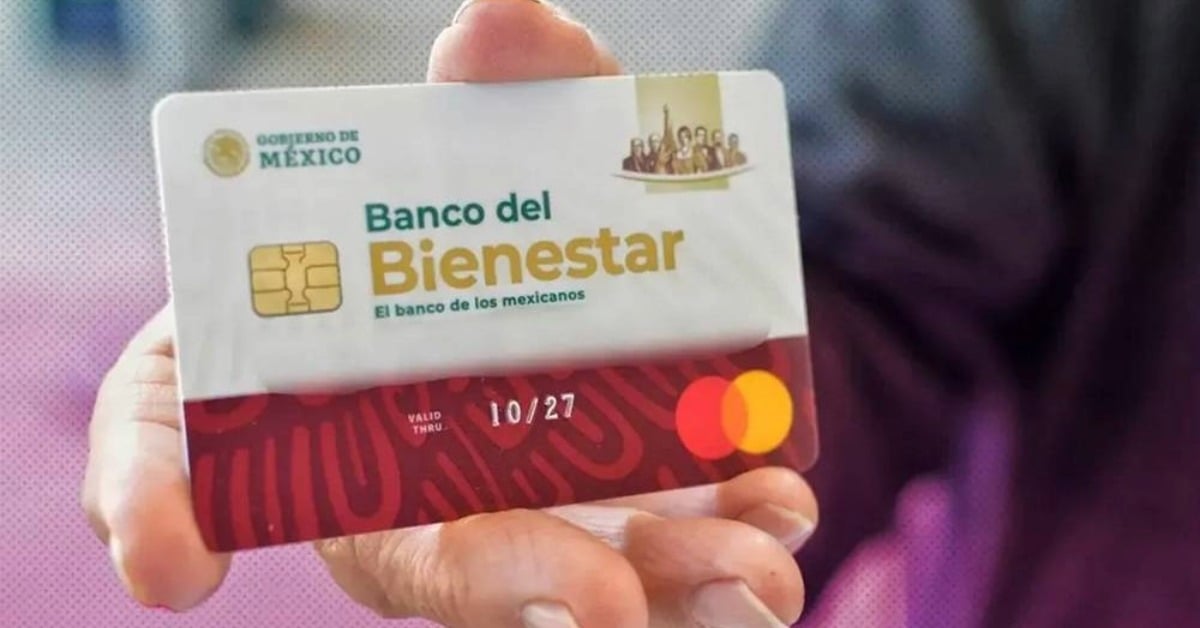
The risk is higher around Banco del Bienestar locations on payout days, when lines grow and people carry fresh deposits. Program guidance confirms that benefits are paid to a dedicated card, which can be used at ATMs and terminals nationwide.
Why family cases rarely advance
When the person taking the card is a son, daughter, or partner, victims often refuse to press charges. Officials say this reluctance limits the number of cases that make it to prosecutors, even as everyday complaints keep coming in. Shame, dependence, and fear of losing caregiving support all play a role.
Economic abuse of older adults is a recognized public-health problem in Mexico. National survey data show economic violence among women 60 and older is a measurable reality, underscoring the scale of vulnerability at home.
What victims can do now
If a Bienestar card is stolen or withheld, the first step is to block it immediately by calling 800 900 2000 and noting the folio number the bank provides. After that, beneficiaries should contact the program to replace the card and re-verify credentials. Consumer-protection officials also advise reporting unauthorized charges to the bank and filing a complaint with authorities. These actions can stop the financial bleed and create a record if the case proceeds.
Relatives who truly assist can become authorized representatives through the Bienestar program, which requires paperwork that proves the relationship and the beneficiary’s consent. Formalizing that role helps separate caregivers from abusers and gives institutions a clear contact for future transactions.
The stakes behind a blue card
For many households, the Bienestar deposit is the primary source of cash. In 2025, national coverage expanded, and older adults received bimonthly deposits set by the federal government. Protecting that income from theft—whether on the street or inside the home—is essential to maintaining basic dignity, accessing medication, and obtaining food.
If you or a family member is affected in Michoacán, file a complaint with the Fiscalía General del Estado and seek help from the Procuraduría de la Defensa y Representación del Adulto Mayor within DIF Michoacán. Both institutions can advise on recovery steps and protective measures.