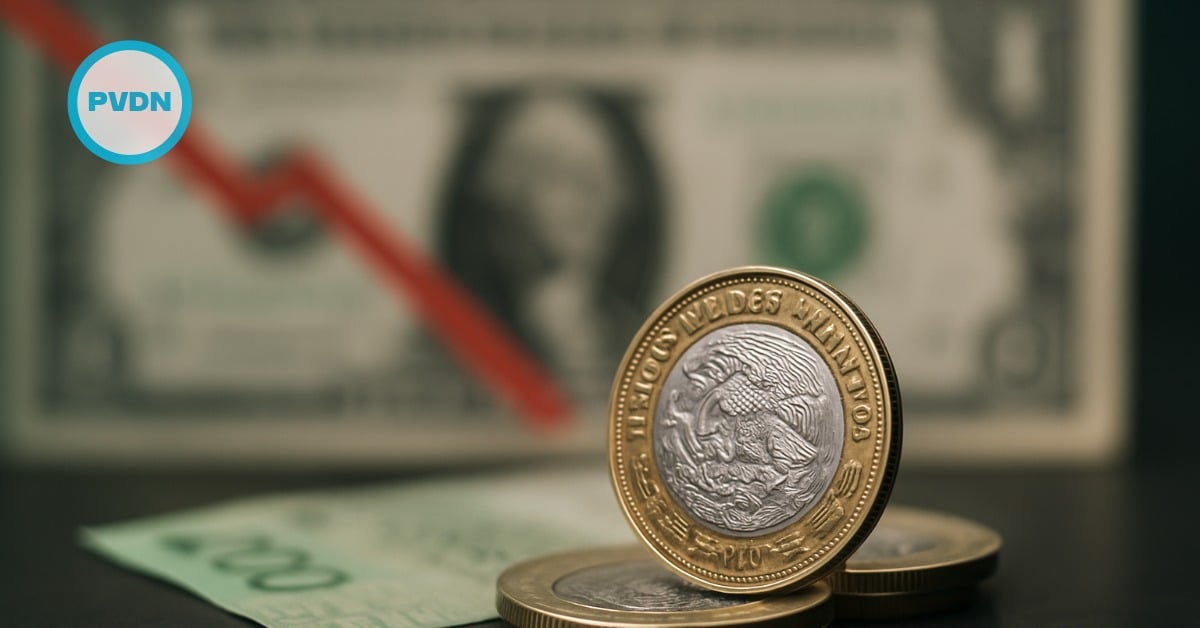
The peso moved fast on Tuesday morning, pushing the dollar close to 17.7 pesos in wholesale trading. The shift came as investors reduced exposure to risk assets after the Middle East conflict broadened and oil prices jumped. Retail quotes also widened, with some bank sell rates moving above 18 pesos. The next moves may depend on energy markets, regional headlines, and how central banks respond to inflation risks. For expats, the swing can change day‑to‑day budgets in pesos.
Peso drops as investors move into dollars
The Mexican peso weakened against the US dollar on March 3 as fighting between the US, Israel, and Iran intensified. In mid‑morning wholesale trading, the exchange rate reached 17.68 pesos per dollar. That was about 40 centavos above the prior close. The move implied a loss of roughly 2.1% on the session at that time. The peso underperformed several peers in emerging markets as investors trimmed exposure to higher‑beta currencies. A strategist at Monex said the peso ranked among the largest emerging‑market declines during the morning. Analysts often note that the peso is used as a liquid proxy when investors cut risk quickly. In Mexico, traders also watched the interest‑rate gap between Mexico and the United States. The US 10‑year yield was near 4.11%, while Mexico’s 10‑year was around 8.79% in morning trading. That spread can support carry strategies, but it can lose influence during geopolitical shocks. The dollar also strengthened broadly against other major currencies as volatility rose. A broad dollar index reached its highest level in more than three months.
Oil surge adds another layer of pressure
The peso’s slide coincided with a jump in oil prices, a key input for inflation expectations and risk sentiment. International crude benchmarks climbed about 8%, reaching the highest levels seen since mid‑2024 during the session. Brent traded near $83.8 a barrel. US WTI was near $77.2 as disruption risks grew in the region. Markets focused on the security of shipping lanes, including the Strait of Hormuz, and the potential for supply delays. Higher energy prices tend to lift the global cost outlook for fuel, freight, and power, even before retail prices adjust. That dynamic can push investors toward currencies linked to liquidity and safe‑haven demand, including the dollar. For Mexico, higher crude can support export revenues, but it can also feed domestic price pressures through refined‑fuel costs. Those cross‑currents matter for interest‑rate expectations, because central banks watch energy‑driven inflation closely. On Tuesday, the market move suggested that geopolitics and energy were outweighing carry considerations.
Why your bank rate may look different
Exchange‑rate numbers can differ on the same day because they reflect different markets and timestamps. Mexico’s central bank publishes the FIX reference rate around midday on business days, based on wholesale quotes. For March 3, that official reference was 17.3485 pesos per dollar, set from the prior trading window. At the same time, the spot market in early trading pushed above 17.6, showing how quickly conditions changed. Retail prices can move even higher because banks add spreads to cover cash handling and inventory risk. A major bank listed about 18.20 to sell and 17.24 to buy in branches. For expats exchanging cash, those spreads can matter more than the headline interbank move. For expats using cards, the applied rate depends on the network, the issuer, and the timing of settlement. The gap between official, interbank, and retail quotes is normal, but it widens during volatile sessions. Checking the quote type can prevent pricing surprises.
What to watch in the coming sessions
Near‑term direction for the peso‑dollar rate will likely track war headlines and energy prices. Global rate expectations are the third input for currency markets. If oil stays elevated, traders may reassess inflation paths and the timing of rate cuts. That can support a firmer dollar and keep pressure on emerging‑market currencies, including the peso. Mexico’s own policy outlook also matters because the peso reacts to changes in the rate differential and risk appetite. For expats paid in dollars or euros, a weaker peso increases the amount received in pesos when converting income. For expats with dollar‑linked costs, like some flights or subscriptions, the peso bill can rise fast. Short‑term swings can reverse if risk sentiment improves or if energy prices retrace. Until volatility eases, day‑to‑day budgeting may require wider buffers and closer attention to the rate used at checkout. The next official reference update will also help anchor discussions after the morning move.
With information from El Financiero, Reuters, Diario Oficial de la Federación, Banco de México