Mexico’s largest real estate developers are putting $18.4 billion on the table for 2026, with housing taking the largest share. Their pitch now turns on Plan México, a federal strategy built around infrastructure, faster investment procedures, and housing construction. The pressure point is execution. Developers say the money can grow, but only if permits, services, and urban planning move fast enough to turn projects into construction.
Developers Say Plan México Could Transform Housing
Mexico’s major real estate developers are preparing $18.4 billion in investment for 2026, while tying the next jump in private capital to government follow-through on Plan México, infrastructure, and permits.
The Association of Real Estate Developers, known as ADI, said its members have 262 projects scheduled across the country this year. The group placed housing as the largest destination for capital and argued that federal infrastructure planning could help double private real estate investment in the coming years.
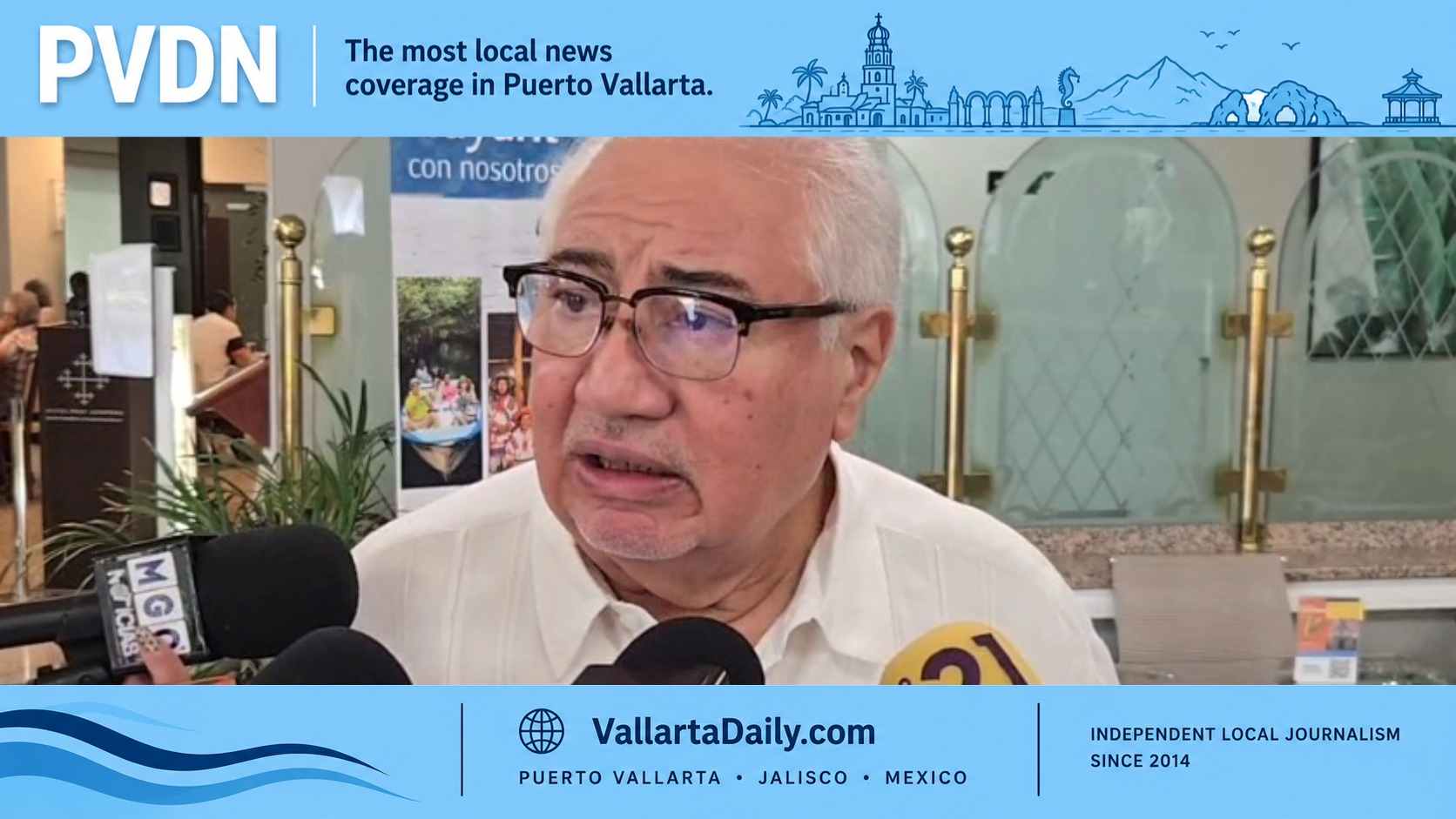
Bosco Quinzaños, president of ADI, said the sector has not returned to its recent peak. He noted that the association once reached about $36 billion in investment, roughly twice the 2026 figure now being discussed. His argument is that infrastructure can move the market if public agencies clear the path for construction.
“Infrastructure is definitely going to be a catalyst,” Quinzaños said, referring to the federal plan’s possible effect on private projects.
Housing carries the largest share
ADI’s 2026 investment plan is weighted toward housing, which represents 39.8 percent of the expected capital. Tourism follows with 21.1 percent, mixed-use projects with 17.8 percent, industrial real estate with 14.4 percent, and commercial development with 2.7 percent.
That mix puts the announcement in the middle of a larger policy test. The federal Plan México sets a goal of keeping investment above 25 percent of GDP beginning in 2026 and above 28 percent by 2030. It also calls for reducing the time required to complete an investment process from 2.6 years to 1 year by streamlining requirements and consolidating them into a single digital window.
The plan also names accelerating housing construction and credit as one of its 18 programs and actions. That overlaps with ADI’s strongest area of planned investment, but it does not remove the local bottlenecks that often decide whether housing is built.
Quinzaños put the problem plainly in comments around The Real Estate Show. “Los trámites deben fluir en los tiempos correctos,” he said, adding that housing also needs a policy of redensification in urban areas that already have services.
The permit question remains central
The clearest concentration of new money is in Mexico City. ADI expects more than $4.2 billion in real estate investment there in 2026, about 20 percent of the national total. The State of Mexico follows with nearly $3.9 billion, while Quintana Roo is listed with about $2.8 billion.
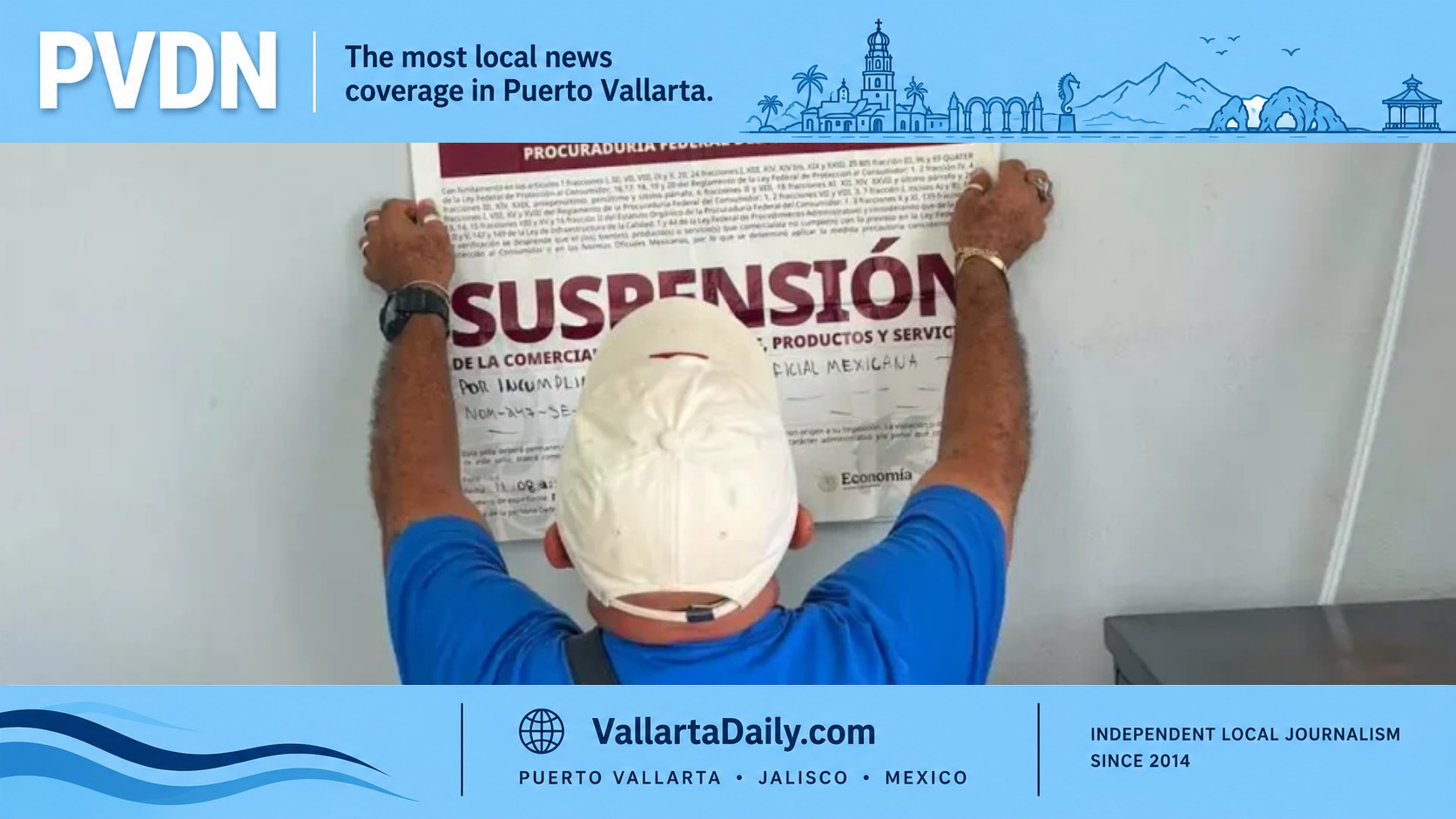
Mexico City is also where the permitting issue is already visible. A planned affordable housing push involving 32,000 homes has seen only 300 to 400 units enter construction, according to earlier coverage of the city’s stalled housing pipeline.
That gap explains why the developers’ announcement is less a finished investment story than a test of public capacity. ADI is signaling available capital. The federal government is signaling faster procedures. Cities and states still control many of the permits, land-use decisions, services, and inspections that determine whether announced projects become finished homes.
For coastal and tourism-heavy markets, the tourism share is also notable. ADI lists tourism as the second-largest destination for 2026 real estate capital. That does not mean every tourism market will see new projects, but it does show that hospitality-linked development remains a major part of the national pipeline.
Plan México gives developers a policy opening
The federal government presents Plan México as a long-term development strategy built around regional growth, domestic supply chains, investment facilitation, and strategic sectors. Its official goals include more local production, stronger regional development, and faster investment procedures.
Developers are now using that framework to press for conditions they say would unlock more construction. The request is not only for more public spending. It is faster paperwork, more certainty, and urban rules that allow denser housing in areas with existing services.
Quinzaños said ADI remains optimistic about doubling investment, particularly in Mexico City, where local housing mechanisms are being promoted. “We are optimistic that we will be able to double the investment”, he said.
The claim is ambitious, and the numbers are large. The next measure will be less dramatic than the announcement. It will be whether the 262 projects move through permits, financing, infrastructure connections, and construction schedules without stalling in the same places that have slowed housing before.