Playa del Carmen officials say the Ya’axché Ethno-Tourism Corridor could move ahead before the area where it is planned is fully municipalized.
The project is being discussed for the Avenida 38 area, between the Federal Highway and Avenida 75. Officials have described it as a public space for cultural activities, artisans, producers, and local entrepreneurs.
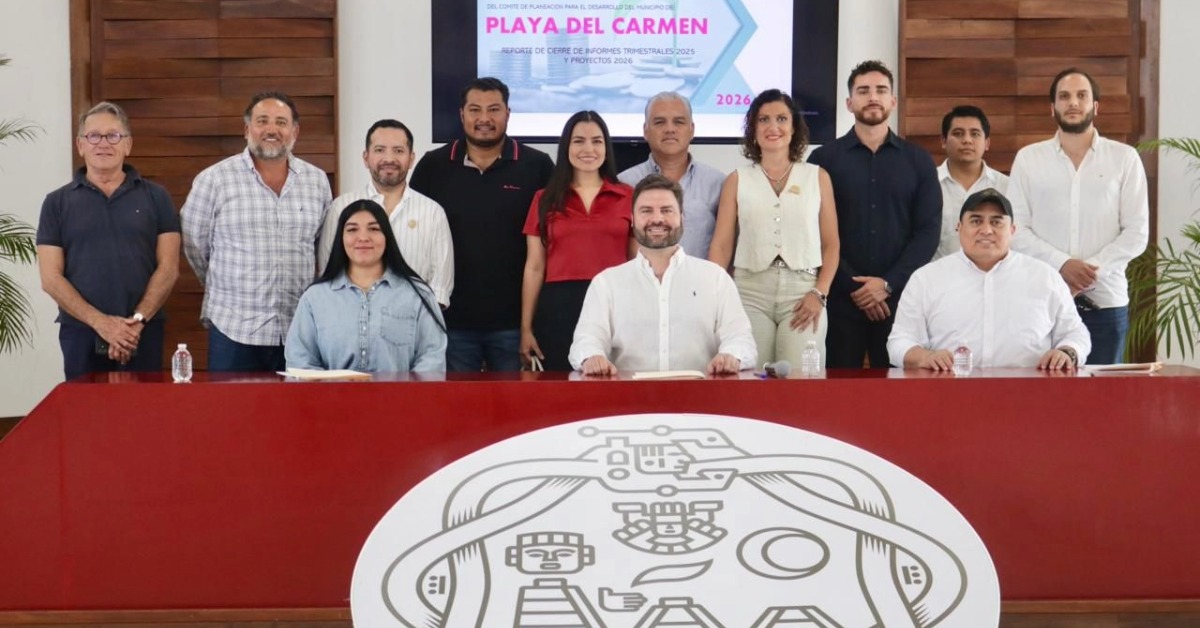
Juan Novelo Zapata, president of the municipal commission for Indigenous and Afromexican affairs, said the project already has a possession document and years of investment in infrastructure behind it. That could allow planning to continue while the formal municipalization process remains pending.
The corridor is intended to become a meeting point for cultural, artistic, and commercial activity. Officials have mentioned workshops, traditional food, Maya games, artisan sales, cultural presentations, and other activities connected to local identity.
The name Ya’axché refers to the ceiba tree, which has deep meaning in Maya culture. In many Maya traditions, the ceiba is associated with the connection between the earthly world, the spiritual world, and the underworld.
What municipalization means in this case
For many international readers, “municipalization” may sound like a change in political status. In this case, the issue is more practical.
In local urban development terms, municipalization usually refers to the process by which a developed area, infrastructure, or public works is formally accepted under municipal responsibility. That can include documentation for roads, sidewalks, drainage, lighting, water systems, and other urban services.
Officials have not said that the corridor is fully cleared to open immediately. They have said the project may be able to advance because the area already has a possession document and existing improvements.
That distinction matters. A corridor that receives visitors, vendors, and cultural programming needs clear rules. It also needs basic safety, access, and maintenance standards.
The municipality’s own procedures for municipalization show how technical the process can be. Required documents can involve sanitation, water, roads, sidewalks, curbs, lighting, and final plans. That helps explain why officials are focusing on regulation before the project begins operating.
Why officials want rules before opening
Novelo Zapata said one of the next steps is to establish regulations for how the corridor would be used.
That could include how vendors are selected, what types of activities are allowed, who maintains the space, how events are scheduled, and how public safety is handled. It could also determine how the corridor avoids becoming just another commercial strip with a cultural label.
This is important because ethno-tourism can be sensitive. When handled well, it can support local creators, preserve traditions, and bring income to communities. When handled poorly, it can turn culture into decoration for visitors.
For Playa del Carmen, the challenge is clear. The city is internationally known for its beaches, nightlife, restaurants, and access to the Riviera Maya. Local officials have been trying to add more community-based and cultural options to the tourism economy.
The Ya’axché corridor fits that larger direction. It also raises the question of who benefits when local culture becomes part of the visitor experience.
A project tied to a broader local economy push
The corridor is not being discussed in isolation.
Playa del Carmen has recently promoted programs aimed at producers, artisans, and small businesses. The city has also launched the Hecho en Playa market, a weekend space that connects local producers directly with customers.
Those efforts point to the same broader goal: keeping more tourism-related money in the hands of local families and small businesses.
That matters in a city where tourism growth has not always benefited everyone equally. Many residents work in service jobs tied to hotels, restaurants, and construction. Smaller producers and artisans often compete for visibility in a market dominated by larger businesses and tourist-facing brands.
A regulated cultural corridor could give local sellers a more predictable space. It could also create another reason for residents and visitors to spend time outside the most heavily commercial tourist zones.
Why this matters to foreign residents
For foreigners living in Playa del Carmen, the corridor could become more than a weekend outing.
It may offer a way to better understand the city’s cultural identity beyond beach clubs, condos, and Fifth Avenue. It could also create a place where residents can buy directly from local producers and artisans.
That kind of direct contact matters in fast-growing expat destinations. It helps newcomers see the city as a community, not just a place to live more cheaply or enjoy warm weather.
Still, the project’s value will depend on execution. A successful corridor needs transparency, community participation, and clear rules. It also needs to avoid pushing out the people it claims to support.
What comes next
Officials have not announced a final opening date for the Ya’axché Ethno-Tourism Corridor.
The next key step appears to be regulating the space. That will determine how the corridor operates, who can participate, and how the area will be managed.
The pending municipalization process remains part of the background. But officials have signaled that it may not stop the project from advancing.
For now, the corridor remains a proposal with political support, cultural ambition, and practical questions still to answer. Its success will depend on whether Playa del Carmen can turn a public space into a real opportunity for local culture and local income.