Tijuana’s municipal watchdog disqualified three former officials tied to the Playas de Tijuana boardwalk project. The sanctions follow findings of missing environmental permits and failures in contract oversight. Officials named are Juan Enrique Bautista Corona, former head of SDTUA; Marco Antonio Campoy Arce, ex-director of municipal works; and Laura Alicia Beltrán Robles, former subdirector of Normatividad. Bautista and Campoy received one-year bans; Beltrán, three months.
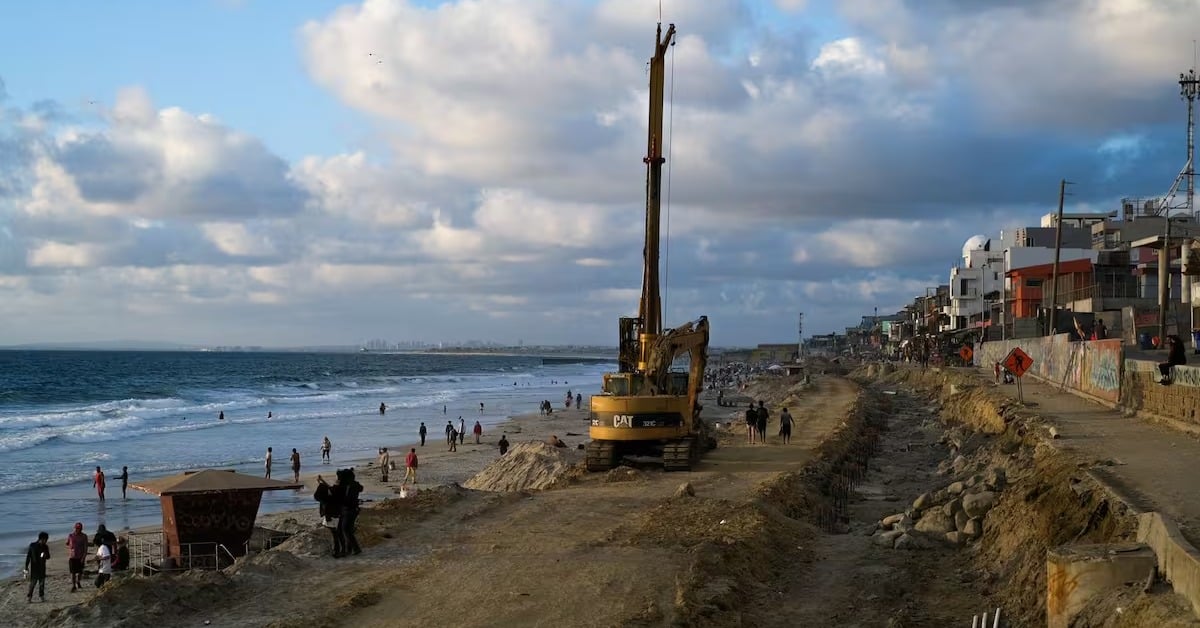
The announcement caps a year of scrutiny on a project that never found solid ground. State Civil Protection halted construction on September 13, 2024, after inspectors flagged a lack of environmental authorizations and technical studies. City leaders later said the executive plan was incomplete when the previous administration bid the work.
What the sanctions actually say
According to the watchdog’s account, the former officials signed work contracts without required impact assessments or a construction license. They also failed to ensure subordinates met their duties and, in at least one case, signed while holding a different post than the one on the contract. Those are not small gaps; they go to the heart of public works compliance near a fragile shoreline.
The bans arrive amid a change in city hall and a lingering debate over accountability. Reporting shows the city expects to restart a redesigned project in 2026, after a technical reset. Costs could rise toward 300 million pesos, pending final scope and coastal studies.
How we got here
By late 2024, the promenade sat fenced off while surf and tides gnawed at exposed sections. The new mayor’s team said the executive plan they inherited was incomplete. They also said crews had worked without key permits. State Civil Protection supported the stoppage as the city built a retaining wall and re-scoped the job as coastal work, not just a sidewalk.
Local outlets tracked the fallout. In recent weeks, merchants near the beach described steep drops in sales and foot traffic. Residents voiced fatigue as the revised schedule pushed completion out by at least another year.
Sanctions do not rebuild a boardwalk. They set a baseline for how the city will handle contracts and permits in coastal zones. The watchdog says the case reflects a push for open government and strict oversight in public works. Whether that translates to a safer, finished promenade now depends on the redesigned plan, the tender process, and the city’s ability to manage storm seasons.
Former SDTUA chief Bautista has pushed back before. In April, he filed a challenge with the watchdog over the boardwalk probe. That step hints at a possible legal path now that sanctions are public. Appeals would run through Baja California’s administrative courts.
The stakes for Playas
The promenade is more than a walkway. It is a small coastal economy of cafés, rentals, and informal sellers. Every month, behind a fence, the losses harden. The city now speaks of a complete coastal design, built to handle winter swells and heavy rains. If done right, the rebuild can protect businesses and homes near the bluff. If rushed, the city risks another stop-work order and another lost season.
Editor’s note: This story is based on original reporting from Baja California outlets and official statements reviewed on August 21, 2025. We will update if courts modify any of the sanctions.