Mexico’s posadas return December 16–24, 2025, blending Aztec roots, colonial evangelization, and today’s piñata-filled neighborhood fiestas.
The sound of “Pidiendo Posada” drifting down a chilly street is the real sign that Christmas has started in Mexico. For nine nights, families, friends and neighbors gather with candles, song sheets and a clay pot piñata to reenact a journey that, according to tradition, happened more than two thousand years ago. Posadas Navideñas 2025 will follow the same pattern, but each year the details shift with the country itself.
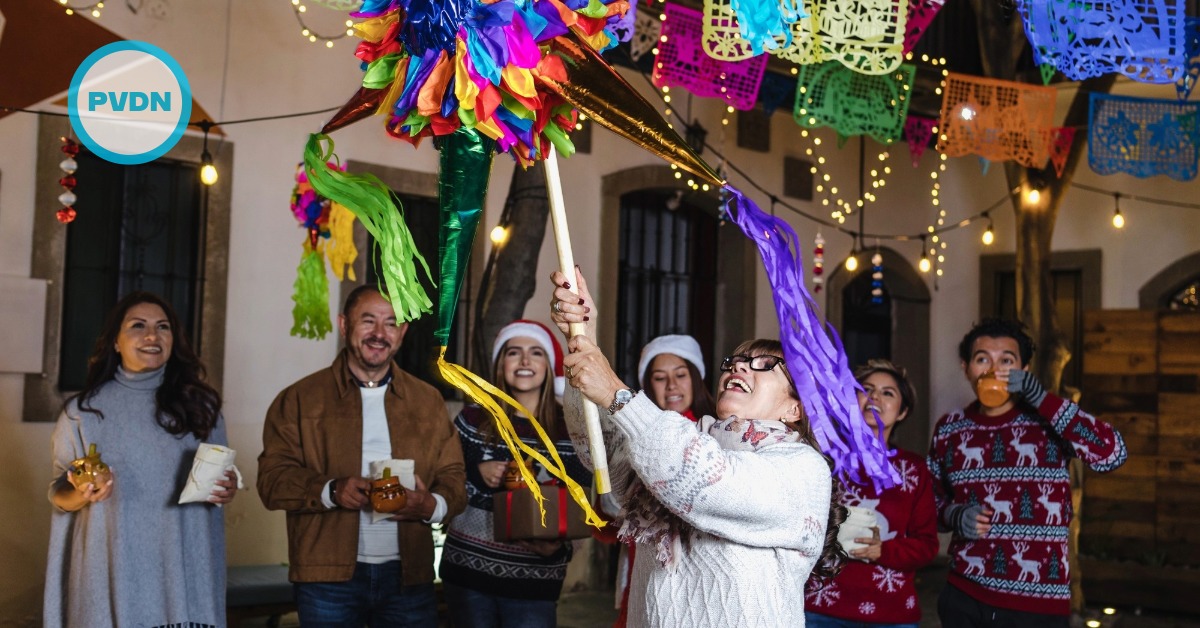
At its core, a posada is simple. One group of people represents Mary and Joseph as they search for shelter. Another group welcomes or rejects them from behind a closed door. The dialogue unfolds in call-and-response verses until the door finally opens and everyone enters together. Once inside, the mood changes from petition to celebration, with food, ponche, music and, almost always, the crack of a star-shaped piñata.
The word “posada” means lodging or inn, and the plural reflects its nine-night shape. Those nine evenings, from 16 to 24 December, frame the last stretch before Christmas Eve. In 2025, they run from Tuesday 16 December through Wednesday 24 December, a steady nightly rhythm that builds toward Nochebuena. Some families still hold a posada every single night. Others choose just a few dates, or join school, church or workplace gatherings that fold the ritual into a larger year-end party.
Posadas Navideñas 2025
The dates do not move at random. Since the colonial period, the posadas have followed a novena structure that links them to the Catholic calendar. For many believers, the nine nights echo the months of Mary’s pregnancy. In popular catechism, they also line up with nine human and spiritual values that people are invited to practice in daily life.
Under that reading, the first night, 16 December, is associated with humility. The second highlights fortitude, the capacity to keep going when life is hard. The third points to detachment, a reminder not to cling too tightly to possessions or status. The fourth focuses on charity, not just as almsgiving but as concrete care for others. The fifth night is linked to trust, the sixth to justice, the seventh to purity, the eighth to joy and the ninth, on Christmas Eve, to generosity. For families who still pray a novena before the party starts, those words are not abstract ideals; they are a simple way to explain faith and ethics to children.
Long before candles and villancicos filled December nights, central Mexico already marked this season with a very different festival. In the Mexica calendar, the twenty-day month of Panquetzaliztli, “raising of banners,” fell around the time of the winter solstice and was dedicated to the sun and war god Huitzilopochtli. It included processions, offerings and public ceremonies that honored a divine birth connected to the return of longer days. When Spanish friars arrived, they did not erase that timing. Instead, they overlaid a new story on top of it.
In the 1580s, Augustinian friars near today’s Mexico City obtained papal permission to hold special evening Masses in the days leading up to Christmas. These services, known as misas de aguinaldo, mixed preaching, music and simple dramatizations of the Nativity. They were designed to teach Christian doctrine to Indigenous communities while also giving people a reason to gather at the same point in the agricultural and ritual year when they had always celebrated before. Over time, the Masses spilled out of church atriums and into streets and homes, where ordinary families began staging their own short processions and celebrations.
By the nineteenth century, what we now call a posada already had many of the elements people would recognize today: the sung dialogue at the door, the image of Mary and Joseph carried in procession, and a closing party with seasonal treats. The clay pot piñata, often with seven points symbolizing temptation and vice, gradually became part of the package, turning an act of catechism into something children looked forward to all year.
From neighborhood ritual to national celebration
Modern posadas stretch well beyond the boundaries of any single religious tradition. In some neighborhoods, the prayers and songs still lead, and elders insist on starting with a candle-lit litany before anyone touches the food. In others, the ritual is shorter, and the emphasis falls on gathering with people you may only see once a year. City streets can host processions that weave past taco stands and traffic, while in small towns the line may move between houses on a single block, each family taking one of the nine nights.
Posadas are also flexible enough to follow Mexicans wherever they go. Migrant communities in the United States and elsewhere have adapted the celebration to apartment buildings, parish halls and even parking lots, turning unfamiliar spaces into temporary inns. In tourist cities, hotels and restaurants often host open posadas for visitors, compressing the nine-night cycle into a single evening so outsiders can share at least a taste of the tradition.
What does not change is the emotional core. The scene of a couple knocking on doors and finding no room speaks to anyone who has felt unwelcome or far from home. The moment when the door finally opens, and the song switches from refusal to welcome, gives the night its charge. Food, music and gifts matter, but they sit on top of a story about hospitality, shared vulnerability and the hope that no one should have to face the dark alone.
As Posadas Navideñas 2025 approach, Mexico once again prepares for nine nights that link very different worlds: an Aztec month of banners, a colonial church experiment in teaching new doctrine, and today’s buzzing mix of block parties, parish events and office gatherings. Whether they feature full processions or just a quick chorus before the piñata swings, these celebrations keep anchoring the Christmas season in values that go beyond the shopping rush. In the glow of paper lanterns and sparklers, the country revisits an old question—who gets turned away, and who is invited in—and answers it, at least for a moment, with open doors.