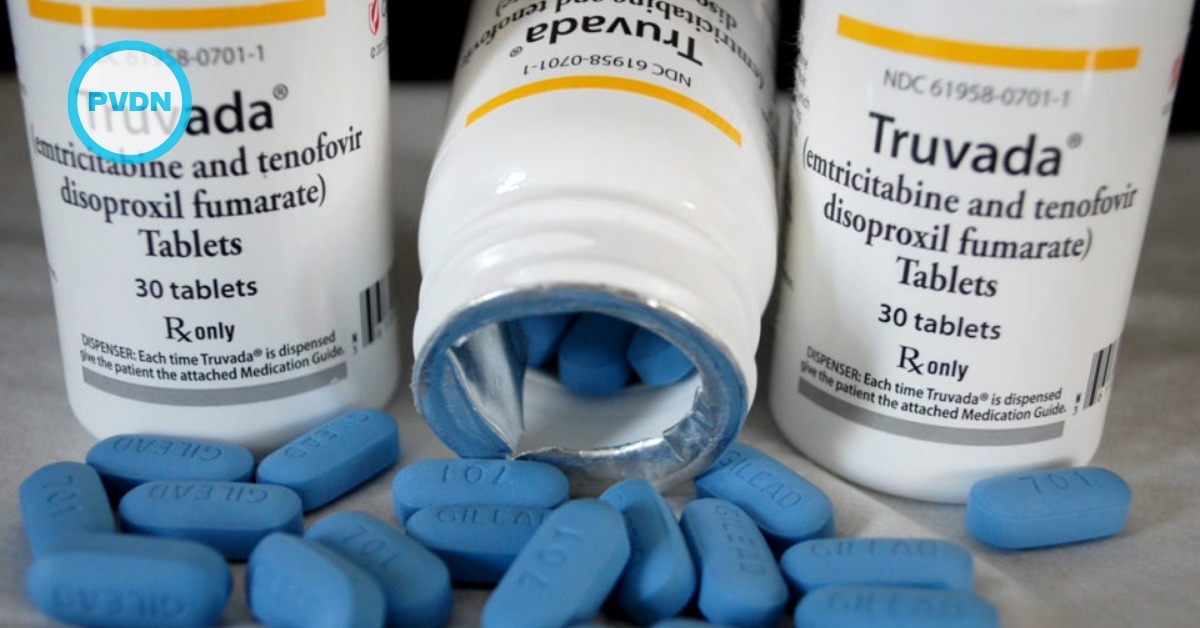
PrEP near your workplace offers quick, stigma-free PrEP with testing and vaccines at an IMSS clinic so workers can start prevention in under an hour.
You know that feeling when you finally work up the nerve to take care of something important, and the system makes it weird?
You take time off. You sit in a waiting room. Someone asks questions that feel less like healthcare and more like judgment. Then you get told to come back another day, to another place, with another form. After a few tries, most people don’t “quit.” They just stop trying. And when we’re talking about HIV prevention, that quiet stop can have real consequences.
That’s the logic behind PrEP near your workplace, a new push designed to make HIV prevention fit into real life instead of demanding that real life fit into clinic hours. The idea is almost embarrassingly simple. If people are already moving through a work corridor every day, why not place fast, respectful prevention services right there, close to transit, and run them with a model built for speed and privacy?
It’s not framed as a special favor. It’s framed as what public health should look like in 2025. Convenient. Normal. No moralizing.
The problem this is trying to solve
PrEP works. That’s not the debate. The gap is access, and the gap is follow-through.
In Mexico, a lot of people still don’t know what PrEP is, or they’ve only heard about it in whispers. Others know exactly what it is, but they’ve had a bad clinic experience, or they can’t take half a day off work and travel across the city to the one location that can see them “soon.” Add stigma on top of that, and you get a system where prevention exists on paper while new infections keep showing up in real life.
People who need PrEP aren’t a niche group. They’re workers. Students. Couples. People who had one risky night and don’t want it to define their future. People who are doing their best in a city that doesn’t always make it easy to be proactive.
So the promise of this initiative is not just “PrEP is available.” The promise is, “You can actually get it without your whole week collapsing.”
What makes it different from a standard clinic visit
This campaign is tied to a model known as “PrEP in 1 Hour,” created to cut out the slow parts that tend to swallow people. You’re not being asked to prove you deserve prevention. You’re being treated like a person who showed up for healthcare. That sounds basic, but it’s the whole point.
At the center of the approach is care without prejudice. The initiative is built around staff training and an environment meant to feel safe and confidential. Because let’s be honest. A lot of people don’t avoid HIV prevention because they don’t care. They avoid it because they don’t want to be shamed, questioned, or outed.
Speed matters too. If a program can realistically fit into a lunch break, it stops being a “someday” plan and becomes a “today” choice.
And then there’s the part that many people won’t expect. The visit isn’t only about PrEP. The model bundles prevention tools so people walk out with more than a prescription and a pamphlet. That can include rapid testing and broader sexual health prevention, including vaccines that help protect against other infections that are common, underdiagnosed, or ignored until they become serious.
Where the workplace angle comes in
So what does “near your workplace” actually mean here?
The program is operating through an IMSS family medicine unit in Mexico City chosen for connectivity and foot traffic. It’s near major transit routes, positioned so workers can get care even if they live far away. The point is to remove the old friction point of “you’re assigned somewhere else.” If the closest practical clinic to your daily routine is near your job, the program is designed to meet you there.
Hours matter in a way people don’t talk about enough. This site runs weekday service from morning to early evening, which is exactly when working adults can realistically slip in. Not everyone has the luxury of a flexible schedule. A prevention strategy that ignores that isn’t really a strategy.
The initiative is aimed at IMSS members, and it’s designed to serve people regardless of which IMSS unit they’re officially assigned to. That detail sounds bureaucratic, but it’s the difference between access and a dead end.
Why PrEP is only part of the story
If you’ve heard of PrEP, you probably know it as HIV prevention medication taken before potential exposure. Used correctly, it can reduce the risk dramatically. But PrEP doesn’t prevent other sexually transmitted infections. That’s where the “combined prevention” model comes in.
This approach also talks openly about DoxyPEP, which is a post-exposure strategy using doxycycline to lower the risk of certain bacterial STIs after sex without a condom. It’s not a replacement for testing, and it’s not for HIV. But it’s part of a broader shift in how prevention is being discussed: more practical, more honest, less centered on fear.
Some people will be uneasy about that honesty at first. It can feel like the healthcare system is finally admitting what everyone already knows: people have sex, sometimes without protection, sometimes with imperfect planning, and they still deserve prevention that works.
If the initiative succeeds, it normalizes a healthier message. You don’t have to wait until something goes wrong to seek care. You can build prevention into your routine the same way you build in coffee, the Metro, and your workday.
The scale they’re aiming for and why it matters
One clinic near a work corridor won’t change national numbers by itself. The ambition here is bigger.
The organizers have pointed to a gap between how many people are currently receiving PrEP through IMSS and how many would need it to meaningfully bend the curve on new infections. Their near-term target is far larger than what the system is doing now, with a stated push toward reaching a number that would make prevention feel mainstream rather than rare.
That’s not just a health goal. It’s a culture shift inside care delivery.
If you can build a model that proves people will stay on PrEP when you treat them well, move fast, and offer wraparound prevention, it becomes hard to defend the old way. It becomes hard to keep saying, “We offer it,” while designing the process so people can’t realistically get it.
And there’s a second ripple effect that’s easy to miss. A clinic that learns to eliminate stigma, streamline intake, and deliver sensitive care quickly can apply that blueprint beyond HIV prevention. It becomes a training ground for how to meet people where they are, which is what public health keeps promising and rarely delivers.
What you should take away if you’re curious
If PrEP has been in the back of your mind, this initiative is basically an invitation to stop waiting for the “perfect time.” The whole concept is built around the reality that you’re busy. You have a job. You have commutes. You have privacy concerns. You have a life.
And if you’re someone who cares about prevention at a community level, this is also a reminder that the best programs aren’t the ones with the flashiest slogans. They’re the ones that quietly remove barriers until the healthy choice becomes the easy choice.
That’s what PrEP near your workplace is trying to do. Make prevention feel normal. Make it quick. Make it respectful. Make it doable.