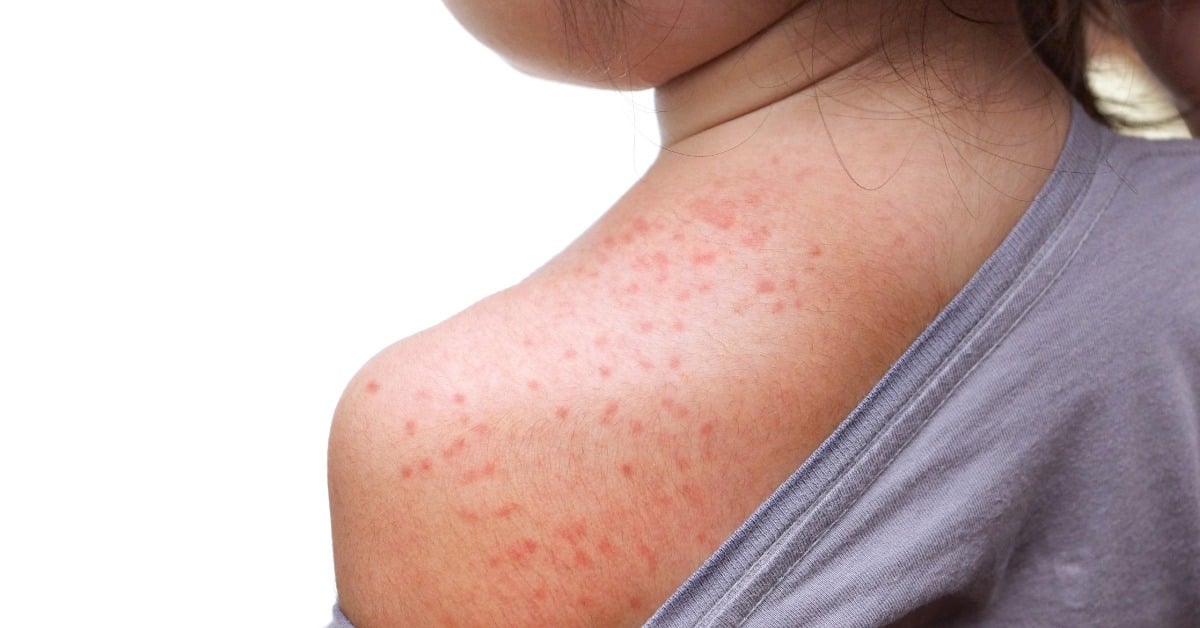
Aguascalientes health authorities activated an alert after a one-year-old to two-month-old boy met Mexico’s definition of a probable measles case. The child is unvaccinated. He recently traveled with family to Chihuahua, where Mexico’s worst measles transmission is concentrated, officials said. A sanitary cordon and neighborhood sweep were launched around the family’s home in Villa Montaña.
State officials say the child was seen at an IMSS clinic. Samples were taken under the “febrile rash illness” protocol and entered in SINAVE, the national surveillance platform. Results will be confirmed by the national reference lab, INDRE.
What “probable case” means—and what happens next
Mexico’s epidemiology advisories define a probable measles case as fever with maculopapular rash and at least one of the following: cough, coryza, or conjunctivitis. Probable cases trigger immediate containment measures, including cordon, contact tracing, vaccination of susceptibles, and laboratory confirmation at INDRE. That process is now underway in Aguascalientes.
Officials have urged parents to review their children’s vaccination records and bring them up to date on the MMR schedule. The state reiterates that vaccines are available free of charge at public health centers.
Why Chihuahua’s outbreak matters for Aguascalientes
Chihuahua remains the national epicenter. Local reporting based on state data puts Chihuahua’s confirmed tally near 4,000 as of August 29, with the majority of national deaths. Movement between states increases the risk of importations like this one.
Mexico’s federal epidemiology bulletin for epidemiologic week 33, published August 22, reported 4,140 confirmed measles cases so far in 2025, reflecting rapid growth through August. PAHO’s regional update two weeks later warned of continued increases across the Americas and urged strong vaccination and fast response.
Vaccination gaps and the back-to-school risk
The child involved had no record of measles vaccination. That is the single most significant risk factor for infection and the spread of disease in schools and homes. National guidance recommends administering the first MMR dose at 12 months and the second at 18 months, with catch-up vaccinations available for older children and at-risk adults during outbreaks.
Aguascalientes has run intensification campaigns through the spring and summer. The state and municipal channels continue to direct families to clinics offering free vaccines. The timing matters: local authorities flagged the added exposure as students return to classrooms.
Mexico’s measles picture in 2025
The country regained regional “elimination” status for endemic measles in 2024, but elimination never meant zero cases. It means stopping year-long local transmission. Importations and pockets of low coverage can still drive outbreaks, as Mexico and several neighbors are experiencing now.
By late August, national and international monitors described a large, multi-state outbreak. El País, citing official figures, reported roughly 4,300 cases and 15 deaths as of August 27. Federal daily reports and weekly bulletins show the same trend line: most confirmed cases and deaths are concentrated in Chihuahua, with cases detected or investigated in many states, including Aguascalientes.
What parents in Aguascalientes should do now
If your child is 12–18 months, verify both MMR doses. If they are older and missed doses, ask for a catch-up. Adults without documented vaccination should consult clinics about risk and eligibility during the alert. Anyone with fever, rash, and eye or respiratory symptoms should isolate, wear a mask, and seek medical care—then tell clinicians about recent travel or exposure so they can notify surveillance quickly. These steps protect infants and immunocompromised neighbors who rely on community immunity.
What we can verify—and what remains pending
We verified the state’s alert, the sanitary cordon, the child’s age and vaccination status, the recent travel to Chihuahua, and the activation of national protocols. As of this writing, lab confirmation from INDRE remains pending, which is normal in the early days of a suspected case. We will update once confirmatory results are published by federal or state health authorities.