Progreso’s high-port expansion is moving from construction progress to a more complicated next stage. State and port officials say the first phase is close to formal delivery, while the next phase is expected to bring private-sector participation. The project could reshape how Yucatán handles cargo, cruise traffic, and trade, but it also keeps raising questions about environmental review, coastal impacts, and what kind of growth the port is being built to support.
Progreso high-port project moves toward next phase
The modernization of Progreso’s high port is approaching a new stage, as Yucatán officials prepare to close the first phase and move toward a second phase tied to private-sector investment.
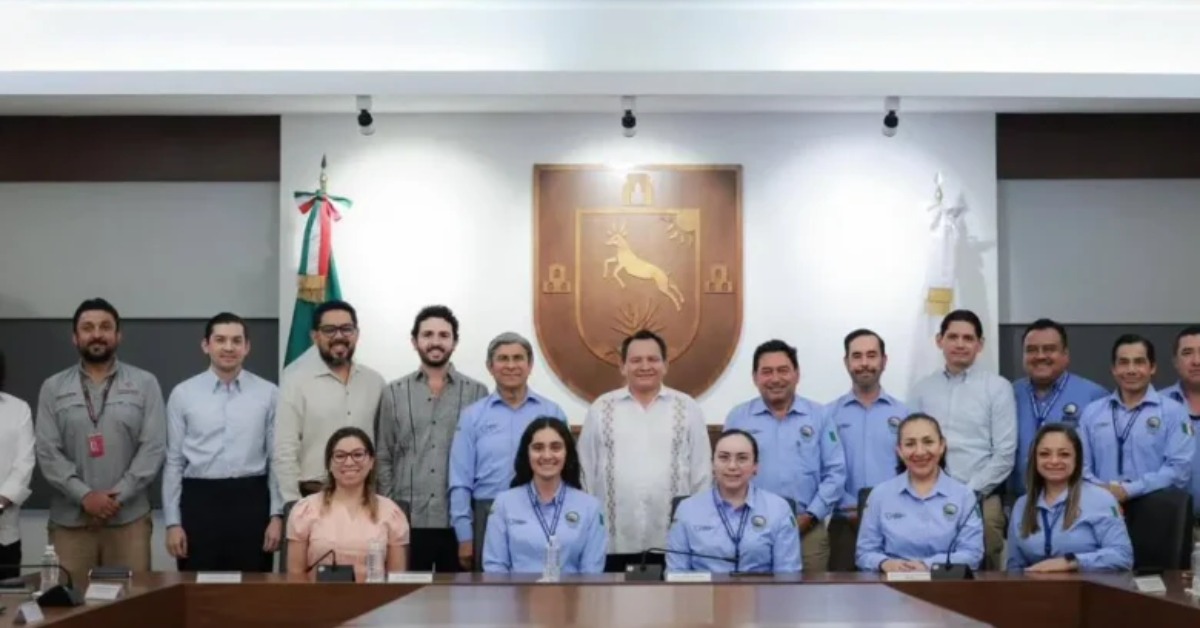
Governor Joaquín Díaz Mena met with officials from the Administración del Sistema Portuario Nacional Progreso, known as Asipona Progreso, to review the project’s status. State officials said the first phase is in its final details before formal delivery, which is expected in the coming weeks.
That delivery process matters because it would clear the way for the next part of the plan. The project has been presented as a three-phase effort to strengthen port infrastructure and make Yucatán a stronger logistics point for southeastern Mexico.
First phase nears official delivery
The first phase is now in the administrative closing stage. Once the works are formally completed, the project will enter a handover process in accordance with applicable rules.
For readers outside Mexico, this is not just a ribbon-cutting detail. Public works in Mexico often move through technical completion, administrative review, and formal delivery before the next phase can begin. That process can affect when equipment, private operators, and new services move forward.
The Puerto de Altura de Progreso is Yucatán’s main deep-water port. It sits off the coast of Progreso and is connected to land by a long viaduct. The port handles cargo, cruise operations, and maritime services that link Yucatán with other parts of Mexico and international markets.
What the next phase could bring
The second phase is expected to involve the private sector, especially in the development of terminals, equipment, and port operations connected to the broader modernization plan.
Federal project information describes the broader port expansion as a plan that includes dredging, expanded navigation areas, and new platforms for specialized terminals. The plan includes public investment in basic infrastructure and private investment in terminal development and equipment.
The macroproject has been described as including about 10 million cubic meters of dredging to increase navigation capacity. The navigation channel would be widened from 150 meters to 180 meters and deepened to accommodate larger vessels, allowing the port to operate more efficiently.
The dredged limestone material would be used to create two platforms, each about 40 hectares, for a total of 80 hectares. These platforms are intended to support specialized terminals that could expand the port’s cargo handling capacity.
A logistics project with regional reach
For Yucatán, the port is more than a Progreso project. It is part of a wider economic strategy that connects shipping, manufacturing, agribusiness, energy, tourism, and nearshoring-related logistics.
State officials have framed the project as a way to position Yucatán as an international logistics node. That means the port would not only serve local importers and exporters. It could also help move goods across the peninsula and link the region with larger supply chains.
For foreign residents in Yucatán, the port may seem distant from daily life. But major infrastructure can shape local economies in indirect ways. It can affect job creation, business investment, road traffic, real estate pressure, tourism flows, and public spending priorities.
It may also influence Progreso’s future identity. The city is already both a working port and a beach community. More cargo activity, larger vessels, and expanded cruise capacity could bring new revenue, but also more pressure on local services and the coastline.
Environmental review remains part of the timeline
The next stage also comes with an environmental review process. A filing for the second platform at the port was submitted to federal environmental authorities in March 2026 and entered evaluation in April.
That proposed phase includes dredging new maritime areas and creating a Plataforma Sur, or South Platform, of about 40 hectares. The work would involve new maneuvering and docking areas with depths intended for larger vessels.
The environmental question is important because Progreso’s coastline has long faced erosion concerns. Coastal researchers and environmental reporting have pointed to erosion in nearby communities such as Chuburná and Chelem, where changes in currents and sediment movement have affected beach areas.
Port supporters see the expansion as a way to increase competitiveness and attract investment. Critics and coastal residents have raised concerns about cumulative impacts, especially when dredging, platforms, and port growth are added to decades of shoreline change.
Both points are part of the story. The port is economically important, but the coast is also a living system that supports fishing, tourism, housing, and local communities.
Private investment is already part of the port’s future
Private investment is not only a future possibility. APM Terminals Mexico previously announced a long-term modernization plan for its container terminal at Puerto Progreso, with more than 3.2 billion pesos in investment over 19 years.
That plan includes infrastructure, equipment, digital systems, and energy-efficiency measures. It was presented as part of a larger effort to improve port operations and lower logistics costs.
These private-sector commitments show how the public works and commercial strategy are connected. Public dredging and platforms can create the physical base. Private operators can then develop terminals, handling systems, and services.
The open question is how quickly those pieces come together. The first phase must be delivered, the second phase must clear its review, and investment projects must align with the port’s commercial strategy.
What comes next
The immediate next step is the formal delivery of the first phase. State officials say that is expected in the coming weeks.
After that, attention will turn to the second phase, including environmental authorization, private-sector participation, and the state’s role in defining the port’s commercial direction.
Díaz Mena has said the state wants to help guide the investment strategy and define the port’s future uses. That includes evaluating projects based on the benefits they bring to Yucatán and its population.
For now, Progreso’s high-port expansion is moving from construction progress to a more complex stage. The next phase will test how Yucatán balances logistics growth, private investment, environmental review, and the needs of coastal communities.