Project Portero
The DEA introduced Project Portero as its flagship push against cartel “gatekeepers,” the crews that control crossing points and move drugs north while sending cash and guns south. The initiative includes weeks of joint planning at a DEA intelligence center on the Southwest border, where Mexican investigators work directly with U.S. law enforcement and intelligence personnel to pick targets and share information in real time. The Homeland Security Task Force is plugged in to align priorities and operations across agencies.
What makes this different
Past binational programs often stalled due to coordination issues. Portero tries to fix that by hard-wiring collaboration: common objectives, shared playbooks, and an agreed target list. DEA leaders have framed the effort as an enforcement-first pivot that reaches beyond fentanyl to weapons trafficking and illicit finance tied to the same networks.
Organized crime shapes security, local economies, and politics across Mexico. Our Mexico Cartel hub keeps the big picture, what’s happening now, and our best national reporting in one place—focused on facts, accountability, and public interest.
A three-week run-up of joint actions
The rollout didn’t happen in a vacuum. In late July, an operation in Aguascalientes ended with 27 alleged CJNG members detained after authorities found a rural camp. U.S. diplomats later highlighted FBI and State Department INL training for state police involved in the arrests. The raid triggered retaliatory roadblocks and arson across the state, underlining how contested these corridors remain.
On August 11, the U.S. Justice Department unsealed an indictment in Texas that accuses two Mexican businessmen of bribing Pemex and PEP officials to secure contracts, an example of how the same cross-border networks exploit public institutions for profit. One defendant was arraigned; another remains at large.
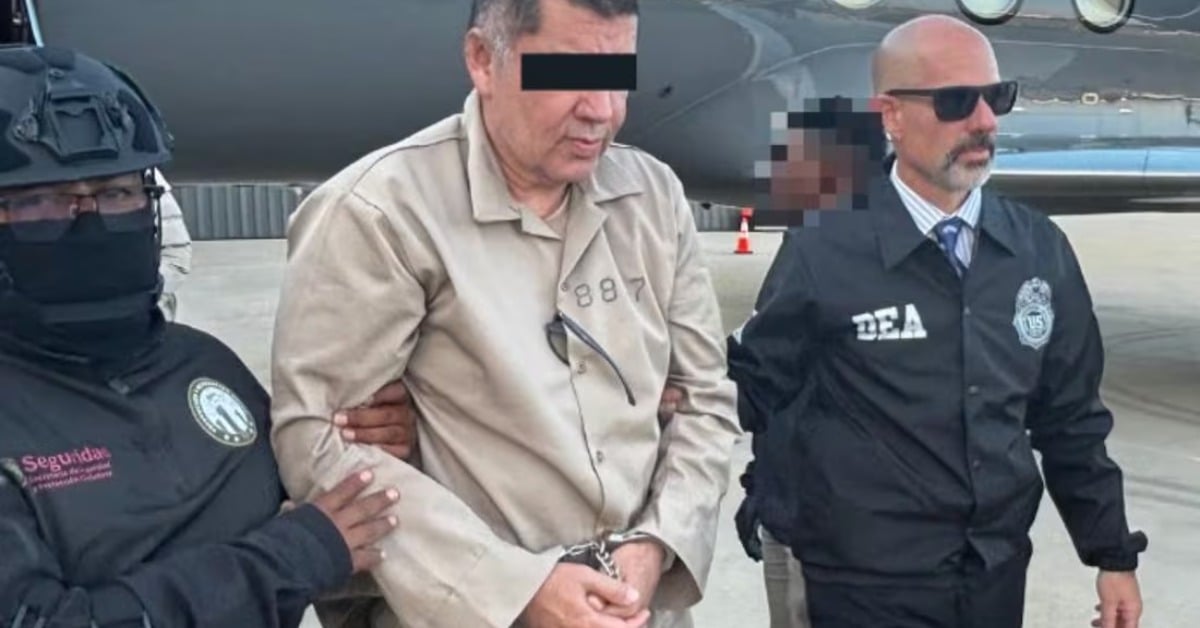
A day later, Mexico transferred 26 accused cartel figures to U.S. custody in a rare mass handover. Among them was Abigael “El Cuini” González Valencia, long described by U.S. authorities as a top financier allied with CJNG. The media in Mexico reported that the DEA administrator personally received him upon arrival. The transfer underscored a new phase of courtroom pressure as governments try to cut into the organizations’ leadership tiers.
Sanctions and surveillance tighten the screws
On August 13, the U.S. Treasury’s OFAC sanctioned four individuals and 13 Puerto Vallarta businesses tied to timeshare fraud that allegedly funneled money to CJNG. The designations freeze assets under U.S. jurisdiction and ban Americans from doing business with the listed parties. Sanctions on the CJNG’s “white-collar” revenue streams have become a parallel track to arrests.
That same week, Mexico’s security chief confirmed U.S. unmanned aircraft flew over parts of the State of Mexico at the government’s request to support ongoing investigations—an unusual public admission of cross-border technical assistance inside Mexican airspace. Officials and open-source flight data pointed to a CBP-operated platform.
Why the focus on “gatekeepers” matters
Gatekeepers aren’t figureheads. They decide when trucks move, which couriers cross, and how weapons and cash return. They manage corrupt contacts and local muscle. Disrupting them forces crews to improvise, which exposes logistics and creates openings for seizures and arrests. Portero’s design—joint targeting, shared intelligence, and synchronized timing—aims to hit several nodes at once, not just the visible tip of a network.
The political context
This cooperation lands in a tense moment: Washington is pressing for faster results against fentanyl and broader cartel activity, while Mexico is navigating sovereignty concerns and domestic politics. The past three weeks suggest both sides are trading concessions—Mexico on extraditions and access; the U.S. on intelligence and courtroom coordination—to convert pressure into cases. Whether Portero scales beyond the first cohort will be the test.