From storms and water protests to airport expansion and the Marigalante sinking, 2025 forced Puerto Vallarta to grow up fast.
If Puerto Vallarta felt busy before, 2025 pushed it into a new gear. One storm turned streets into rivers. Another sent waves over the seawall. A beloved tourist ship slipped beneath the bay near Los Arcos. Offshore, a split-second encounter with a whale ended in tragedy. On land, residents demanded clean water, developers fought for taller skylines, and federal sanctions put a harsh spotlight on timeshare scams. This roundup traces the moments that shaped daily life—and hints at what the city still hasn’t solved.
A city that kept speeding up
Puerto Vallarta spent 2025 doing what it always does best: attracting people. Visitors arrived for winter sun, Pride, weddings, cruises, and long weekends that turned into long stays. For residents, the pace felt different this year. Not just busy, but stretched. The conversations weren’t only about new restaurants or where to find parking. They were about the basics. Can the streets drain fast enough? Will the water run clear? How many towers can rise before the city’s pipes, power, and patience start to crack?
You could feel it in small moments. A downtown walk that suddenly required detours because a stretch of roadwork lingered. A neighborhood group chat that shifted from restaurant tips to flood photos and boil-water warnings. A sense that Puerto Vallarta is still charming, still magnetic, but now operating closer to its limits than it used to.
When the weather stopped being background noise
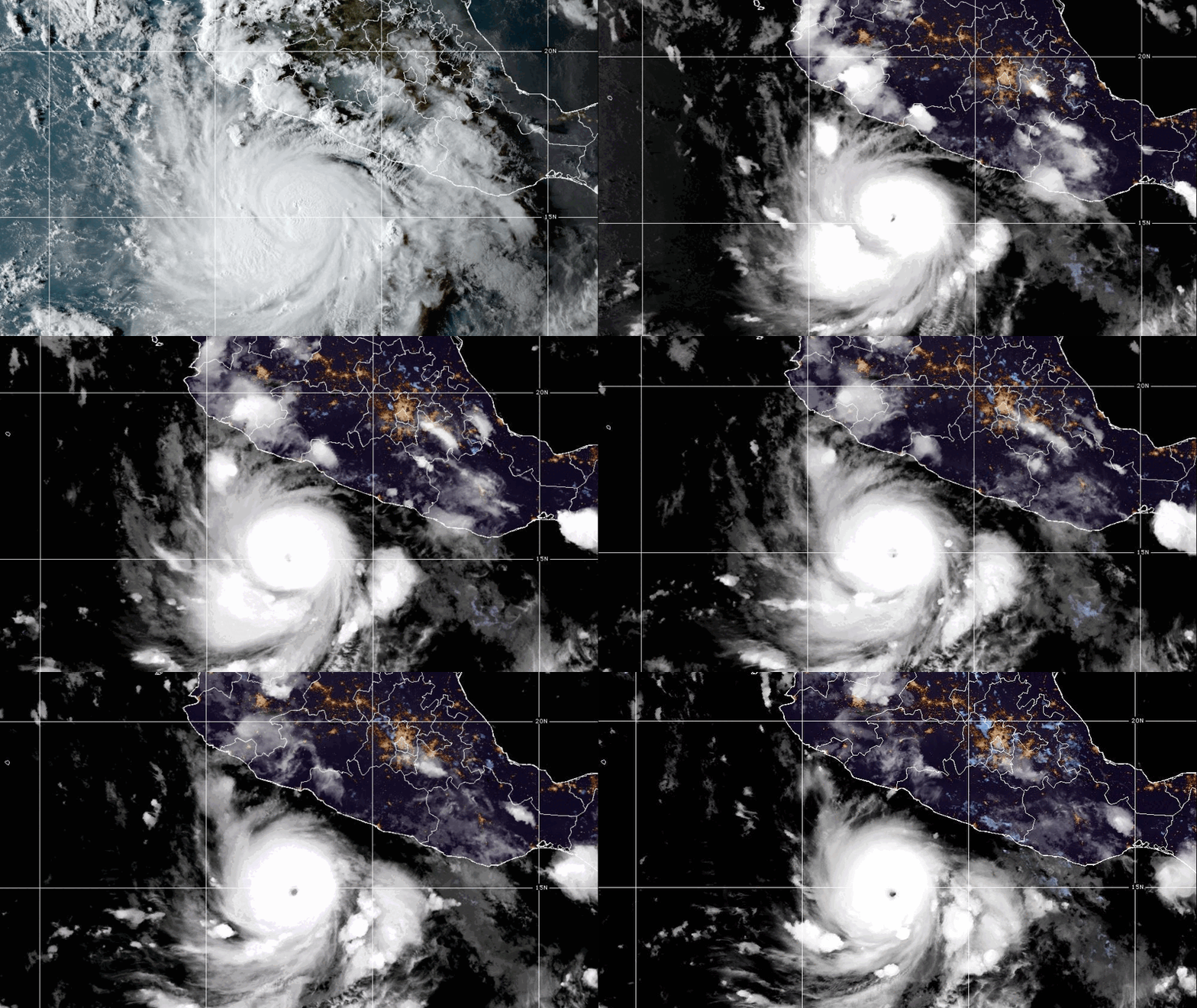
October put the city on notice. A nine-hour storm tied to the remnants of Tropical Storm Raymond dumped intense rain and sent water into homes across multiple neighborhoods. Flooding swallowed roads, overflowed canals, and pushed authorities into rescue mode. For many locals, it wasn’t the dramatic lightning that stuck with them. It was the morning after: mud lines on walls, ruined appliances dragged to the curb, and the quiet math of what insurance will not cover.
Days earlier, Hurricane Priscilla’s surf delivered a different kind of blow. Waves and sand battered parts of the bay and left sections of waterfront areas needing cleanup and repairs. It was a reminder that Puerto Vallarta doesn’t need a direct hit to take damage. Sometimes the ocean does the work from a distance.
For expats who came here for “perfect weather,” 2025 was a reset. You can love this place and still keep an emergency kit. You can live near the beach and still respect a red flag. The bay is gorgeous, but it is not gentle on demand.
Growth and the fight over what Vallarta becomes
The city’s development debate didn’t cool down in 2025. If anything, it sharpened. One project came to symbolize the larger argument: who gets to decide what “progress” looks like, and who pays the real price. The Harbor 2 megadevelopment became a flashpoint, tangled in court decisions, environmental questions, and a broader fear that the skyline is rising faster than the city’s infrastructure can support.
This debate isn’t abstract if you live here. It shows up in water pressure, traffic bottlenecks, and the way rents and property prices move. It also shows up in the cultural tone of neighborhoods that used to feel local-first and now feel investor-first. The tension in 2025 wasn’t simply pro-growth versus anti-growth. It was about control, transparency, and whether planning is keeping pace with ambition.
The day the pirate ship went down
Some stories hit people in the gut because they feel symbolic. In October, the Marigalante—one of Puerto Vallarta’s most recognizable tourist attractions—sank near Los Arcos de Mismaloya. No tourists were onboard, and everyone made it off safely. Still, the image landed hard. For years, the ship was part of the city’s nighttime identity, equal parts spectacle and nostalgia.
The sinking became a kind of metaphor that locals didn’t need explained. A reminder that even icons fail when maintenance slips, seas turn rough, or systems break at the wrong moment. In a year full of pressure points, it felt like Puerto Vallarta watching a familiar piece of itself disappear below the surface.
Safety, trust, and the stories that made people uneasy
Puerto Vallarta remains safer than many cities, but 2025 carried a noticeable undertone of unease. A federal survey measuring residents’ sense of security showed a decline in public confidence, and local authorities convened a high-profile security forum that underscored the city’s awareness of reputational risk. In tourist towns, perception matters almost as much as reality. One viral incident can outpace a month of calm.
Then came the kind of story that rattles expat communities for a different reason: scams. In August, U.S. authorities announced sanctions tied to timeshare fraud schemes linked to criminal networks operating in and around Puerto Vallarta. This wasn’t just another cautionary tale about phone calls and fake paperwork. It was a reminder that the city’s popularity makes it a target, and that criminals follow money the way tourists follow sunsets.
For residents, the takeaway was practical. Be skeptical of unsolicited calls. Verify everything. Protect personal data. And don’t assume that being careful is the same thing as being paranoid.
Water in the tap and anger in the street
In late summer, frustration boiled over in a very Vallarta way: with a street blockage and a demand that the city fix what should never be broken. A water protest on Morelos Street put a spotlight on complaints about dirty, brown water and long-standing questions about utilities and accountability. This story mattered because it cut through the tourism gloss. You can build towers and sell paradise all day, but if residents can’t trust what comes out of the faucet, the social contract starts to fray.
A separate civic fight broke out over proposed parking meters, which faced strong pushback and was ultimately shelved. In a year defined by pressure on daily life, it was one of the clearer examples of residents insisting on a say before another system is layered onto an already crowded city.
Health alerts that felt too close for comfort
Dengue also became part of the 2025 conversation. As the risk peaked in October, case counts and prevention efforts drew attention across neighborhoods, especially as health teams increased control measures. For newcomers, it was a learning curve. For longtime residents, it was an annual threat that felt more intense this year.
It was a reminder that tropical living comes with tropical realities. Bug spray isn’t optional. Standing water isn’t harmless. And the cost of ignoring basic prevention can be higher than people expect.
Wildlife at the center of a tragedy
Puerto Vallarta’s relationship with wildlife is part of its magic, and 2025 reminded everyone that it can also be dangerous. In December, a small vessel collided with a whale in Banderas Bay, killing a 72-year-old American resident and injuring others. The timing—right as whale season ramps up—added another layer of shock. It was the kind of accident that prompts uncomfortable questions without simple answers.
For residents and tour operators, it reinforced what should already be obvious: the bay is shared space. Boats don’t “own” it, and neither do whales. Distance rules, speed discipline, and serious respect for the water are not bureaucratic annoyances. They are life-and-death decisions.
The year ended with a bigger question
Puerto Vallarta’s biggest story in 2025 wasn’t a single incident. It was the accumulation. Weather stress, infrastructure strain, development battles, scam warnings, public safety debates, and the fragile line between tourism success and local quality of life.
If you live here as an expat, 2025 probably sharpened your relationship with the city. It asked you to pay attention, not just enjoy. It pushed residents to demand better systems, clearer rules, and a government that can keep up with a place that keeps selling itself faster than it can maintain itself.
The real ending is still unwritten. Puerto Vallarta heads into 2026 with more money and more momentum than ever. The question is whether it can turn that momentum into stability—without losing the very feeling that brought people here in the first place.