Mexico’s Ministry of Environment and Natural Resources (Semarnat) moved to overturn a decision by the Federal Court of Administrative Justice (TFJA) that cleared the “Harbor 2” resort project to proceed without an environmental impact assessment. In a statement on November 6, the agency said the TFJA’s Second Specialized Chamber on Environmental and Regulatory Matters authorized the development to move forward and, in doing so, sidelined federal environmental oversight. Semarnat is asking the Eleventh Collegiate Court for Administrative Matters in Mexico City to reverse that ruling.
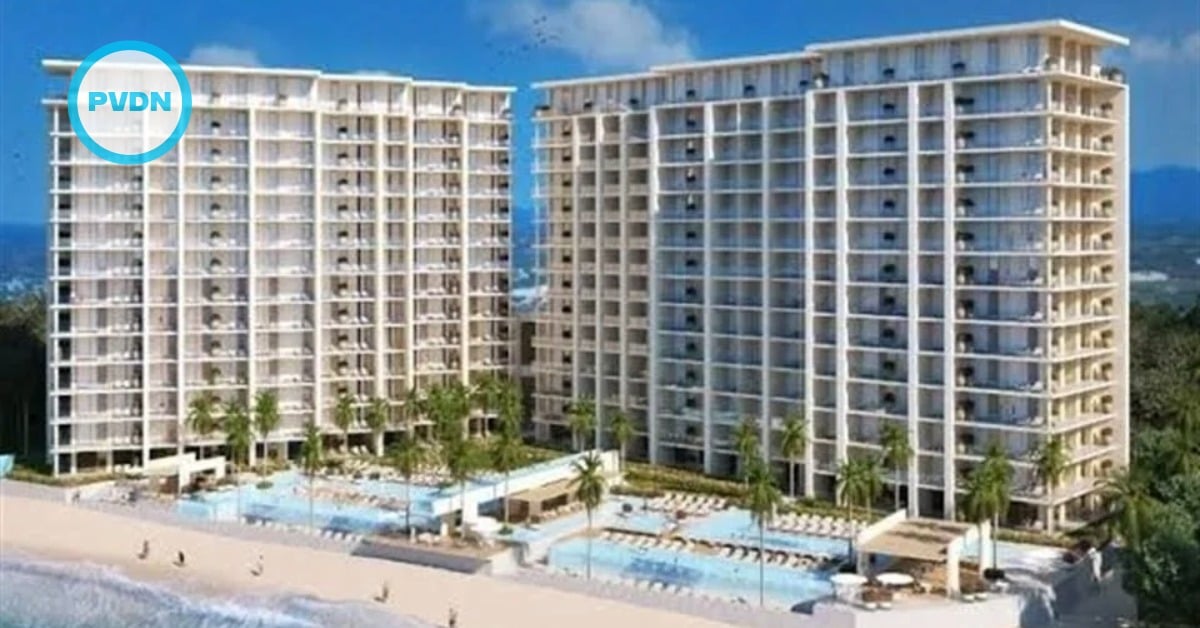
The project itself is large by any standard: six towers of 25 levels, nearly 1,000 apartments, underground parking, and commercial and recreational areas planned for an 18,000-square-meter site in the Las Glorias coastal zone of Puerto Vallarta. Those specifics—towers, unit count, size, and location—come directly from government and press accounts tied to the case.
Semarnat argues the lower court not only let Harbor 2 bypass an environmental authorization, it also twice prevented the ministry from presenting arguments—what the agency frames as a due-process violation that could set a troubling national precedent. If upheld, the decision would leave the project “without environmental authorization and without the possibility of inspection,” the agency warned, calling it a form of environmental impunity.
Harbor 2 Vallarta
At the center of the dispute is whether a beachfront mega-project can skip Mexico’s standard environmental review—known as the MIA (Manifestación de Impacto Ambiental). Under Article 28 of the General Law of Ecological Balance and Environmental Protection (LGEEPA), works in federally regulated zones—like the maritime-terrestrial zone along beaches—are subject to environmental impact evaluation and must secure authorization before breaking ground. Skipping that step isn’t a minor paperwork issue; it’s the gatekeeper for baseline studies, mitigation plans, and public transparency.
Semarnat’s pushback isn’t new. In April, the ministry publicly challenged a magistrate’s handling of the Harbor 2 case, naming due-process concerns and again stressing that the development requires environmental controls. Mexican outlets reported at the time that the sentence approved by the TFJA granted a green light without prior evaluation and blocked the ministry’s briefs. Those are the same core objections now before the appeals court.
Context matters here. The promoter cited in official documents is Inmobiliaria Parsi, a developer behind nearby “Harbor 171,” a separate beachfront complex in Las Glorias. Public records show a 2024 administrative decision regarding a Harbor 171 environmental filing, and local real estate coverage has long listed that project on the same strip. The point isn’t to conflate the two, but to note a corridor of dense, high-rise construction where federal coastal rules routinely apply.
Las Glorias isn’t just a postcard stretch of sand; it’s a living coastal system. Mexico’s own environmental agencies have documented how large tourism builds can alter dunes, stress wildlife, and reshape shorelines if not managed with care. That’s exactly what the MIA is designed to surface: cumulative and long-term impacts that glossy renderings don’t show. Profepa
What this fight could decide
The legal path now runs through the Eleventh Collegiate Court in Mexico City. If that court agrees with Semarnat, the TFJA ruling could be vacated or remanded, restoring the requirement for Harbor 2 to undergo a full environmental impact assessment. If it doesn’t, the decision could stand as a rare case in which a mega-project advances without an MIA—and, as the ministry warns, potentially beyond the reach of routine inspections. The stakes extend well past one project; they touch how specialized administrative courts interact with Mexico’s environmental law in coastal cities where development pressure is intense.
The TFJA’s specialized environmental chambers exist to adjudicate precisely these regulatory conflicts. But specialization cuts both ways: it can clarify complex rules, or—if misapplied—create carve-outs that weaken enforcement. Internal TFJA materials reflect ongoing reorganization and the existence of dedicated environmental/regulatory chambers. Regardless of internal reshuffles, the core question remains the same: do coastal projects of this scale owe the public a transparent environmental review before construction? Mexican law says yes. The current controversy is over whether a court can say otherwise.
Meanwhile, Puerto Vallarta keeps growing. Anyone who knows the Hotel Zone has watched as cranes and concrete have reshaped the skyline. Supporters of fast-tracking argue that red tape slows job and housing growth. Critics say that weak oversight shifts risks—erosion, runoff, strain on services—onto neighbors and the bay. A proper MIA doesn’t freeze projects; it frames them with conditions, monitoring, and accountability. Especially on a shore that has to serve residents, workers, and visitors long after the ribbon-cutting, that framework is not a luxury. It’s the law.
For now, Harbor 2 waits in legal limbo. The next move belongs to the Collegiate Court. However it rules, the outcome will signal—to developers, neighbors, and other resort towns—whether environmental rules at the water’s edge still have teeth when tested in court.