Puerto Vallarta airport certification is renewed again, as AFAC and GAP say safety audits passed—what it signals for travelers in 2026.
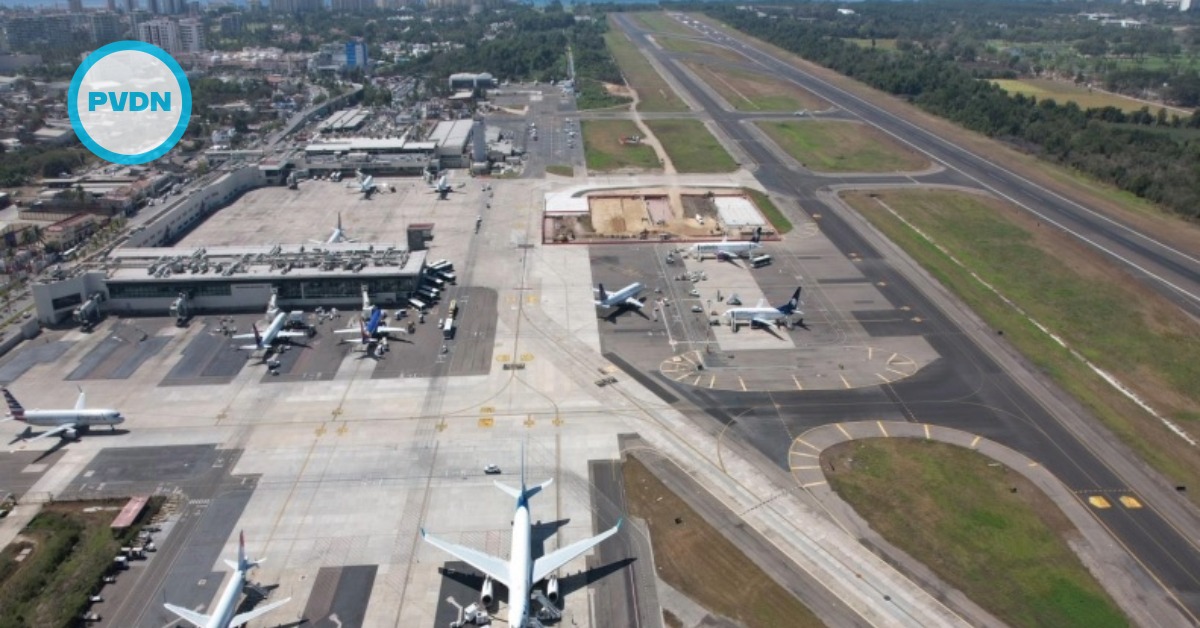
Puerto Vallarta International Airport has renewed a federal safety credential that most travelers never think about, but pilots, regulators, and airport operators live by. Mexico’s Federal Civil Aviation Agency renewed the airport’s Civil Aerodrome Certification, which confirms that facilities, equipment, and daily operating procedures meet required safety standards and align with national and international rules.
The airport’s operator, Grupo Aeroportuario del Pacífico, says the Puerto Vallarta terminal was its first airport to earn this certification and has now renewed it for the third consecutive time. The company points to its infrastructure, equipment, and operating procedures as meeting the applicable requirements for safe aircraft operations.
Puerto Vallarta’s track record matters because aerodrome certification is not just a framed document. It is built around how the airfield runs on an ordinary day, and how it responds on the worst day. GAP says Puerto Vallarta first earned the certification in 2014 and has maintained it since. The company also says it has kept tightening its risk-mitigation protocols, including in the movement area and in how it controls operational processes.
This latest renewal did not happen in isolation. GAP says the same certification was also renewed for Los Mochis airport. It adds that earlier this year the certificate was renewed for other airports it operates, including Morelia, Guanajuato, Aguascalientes, Mexicali, and Manzanillo.
Puerto Vallarta airport certification
It’s easy to read “certification renewed” and shrug. The more helpful question is what this credential is designed to prove.
Civil aerodrome certification hinges on the basics: whether an airport can safely support aircraft operations under the rules Mexico uses for civil aviation. That reaches beyond a runway surface. It speaks to documented procedures, oversight routines, and how risks are identified and managed before they become incidents.
Mexico’s aviation rules also connect aerodrome certification to formal safety management. In plain terms, that means an operator is expected to have a defined system for identifying hazards, evaluating risk, and taking steps to reduce that risk. It also means the system is not meant to be “set and forget.” Federal rules allow for ongoing oversight, and they include the possibility of suspension or revocation if conditions are not maintained.
In this renewal, the messaging from both the regulator and the operator leaned hard into collaboration and continuity. The head of the civil aviation agency, General Emilio Avendaño García, framed renewals like this as proof that authorities and airports are working together to keep the standards current. He also praised GAP for what he described as a continued commitment to improving operational safety and passenger service.
GAP’s chief executive officer, Raúl Revuelta Musalem, put the focus on strict compliance with procedures established by the aviation authority. He said the goal is for GAP airports to operate under high standards of safety, efficiency, and quality.
There’s also a broader claim GAP wants the industry to hear. The company says it became the first airport group in Mexico to certify all of its airfields in 2019. It also says it is now one of only two airport operators in Mexico that maintains this certification standard across all of its airports. If you’re reading that as a branding flex, you’re not wrong. Still, it’s also a signal of how regulators and operators are treating formal safety certification as a baseline expectation, not a special achievement.
Why officials keep mentioning 2026
The most interesting part of this renewal may be what it was paired with: the 2026 World Cup.
GAP says these certifications strengthen Mexican civil aviation safety and protocols, especially ahead of the tournament. In that context, it points to Guadalajara Airport, also operated by GAP, as a key gateway for delegations and visitors arriving for matches in the city.
That matters because Guadalajara is not a minor side story in 2026 planning. It is one of Mexico’s host cities, and FIFA has also selected Guadalajara to stage part of the World Cup’s play-off tournament in March 2026, just months before the main competition begins. That selection puts a fresh spotlight on passenger flows, on-time performance, and the less glamorous part of global events: moving large volumes of people safely and predictably through airports.
Puerto Vallarta is not listed as a World Cup host airport in that same direct way, but it sits in a region that routinely absorbs waves of leisure travel. When a regulator and an operator talk about safety certifications in the same breath as 2026, they are speaking to confidence. They want airlines, passengers, and international partners to hear a simple message: the system is being checked, the paperwork matches reality, and the oversight is active.
Revuelta Musalem summed up GAP’s stance in one line that reads like a corporate motto but also captures the point of the whole exercise. For GAP, he said, safety is not just a requirement. It is a principle guiding investment, processes, and decisions.
For travelers, the practical takeaway is quieter. You won’t feel a certification renewal while you’re in line for coffee or waiting at the gate. You feel it indirectly, in the routines that keep air operations steady: the procedures people follow, the systems they report into, and the audits that force airports to prove they are not cutting corners.
Puerto Vallarta airport certification renewal is not a dramatic story. That’s the point. In aviation, boring is often the goal.