Puerto Vallarta International Airport is gearing up for one of its most intense high seasons yet. From October through April, the airport expects 11,946 flight operations, about 15 percent more than in the same months last year. That schedule includes 7,335 international flights, a 10 percent increase, and 4,611 domestic operations, up a striking 23 percent. Together, they will put 3,388,034 seats into the market for the 2025–2026 fall-winter season, roughly 281,000 more than the previous year’s 3,107,374.
These numbers come from projections presented by airport operator Grupo Aeroportuario del Pacífico (GAP) to the Puerto Vallarta Advisory Commission and echoed in recent local coverage of the upcoming high season. They cap a stretch of steady growth at Licenciado Gustavo Díaz Ordaz International Airport, which handled 6.8 million passengers in 2024, a record for the terminal, and is on pace to surpass that figure again after reaching 5.6 million travelers through October 2025.
At the same time, the growth story in Puerto Vallarta has become more complex. The airport is busier overall, yet the mix is shifting. Domestic travelers are carrying much of the load, while foreign arrivals—especially from the United States—have softened over the past year.
Puerto Vallarta flights surge for high season
Seasonal scheduling shows just how aggressive this winter’s plan is. GAP’s projections call for gains in every month of the October–April period compared with the previous season. October’s flights within the defined high-season window climb from 280 to 363. November moves from 1,961 to 2,205 operations. December, traditionally the peak month, jumps from 2,033 to 2,550 flights. January rises from 2,056 to 2,333, February from 1,869 to 2,148, March from 1,693 to 1,976, and April’s share of the season from 291 to 371 operations.
In simple terms, that means more departures almost every day, and especially around Christmas and New Year’s, when Mexican families and expats based in other parts of the country flood the bay for holidays. December’s extra flights are primarily aimed at the domestic market, which has outpaced international demand throughout 2024 and 2025.
That local trend mirrors what is happening across Mexico. Federal data show domestic and international air passengers combined grew roughly 2 percent in the first half of 2024 compared with 2023, even as some beach destinations saw mixed results by market. And tourism authorities estimate Mexico welcomed more than 86 million international visitors in 2024, a double-digit increase that underscored the country’s broad appeal despite pockets of volatility.
Puerto Vallarta, though, has moved slightly against that tide. According to one recent analysis, the airport handled 3.4 million passengers in the first five months of 2025, a 2.1 percent year-on-year increase, but domestic traffic surged 14.4 percent while international arrivals dipped. That pattern aligns with GAP’s longer-term data and local reports that the city has logged a year of decline in international tourism, even as total airport traffic keeps rising thanks to Mexican travelers.
For airlines and hoteliers, this winter’s plan is a bet that they can keep filling planes with that shifting mix. GAP and local tourism officials say the airport will operate 54 routes and more than 1,000 weekly flights this season, consolidating Puerto Vallarta’s status as one of the most connected beach hubs in the country.
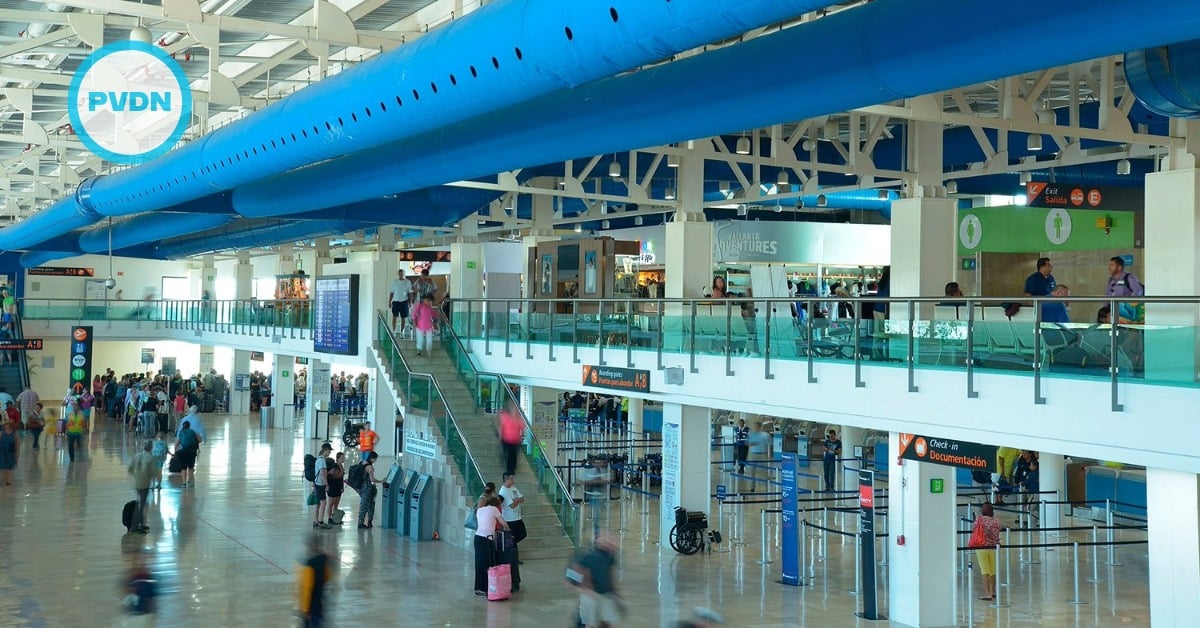
Behind the scenes, the winter surge is also a stress test for the airport’s ongoing expansion. GAP is finishing a brand-new Terminal 2, designed to double capacity with a larger, more efficient building that uses solar panels and water-saving systems and is expected to be fully operational in 2026. When that terminal comes online, the airport’s theoretical capacity will climb to more than eight million passengers a year, giving operators more room to spread out flights and reduce the bottlenecks that have frustrated travelers in recent years.
What more Puerto Vallarta flights mean for locals
For people who live and work around the bay, the extra flights are a mixed blessing. On one hand, more seats usually mean more jobs: taxi and app-based drivers, hotel staff, restaurant workers, tour guides, and airport contractors all depend on steady traffic. In neighborhoods from Marina Vallarta to the city’s east side, a strong winter season can make the difference between a comfortable year and a lean one.
On the other hand, the airport’s growth brings real challenges. Residents already know what it feels like when several international arrivals land within minutes of each other: long immigration lines, packed arrival halls, traffic jams on the boulevard, and delays that ripple into shift work and school pick-ups. Local business owners often welcome the economic boost but worry about whether infrastructure—from roads to public transport—can keep up. The rollout of Terminal 2 will help, but it will not solve everything overnight.
There is also the question of who is on these planes. Research from the Sustainable Tourism Advanced Research Center (STARC) at Anáhuac University found a 5.5 percent drop in U.S. air visitors to Mexico’s major beach destinations, including Puerto Vallarta, in the first half of 2025, along with a 5.1 percent decline in international passenger traffic to those gateways. Combined with local data on months of falling foreign arrivals, that suggests the airport’s winter boom will lean more on Mexican travelers and Canadians. At the same time, the once-dominant U.S. market remains softer.
National aviation politics add another layer of uncertainty. A recent dispute between Mexican authorities and U.S. regulators over market access has already frozen some planned route growth and raised questions about how quickly airlines will be able to expand capacity in the coming years. Puerto Vallarta has so far avoided the worst effects, but the standoff is a reminder that local planning depends on decisions made far from the bay.
For now, though, the story is simple: Puerto Vallarta flights are going up, even as the city sits at a crossroads. If the winter season fills those 3.3 million seats without overwhelming local services, it could set the tone for a smoother transition into the Terminal 2 era and a more balanced tourism model. If congestion or market shocks hit hard, it will be a warning that infrastructure and policy need to catch up to the airport’s ambitions.
Either way, from the moment the first snowbird flights taxi in and the holiday charters queue on the runway, this high season will be a live test of how much growth Puerto Vallarta can handle—and who benefits most when the planes keep coming.