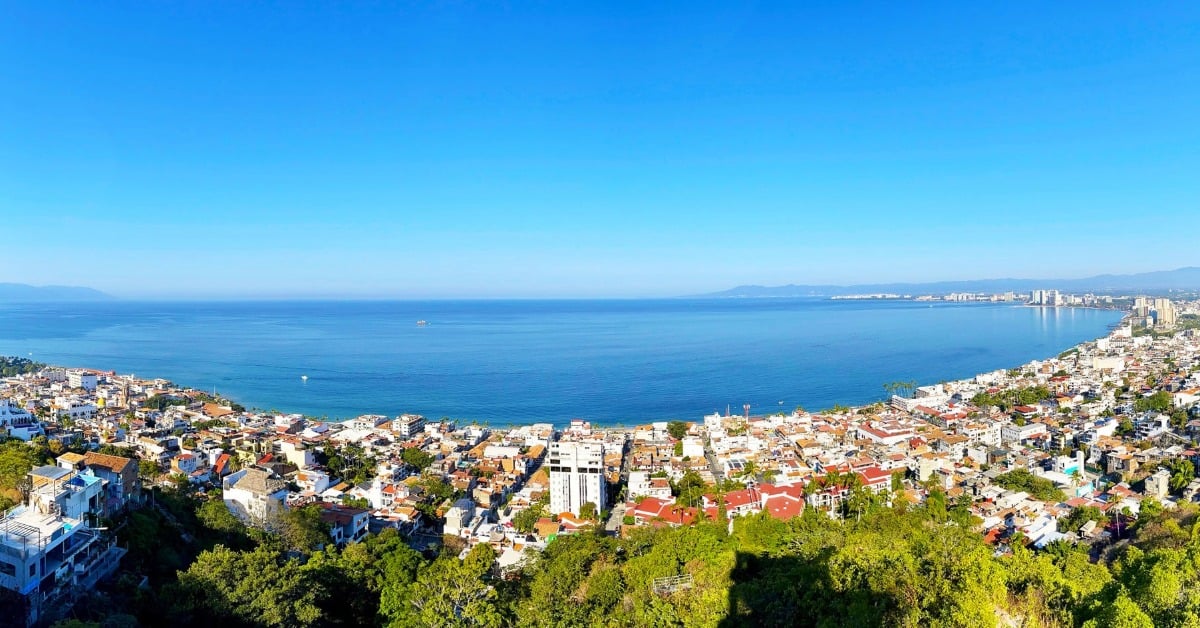
Puerto Vallarta remains one of Mexico’s most active coastal real estate markets for foreign buyers, but the legal path to ownership is not always as simple as it appears. A new analysis of restricted-zone property rules warns that the biggest problem is often not buying, but buying through the wrong structure. For retirees, second-home buyers, and investors, that mistake can show up later through taxes, rental income, inheritance issues, or resale delays.
Foreign buyers looking at Puerto Vallarta real estate are being warned that the biggest risk in Mexico’s coastal property market may not be whether they can buy, but whether the purchase is structured correctly from the start.
Mexico allows foreigners to participate in coastal real estate markets, including Puerto Vallarta and Riviera Nayarit. But because these areas fall inside the country’s restricted zone, foreign buyers cannot hold direct title to residential property in the same way a Mexican citizen can.
That does not mean foreigners are blocked from buying homes, condos, or vacation properties. It means the purchase usually must be handled through a legal structure that fits the property’s use. For most residential buyers, that structure is a fideicomiso, or bank trust.
The issue is drawing renewed attention as international demand continues in coastal markets. Puerto Vallarta has seen years of strong foreign interest in condos, vacation homes, and rental properties. That makes legal structure more than a closing detail. It can affect taxes, rental activity, inheritance planning, and future resale.
Puerto Vallarta buyers face a structure question before they buy
Puerto Vallarta sits along Mexico’s Pacific coast, which places it within the restricted zone established under Mexican law. The restricted zone covers land within 50 kilometers of the coast and 100 kilometers of international borders.
For a foreign buyer purchasing a residential condo in areas such as Emiliano Zapata, Versalles, Marina Vallarta, Conchas Chinas, Fluvial, or nearby Riviera Nayarit, the typical legal route is a bank trust. In that arrangement, a Mexican bank holds title as trustee. The foreign buyer is the beneficiary.
The beneficiary can use the property, sell it, rent it, remodel it, and name substitute beneficiaries. In practice, many foreign owners use these trusts without problems. The concern is when buyers treat the trust as a formality and do not review the details.
The trust must align with the property’s actual purpose. A second home, retirement home, or vacation condo normally fits the residential fideicomiso model. A hotel, mixed-use project, commercial rental operation, or development project may require a different structure.
That distinction can matter in Puerto Vallarta, where many properties blur the line between personal use and investment. A buyer may call a condo a second home, while also planning heavy short-term rental use. A developer may market units as lifestyle properties, while the building operates like a tourism business.
The fideicomiso does not erase every risk
A fideicomiso is often described as the solution for foreigners buying coastal property in Mexico. That is true in a general sense, but it can create a false sense of security.
The trust solves one legal problem. It allows a foreigner to use and benefit from residential property in the restricted zone. It does not automatically solve every tax, regulatory, or resale issue tied to the property.
Buyers still need to understand closing costs, bank fees, local property taxes, rental tax obligations, HOA rules, building permits, and the status of the title. They also need to know whether the property can be sold cleanly later.
For Puerto Vallarta buyers, this is especially important in the condo market. A resale can become more complicated if trust documents are incomplete, beneficiaries are outdated, fees are unpaid, or the property’s use does not match the structure on paper.
The same issue can appear when an owner dies. A trust can name substitute beneficiaries, but those details must be set up correctly. If they are ignored, heirs may face more paperwork, delays, or legal costs.
Mexican companies are not a shortcut for every buyer
Some foreign investors use a Mexican company to buy property in the restricted zone. This can be legal when the property is used for non-residential purposes. Examples may include commercial, industrial, tourism, service, or development uses.
That structure is not meant to replace a residential fideicomiso for every foreign buyer. A foreign buyer buying a personal condo in Puerto Vallarta should not assume that placing the property into a company is automatically better.
The wrong structure can create tax and compliance problems. A company may bring corporate filings, accounting duties, and reporting obligations. It may also affect how income is taxed and how the property is later transferred or sold.
For small investors, this can be where the hidden cost appears. A buyer may accept a structure because it seems faster or cheaper at closing. Years later, the same structure may complicate a sale, refinancing, rental reporting, or estate planning.
Rentals add another layer in Vallarta’s condo market
Puerto Vallarta’s rental market makes the issue more important. Many foreign buyers purchase with mixed intentions. They want a home for part of the year and rental income when they are away.
That plan can work, but it should be addressed before closing. A property that generates income may incur tax obligations in Mexico. It may also need to comply with building rules, local requirements, and platform-related reporting.
An HOA may restrict short-term rentals even when the broader market allows them. A building may also have guest rules, registration rules, or limits on commercial activity. These restrictions can reduce the value of a rental-focused purchase.
For buyers, the key question is not only whether the property can be purchased. It is whether the legal structure, building rules, and tax plan all match the intended use.
The resale problem often appears too late
Many real estate mistakes stay hidden until the owner tries to sell. A buyer may live in a condo for years without noticing a defect in the trust, title, or property file.
When the property goes back on the market, those issues can slow or derail the transaction. A buyer’s notary may ask for corrections. A bank trustee may require updated documents. A tax question may need to be resolved before closing.
In Puerto Vallarta, where many transactions involve foreign buyers and sellers, delays can be costly. Exchange rates, travel schedules, financing deadlines, and buyer confidence can all affect the closing timeline.
A clean structure can help protect resale value. It gives future buyers more confidence and reduces the chance of last-minute legal surprises.
Buyers should treat the notary as a safeguard, not a personal lawyer
In Mexico, real estate closings are formalized before a notario público. The notary plays a central legal role and helps ensure that the transaction is properly recorded.
Even so, foreign buyers should not confuse the notary’s role with independent legal advice. The notary is not the buyer’s personal attorney. Buyers with limited Spanish proficiency, unfamiliarity with Mexican law, or plans to rent the property should consider engaging independent counsel.
A basic review should include title status, trust terms, beneficiary language, taxes, HOA documents, permits, construction status, and any restrictions on use. For pre-construction purchases, the review should also cover delivery terms, penalties, escrow terms, and developer obligations.
This is not about making the process harder. It is about making sure the purchase still works after the closing papers are signed.
The main lesson for foreign buyers
Puerto Vallarta remains open to foreign buyers, and the fideicomiso system is widely used in coastal Mexico. The warning is more practical than alarming.
Foreign buyers should not assume that every structure is interchangeable. A residential condo, a rental-heavy unit, a mixed-use project, and a commercial investment can each raise different legal and tax questions.
The safest approach is to match the structure to the property’s actual use. That decision should be made before the buyer signs, wires funds, or accepts the developer’s default paperwork.
For retirees and second-home buyers, the point is simple: ownership in Puerto Vallarta can be secure, but the paperwork matters. A poorly structured purchase can turn a lifestyle decision into a long-term administrative problem.